
EA House by Bokey Grant Tests Emotional Responses on a Precarious Cliff Edge Site
Australian firm Bokey Grant has completed EA House, a family home carefully crafted onto a sensitive rock cliff escarpment in the Southern Highlands. The project transforms a previously unbuildable leftover parcel of land into a simple elemental gesture that solves overlapping site constraints.
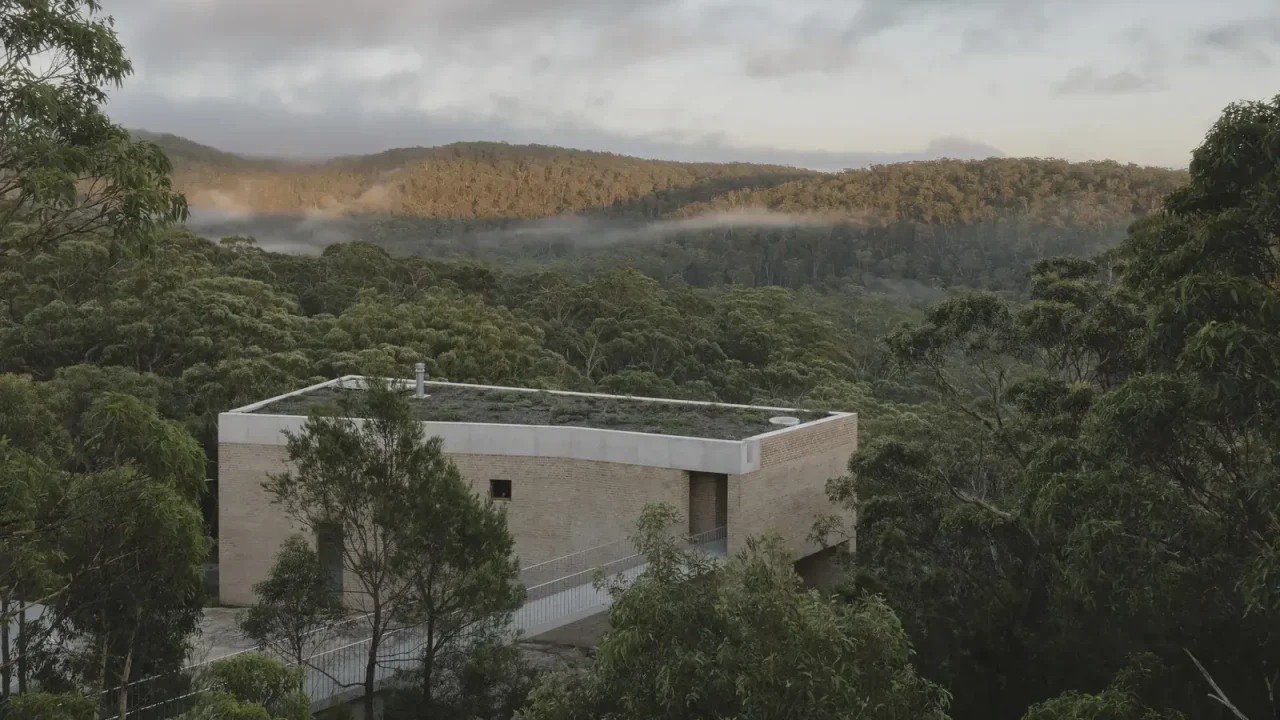
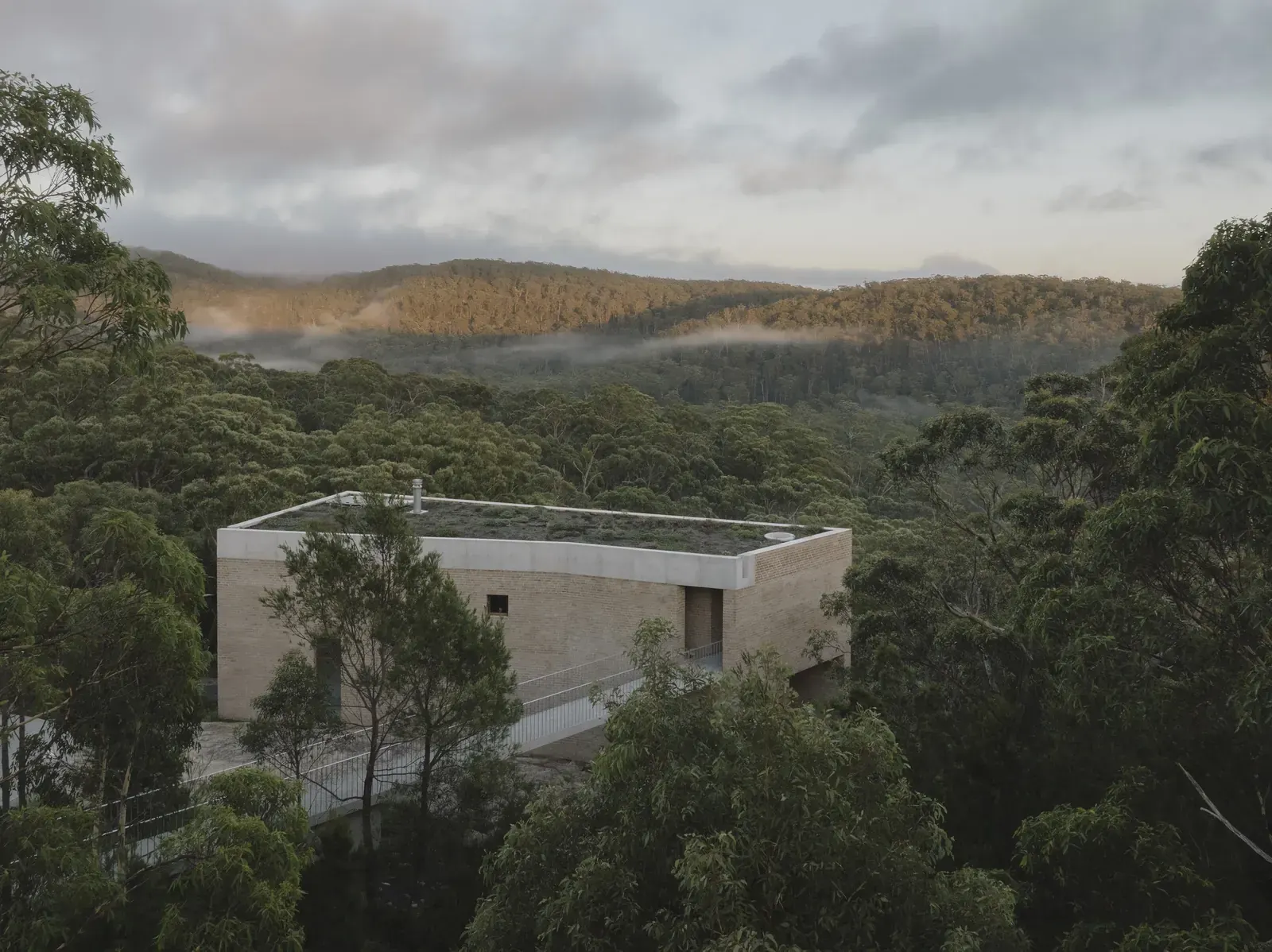
Bokey Grant has completed EA House, a family home built on a sensitive rock cliff escarpment in the Southern Highlands of Australia. The project, described by the practice as an experimental house, addresses a site that was originally deemed unbuildable and had remained empty for years.
The house is a simple elemental gesture, testing emotional responses on a difficult and unique site. The architects have solved multiple overlapping constraints and challenges that exist because of the cliff edge location.
Key facts
| Item | Detail |
|——|——–|
| Project name | EA House |
| Architecture firm | Bokey Grant |
| Location | Southern Highlands, Australia |
| Site context | Rock cliff escarpment, previously deemed unbuildable |
| Key materials | Wood, concrete |
A leftover parcel of land
The site for EA House was a leftover parcel of land from a suburb that was planned before the existence of a giant cliff and gorge was fully understood. Because of this, the site was considered unbuildable and has been empty ever since.
Bokey Grant saw potential in this challenging location. The design team approached the project as an experimental house, simple in form but capable of solving the many constraints imposed by the cliff edge.
The architects tested how a simple elemental gesture could create an emotional response to the landscape, turning a perceived disadvantage into a defining feature of the home.
Simple form, complex constraints
The house is described as simple in form, yet it resolves a complex set of overlapping constraints. The sensitive rock cliff face escarpment required careful placement and minimal disturbance to the existing geology.
The architects used a combination of wood and concrete, materials that are both durable and capable of blending with the natural surroundings. The design responds to the topography, creating a dialogue between the built form and the cliff edge.
The experimental nature of the project lies in its ability to test how inhabitants interact with the landscape, with the house serving as a mediator between the family and the dramatic site.
Emotional response to landscape
Bokey Grant has focused on testing emotional responses on this difficult site. The house is not just a shelter but an experience, designed to provoke a reaction to the landscape.
The architects have created a home that engages with the cliff edge, offering views of the gorge while maintaining a sense of security. The elemental gesture of the design is meant to be read clearly, without unnecessary complexity.
For the site’s core readers, this project demonstrates how experimental residential architecture can reclaim sites that are typically overlooked. It shows that even difficult parcels of land can become family homes through careful design and material choices.
Relevance for architecture professionals
For architects and designers following the Projects section of Paionia7, EA House offers a case study in site-responsive design. The project shows how to approach a site with severe constraints, including geology, slope, and access.
The use of wood and concrete as primary materials is notable, as both are commonly specified in Australian residential architecture but here are used to solve structural and aesthetic challenges simultaneously.
The house also raises questions about the definition of buildable land and how architects can advocate for sites that others dismiss. It is a reminder that leftover urban spaces can still become meaningful homes.
Source: ArchDaily – EA House / Bokey Grant (https://www.archdaily.com/1182004/ea-house-bokey-grant)
Datos clave
| Punto | Detalle |
|---|---|
| Fuente | ArchDaily |
| Fecha | 2026-08-01T21:00:00+00:00 |
| Tema | EA House / Bokey Grant |
Source
ArchDaily Original publication: 2026-08-01T21:00:00+00:00
Related news

Handwoven Teak and Cord Outdoor Seating Debuts from Masaya and Abril Zepeda
Nicaraguan furniture brand Masaya has introduced two new handcrafted outdoor chairs — a rocking chair and a lounge chair — designed by…
Read more
Place in Mind: Hendricks Churchill Launches Hospitality Group to Revive Historic Properties
The architecture and interior design studio Hendricks Churchill has launched Place in Mind, a new hospitality group focused on acquiring, restoring, and…
Read more
Adalberto Dias Architects Complete Restoration of Lisbon’s Patriarchal Cathedral and Archaeological Center
The restoration of the Sé de Lisboa by Adalberto Dias Arquitecto integrates a new archaeological center, preserved cloisters, and seven centuries of…
Read more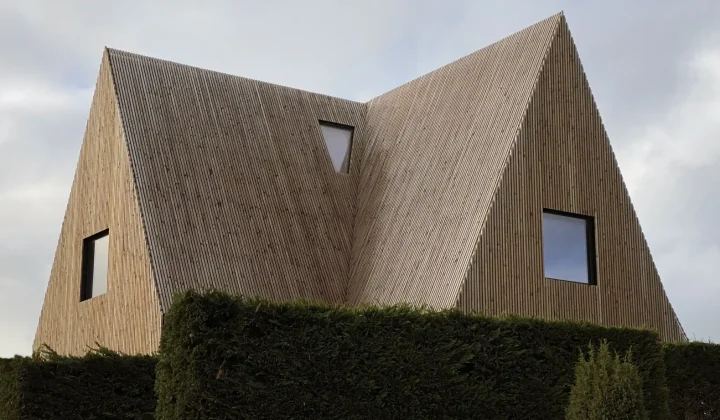
Vantieghem Talebi’s ‘House of Cards’ Brings Timber Geometry to Belgian Family Home
A new family house in Belgium by US- and Swiss-based practice Vantieghem Talebi uses a steeply pitched, card-house-inspired form clad in Douglas-fir…
Read moreRelated wiki

Adaptive Reuse in Architecture
Reference page for reuse, retrofit, conversion, embodied carbon and design constraints.
Read more