
FlexiSpot Reimagines Bed Frame Design with Traditional Japanese Joinery
FlexiSpot introduces a minimalist wooden bed frame that draws inspiration from traditional Japanese woodworking techniques, emphasizing screw-free construction and structural stability.
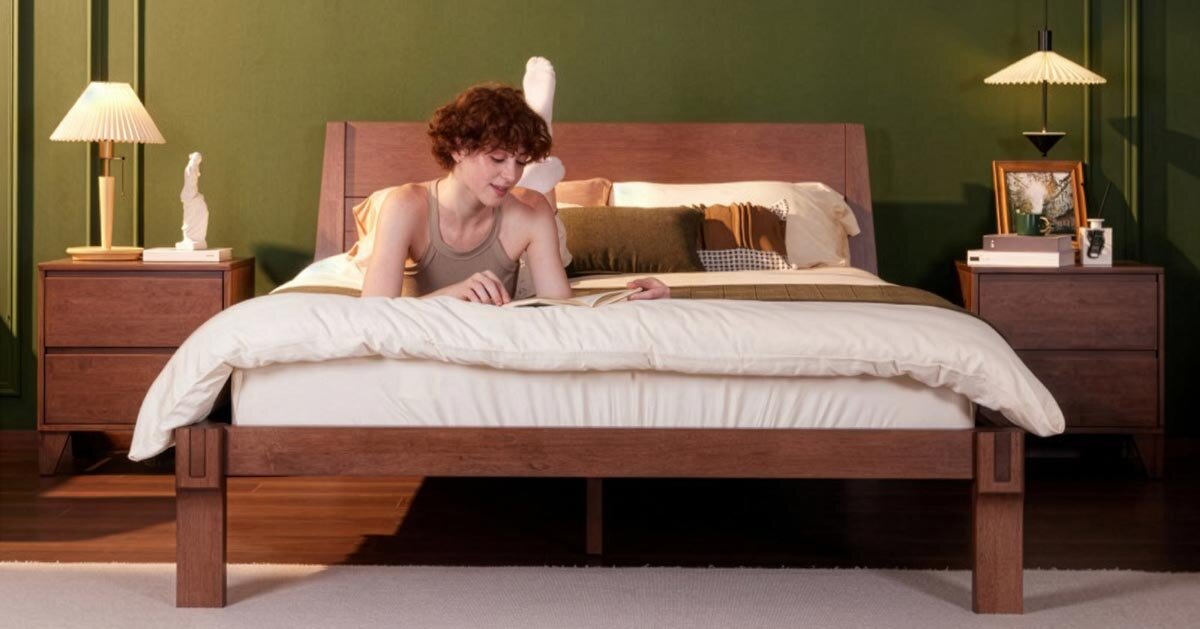
FlexiSpot, a company known for its ergonomic furniture solutions, has launched a new bed frame that diverges from conventional furniture assembly by embracing traditional Japanese joinery. This innovative design eschews screws and visible metal hardware, opting instead for interlocking wooden components that promote structural integrity and a clean, minimalist aesthetic. The approach aims to create a quieter sleeping environment and a visually seamless piece of furniture, aligning with contemporary trends towards understated luxury and visible craftsmanship in interior design.
Traditional joinery techniques, deeply rooted in Japanese woodworking, offer a method of construction that relies on the precise fitting of wood pieces to create strong, durable structures without the need for external fasteners. This method not only enhances the visual appeal by maintaining uninterrupted wood surfaces but also contributes to the longevity and stability of the furniture. FlexiSpot’s adoption of this technique signals a broader interest within the design industry for methods that highlight material honesty and artisanal skill.
Key facts
Name: FlexiSpot Japanese Bed Frame
Brand: FlexiSpot
Design Inspiration: Traditional Japanese joinery
Construction: Screw-free, interlocking wooden components
Material: Rubberwood
Available finishes: Walnut, Oak
A Quiet Structure for Modern Bedrooms
One of the primary benefits highlighted by FlexiSpot’s design is the reduction of noise. Traditional bed frames can often creak and shift over time due to the loosening of screws or friction between metal parts. By employing a joinery system, FlexiSpot minimizes these potential points of friction. Furthermore, the inclusion of strategically placed Velcro elements within the structure is designed to further dampen movement and prevent noise, creating a more serene bedroom environment. This focus on a quiet structural system echoes the design philosophy of other minimalist bed frame brands, such as Thuma, which also prioritizes acoustic comfort.
The visual language of the FlexiSpot frame is characterized by its restrained geometry. The bed features a low-profile silhouette, with recessed legs that allow the frame to sit closer to walls and adjacent furniture. This design choice is particularly beneficial for smaller bedrooms, as it creates a more cohesive and less cluttered spatial impression. The continuous underbed opening offers a practical solution for storage while maintaining the frame’s visual lightness and an uncluttered look.
Functional Adaptability
Beyond its structural and aesthetic qualities, the FlexiSpot Japanese Bed Frame also incorporates functional adaptability through an adjustable headboard. Unlike fixed headboards commonly found on platform beds, this feature allows users to modify the headboard’s position to suit different activities, such as reading or working in bed, without compromising the overall minimalist design. This blend of form and function aims to enhance the user experience and the practicality of the bed frame in everyday life.
The frame’s elevated platform height and increased underbed clearance are also designed with utility in mind, providing ample space for storage solutions without altering the bed’s visual proportions. This thoughtful approach to space management makes the bed frame a practical choice for contemporary living, where maximizing functionality within limited areas is often a priority.
Materiality and Finishes
Constructed from rubberwood, a durable hardwood commonly used in contemporary furniture manufacturing, the FlexiSpot frame is built for longevity. The material choice aligns with a growing demand for furniture made from sustainable and resilient materials. The available finishes, Walnut and Oak, are neutral wood tones that complement minimalist and modern interior palettes. These finishes enhance the natural beauty of the wood and the joinery details, reinforcing the bed’s understated elegance.
The design positions itself within the broader conversation around minimalist bedroom furniture, where clean lines, natural materials, and quiet functionality are highly valued. By reinterpreting traditional Japanese joinery for a modern context, FlexiSpot offers a design that is both aesthetically pleasing and structurally sound, appealing to consumers seeking furniture that combines history with contemporary living needs. The emphasis on a screw-free design not only contributes to a cleaner look but also simplifies the assembly process, making it more accessible for consumers.
The development of furniture that integrates traditional techniques with modern manufacturing and design sensibilities offers a compelling direction for the industry. It speaks to a consumer base that appreciates craftsmanship, durability, and a connection to historical methods, while also demanding the convenience and aesthetic purity of contemporary design. For architects and interior designers, this signifies an increasing availability of furniture pieces that can fulfill both functional and stylistic requirements in minimalist and Japandi-inspired interiors.
Source: designboom – https://www.designboom.com/readers/flexispot-traditional-japanese-joinery-minimalist-wooden-bed-frame/
Key facts
- Source: Designboom
- Date: 2026-05-24T20:00:54+00:00
- Topic: flexispot reinterprets traditional japanese joinery in a minimalist wooden bed frame
Source
Designboom Original publication: 2026-05-24T20:00:54+00:00
Related news

MIV Architects Proposes Wetland Pavilion That Prioritizes Non-Human Habitats Over Human Comfort
The Spanish firm’s “Nidos de Agua” concept for the Albufera natural park in Valencia aims to rebalance the relationship between building and…
Read more
Nelson Byrd Woltz Begins Construction on Restorative Eagle Courtyard at Walter Reed Medical Center
Construction has started on a redesigned Eagle Courtyard at Walter Reed National Military Medical Center, led by Nelson Byrd Woltz Landscape Architects.…
Read more
London’s listening bar boom reflects a deeper shift in hospitality design and music culture
A wave of Japanese-inspired listening bars is reshaping London’s nightlife, but owners and critics are asking whether the concept can survive commercial…
Read more
Performing Colonial Toxicity Exhibition in Valencia Examines Architecture’s Role in Nuclear Colonialism
From 24 October to 1 November 2026, Aguas Internacionales in Valencia hosts Samia Henni’s exhibition on French nuclear testing in the Algerian…
Read moreRelated wiki

Adaptive Reuse in Architecture
Reference page for reuse, retrofit, conversion, embodied carbon and design constraints.
Read more