Manifesta 16 Turns Twelve Ruhr Churches into Art Venues for “This Is Not a Church”
The European Nomadic Biennial activates twelve churches across Essen, Gelsenkirchen, Duisburg, and Bochum with contemporary art, performances, and architectural interventions, exploring new uses for sacred spaces.
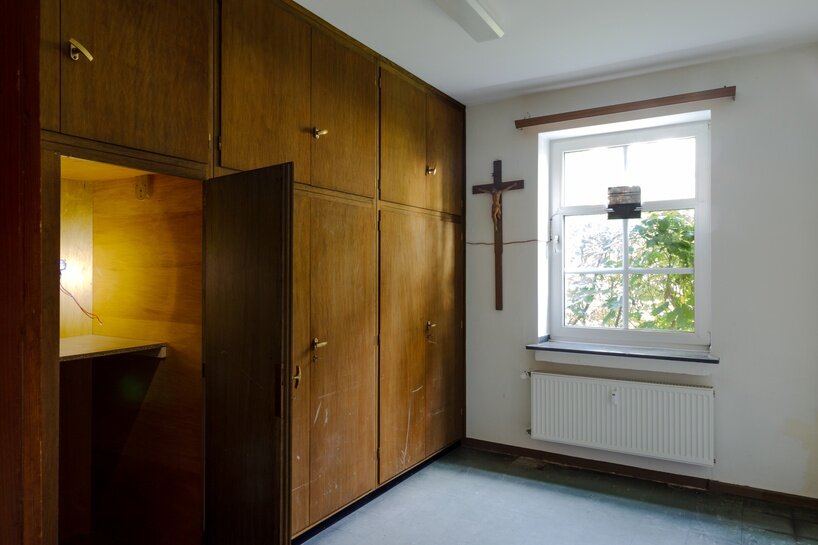
The 16th edition of Manifesta, the European Nomadic Biennial, has taken over twelve churches across four cities in Germany’s Ruhr region. Running from June 21 to October 4, 2026, the event titled “This Is Not a Church” transforms religious spaces in Essen, Gelsenkirchen, Duisburg, and Bochum into hybrid exhibition and community venues. The program includes contemporary art installations, performances, architectural interventions, and guided bike tours that connect the sites.
The Ruhr region’s selection as host reflects its industrial history and ongoing urban transformation. The area’s network of churches, many of which have fallen out of regular use, provides a tangible case study in adaptive reuse. Manifesta 16 uses these buildings to ask how sacred spaces can serve contemporary communities while preserving their architectural and social heritage.
Key facts
| Detail | Information |
| — | — |
| Event name | Manifesta 16, “This Is Not a Church” |
| Dates | June 21 – October 4, 2026 |
| Locations | Essen, Gelsenkirchen, Duisburg, Bochum (Germany) |
| Number of venues | 12 churches |
| Creative mediators | Anda Rottenberg, Krzysztof Kosciuczuk, Josep Bohigas, Gürsoy Doğtaş, René Block, Henry Meyric Hughes, Leonie Herweg, Michael Kurtz |
History of the “slipper churches”
Each of the twelve participating churches opens with a historical note explaining its origin. Bochum’s Gethsemane-Kirche, designed by architect Otto Bartning for Protestant congregations after World War II, exemplifies the postwar approach to church building. The structure is modest, accessed via a small path through a dense garden, and was built close to its parish. This proximity earned such buildings the nickname “pantoffelkirchen,” or slipper churches, meaning worshippers could reach them in their slippers.
Gethsemane-Kirche remains an active place of worship. Creative mediators Anda Rottenberg and Krzysztof Kosciuczuk, two of Manifesta 16’s eight curatorial organizers, designed interventions that reflect the active community around the church. Marina Naprushkina’s inflatable bell-shaped bouncy house sits on the front lawn. The bell form references the advertising symbol of the Bochumer Verein company, which produced rail wheels in the area. The work invites public interaction while opening dialogue about labor history in the region.
Inside, Mehtap Baydu’s performance piece “Anali Kazli – With Mothers with Daughters” works with eleven women from the city to cook meals for a large audience. The piece reflects on patterns in the Turkish language of naming food after women and body parts, using food and language as entry points for community discussion.
St. Marien: a decaying structure reimagined
North of Essen, St. Marien stands in contrast to Gethsemane-Kirche. The towering brick building, now deconsecrated and in disrepair, sits behind a park. Sections of the roof are missing, and parts of the stained-glass windows have broken off. Works by Alicja Kwade, SUPERFLEX, Jason Dodge, and others fill the unused space.
William Engelen’s “Variation on Godspeed in 4/4” (2026) consists of tubes hanging down into the nave, recalling the form of a church organ. Abbas Zahedi’s “Ouranophobia 47051” (2026), located in Duisburg’s Kulturkirche Liebfrauen, offers another interpretation of the instrument. These works directly respond to the architectural and acoustic qualities of their settings.
Bike tours and urban connections
Getting between the twelve churches requires traveling across the Ruhr region. The Manifesta Guide recommends biking along the Erzbahntrasse, a former freight line converted into a bike path. The route exemplifies the region’s infrastructural evolution and offers views of the Rhine-Herne Canal. Traveling by bike reveals the dense foliage that touches many parts of the Ruhr, while public transport exposes the shifting face of western Germany.
Each site visit offers a different view of the region, which has long been on the precipice of change while holding onto relics of its industrial past. By bringing these religious spaces into view, Manifesta 16 reveals the history of the Ruhr through art, participation, and community engagement.
Why this matters for architecture and design readers
The adaptive reuse of religious buildings is a growing concern across Europe, where declining congregations and changing demographics leave many churches underused or abandoned. Manifesta 16 provides a real-time case study in how contemporary art and architectural interventions can activate these spaces without erasing their original character. The event demonstrates that sacred architecture can accommodate new programs—community kitchens, inflatable sculptures, sound installations—while remaining legible as a place of worship or memory.
For architects, urban planners, and preservationists, the Ruhr churches offer lessons in balancing conservation with reinvention. The project also highlights the role of cultural institutions in shaping public conversation about the future of the built environment.
Source: Designboom – manifesta 16 and the past, present, and future of ruhr’s churches (https://www.designboom.com/art/manifesta-16-past-present-future-ruhr-churches/)
Datos clave
| Punto | Detalle |
|---|---|
| Fuente | Designboom |
| Fecha | 2026-08-30T20:35:29+00:00 |
| Tema | manifesta 16 and the past, present, and future of ruhr’s churches |
Source
Designboom Original publication: 2026-08-30T20:35:29+00:00
Related news
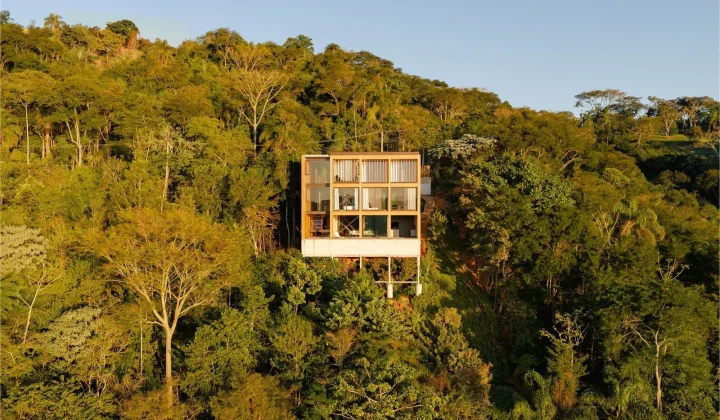
Rouxinol House Balances Steep Slope and Forest Preservation in Brazil’s Paraíba Valley
Sergio Sampaio Archi + Tectônica complete a house in Jacareí, São Paulo, that navigates a 50-meter slope and 300 surveyed trees to…
Read more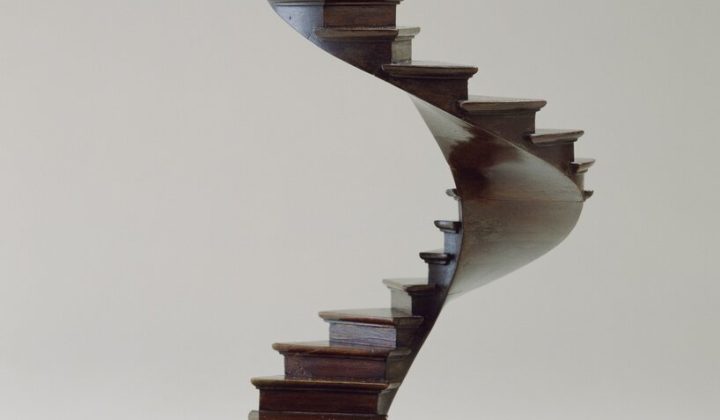
Cooper Hewitt’s Miniature Staircase Masterpieces Reveal Lost Craft and Guild Tradition
A 2006 exhibition of miniature model staircases at Cooper Hewitt, gifted by Eugene and Clare Thaw, showcases the forgotten craft of guild…
Read more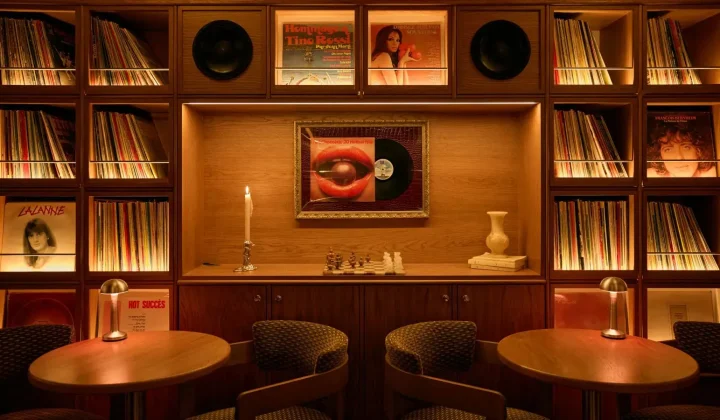
Brasserie Olivia brings French brasserie design to Sloane Square with B3 Designers and Pierre Frey interiors
The first London outpost of La Nouvelle Garde opens in the former David Mellor showroom, blending Gallic charm with contemporary touches from…
Read more
Yayoi Kusama, Visionary Artist of Polka Dots and Infinity, Dies at 97
The Japanese artist known worldwide for her polka dots, pumpkins, and immersive Infinity Mirror Rooms has died in Tokyo at 97. Her…
Read moreRelated wiki
Adaptive Reuse in Architecture
Reference page for reuse, retrofit, conversion, embodied carbon and design constraints.
Read more