
The Architectural Evolution of Entertainment Venues
From historic theaters to modern casinos, entertainment venues have always pushed the boundaries of architectural design. This sponsored content explores how these spaces are crafted to captivate and engage.
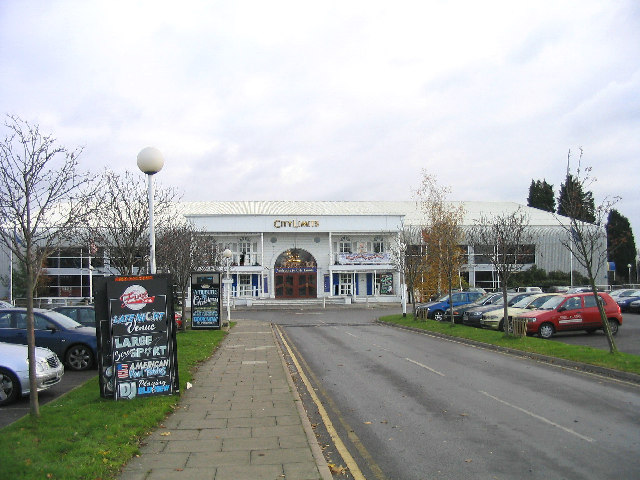
The spaces we choose for entertainment are more than just buildings; they are meticulously designed environments crafted to evoke specific emotions, foster community, and create unforgettable experiences. From the opulent opera houses of yesteryear to the sleek, technologically advanced casinos and online platforms of today, the architecture of entertainment venues has undergone a fascinating evolution. This sponsored content dives into how these spaces are conceived and constructed to captivate their audiences.
The Grandeur of Historic Entertainment Architecture
For centuries, entertainment venues were often monumental structures, reflecting the cultural and social values of their time. The Greek amphitheater, for instance, showcased a profound understanding of acoustics and audience sightlines, using natural topography to its advantage. Roman circuses and coliseums were engineering marvels, designed for mass spectacles and often featuring retractable awnings and complex stage machinery.
The Renaissance and Baroque periods brought forth the proscenium arch theater, emphasizing elaborate stagecraft and a clear separation between performers and audience. Think of the grand opera houses of Vienna or Paris, with their gilded interiors, velvet seats, and intricate frescoes. These buildings were not just venues; they were statements of wealth, power, and cultural sophistication, designed to immerse patrons in a world of fantasy and drama. Their architectural language often borrowed from classical motifs, instilling a sense of timeless elegance and awe.
Modern Entertainment Complexes and Urban Integration
As societies industrialized and urbanized, entertainment venues began to diversify. Music halls, cinemas, and later, purpose-built stadiums emerged, each with its own architectural language. The Art Deco period, for example, gave us some of the most iconic cinema palaces, characterized by their geometric patterns, lavish materials, and often dramatic lighting schemes designed to enhance the sense of escapism.
Today, large-scale entertainment complexes are often integrated into broader urban planning strategies. They can serve as anchors for revitalization projects, drawing visitors and economic activity to specific districts. Architects designing these spaces face the challenge of creating structures that are not only functional and aesthetically pleasing but also sustainable and responsive to their urban context. This often involves incorporating mixed-use developments, public plazas, and transportation hubs directly into the design.
The Architecture of Modern Casinos: Blending Luxury and Technology
Modern casinos represent a unique intersection of architectural design, psychology, and technological innovation. Unlike traditional theaters, casinos are designed to encourage prolonged engagement and a sense of continuous excitement. This is achieved through a combination of strategic layout, lighting, sound design, and luxurious materials. The absence of natural light, often a deliberate choice, helps to disorient visitors from the passage of time, while “maze-like” layouts encourage exploration and discovery.
Interiors are often opulent, featuring high ceilings, intricate chandeliers, and reflective surfaces that create a dazzling and immersive atmosphere. The use of vibrant colors, dynamic signage, and carefully curated art installations further enhances the sensory experience. Technology plays a crucial role, not just in the gaming machines themselves, but in the overall environment – from advanced climate control to sophisticated security systems and interactive digital displays that guide and entertain patrons.
Even as physical casinos continue to evolve, the concept of immersive entertainment extends to the digital realm. Online platforms, such as Royal Game, translate the excitement of a casino into a virtual environment. While lacking a physical architectural presence, these platforms employ user interface (UI) and user experience (UX) design principles to create an engaging and accessible space for their users, mirroring the psychological principles used in physical venues to maintain interest and provide a seamless experience.
Key Design Considerations for Entertainment Venues
Designing a successful entertainment venue involves balancing numerous factors, from aesthetic appeal to operational efficiency and audience comfort. Here’s a look at some critical considerations:
- Aesthetics and Branding: The visual identity of the venue must align with its purpose and target audience. Whether it’s a sleek, minimalist concert hall or a flamboyant themed casino, the architecture sets the tone.
- Flow and Circulation: Efficient movement of large crowds is paramount. Designers must consider entry and exit points, traffic patterns, and accessibility for all patrons.
- Acoustics and Lighting: These elements are fundamental to any performance space. Advanced acoustic engineering ensures optimal sound quality, while lighting design can dramatically alter mood and highlight features.
- Sustainability: Modern venues increasingly incorporate green building practices, from energy-efficient systems to sustainable materials and waste management.
- Flexibility and Adaptability: Venues often need to accommodate various types of events. Modular designs, movable partitions, and adaptable technologies can extend a building’s lifespan and utility.
- Security and Safety: Robust security measures and clear emergency protocols are non-negotiable for large public gatherings.
The Future of Entertainment Architecture
The future of entertainment architecture promises even greater integration of technology, personalized experiences, and sustainable design. We can expect to see more venues that seamlessly blend physical and digital elements, offering augmented reality experiences, interactive installations, and highly customizable environments. The focus will remain on creating spaces that not only entertain but also inspire, connect, and leave a lasting impression on every visitor, whether they are stepping into a grand hall or engaging with a platform like Royal Game.
Related news
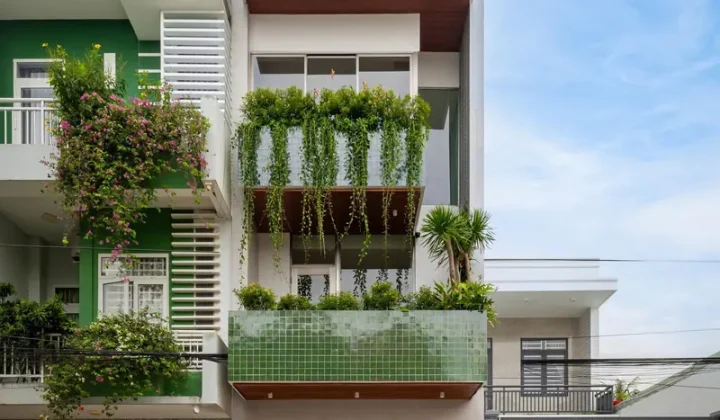
Calm Haven House by ADA Design & Build Offers a Model for Wellness-Focused Residential Design
A new house in Can Tho, Vietnam, designed by ADA Design & Build for a young couple of doctors, demonstrates how residential…
Read more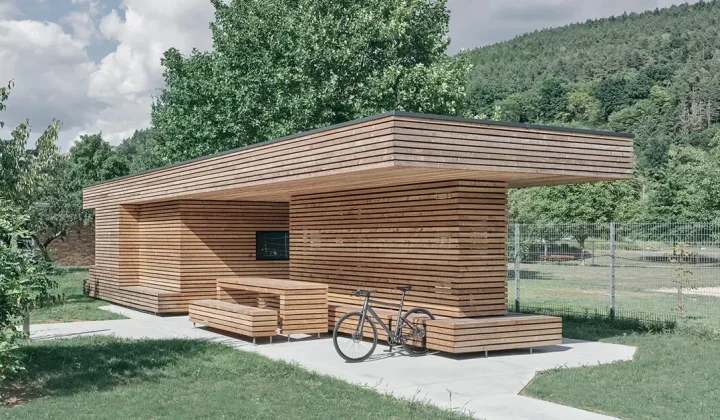
ToB.Studio’s Timber Bike Station in Burgsinn Echoes a Stacked Log Pile
ToB.Studio has completed a cycling rest station in Burgsinn, Germany, that takes its visual cues from stacked timber logs. The building provides…
Read more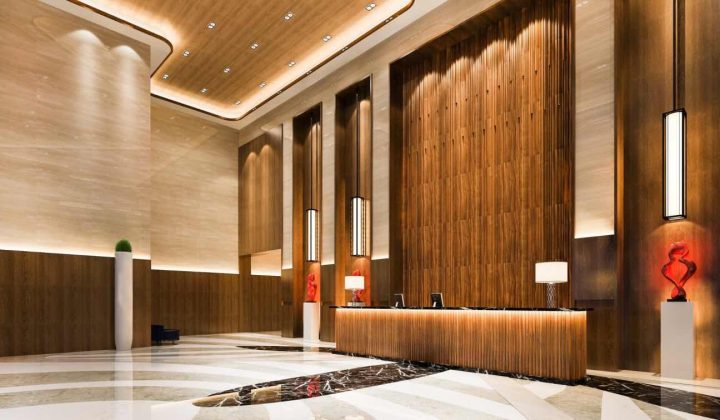
Hospitality Design Trends for 2027 Focus on Flexibility and Real-Use Comfort
From movable furniture and layered lighting to acoustic treatment and textured materials, the seven hospitality design trends for 2027 prioritise how spaces…
Read more
Futurewave’s Arc Silver Bracelet Uses a Gentle Vibration to Curb Phone Overuse
The Belgian design studio’s Arc bracelet offers a tactile nudge when screen time exceeds a set limit, with no display, notifications, or…
Read moreRelated wiki

Adaptive Reuse in Architecture
Reference page for reuse, retrofit, conversion, embodied carbon and design constraints.
Read more