
Elevate Your Interior Style With Smart Online Shopping Strategies
Discover how to effectively shop online for furniture and decor to enhance your interior design, aligning with modern architectural trends and personal style.
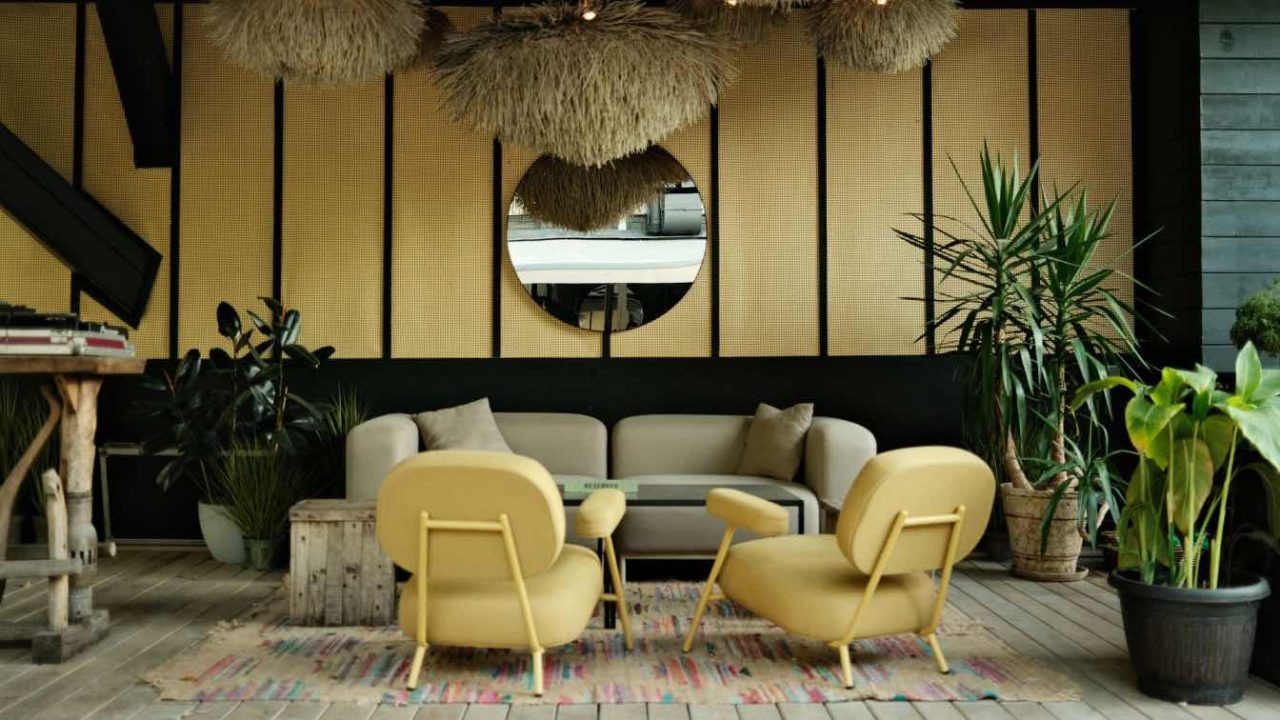
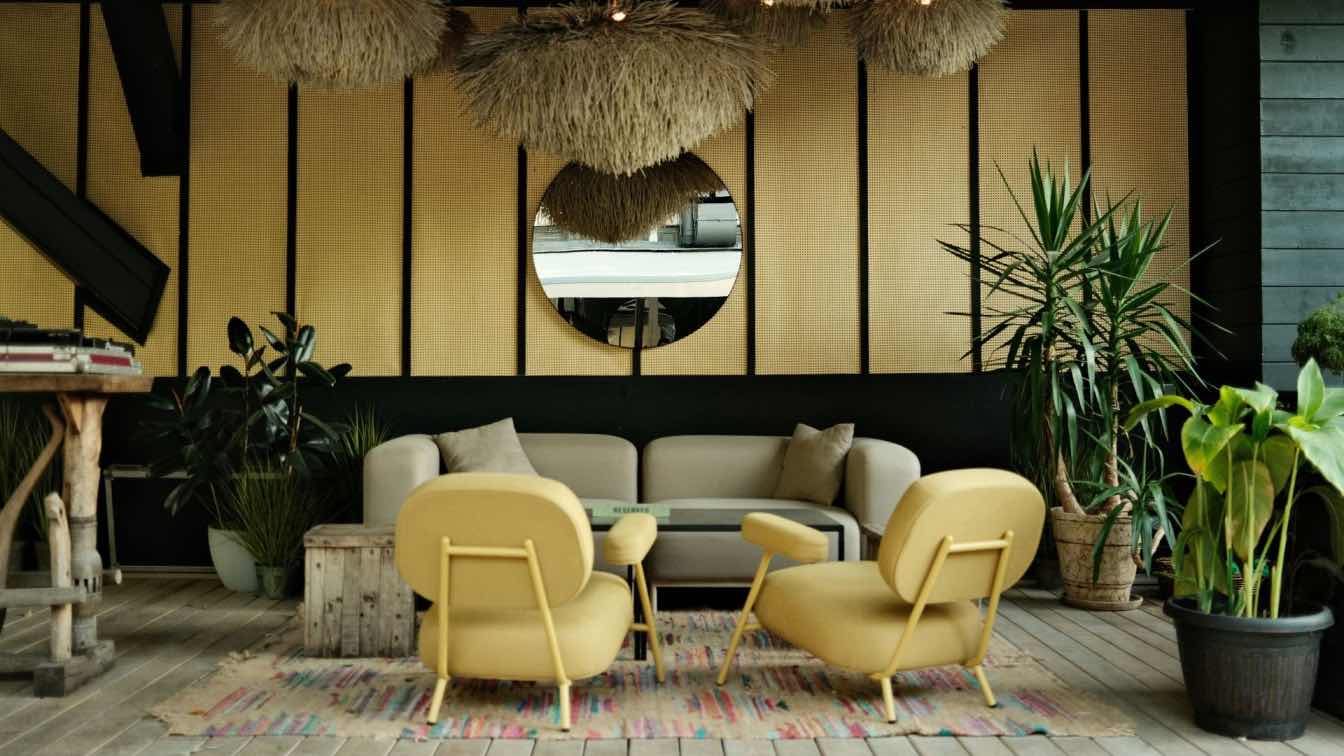
Refreshing a living space can bring immediate satisfaction, and modern design enthusiasts are constantly seeking ways to blend structural beauty with interior accents. Fortunately, finding the perfect pieces online has become more accessible than ever, allowing individuals to curate a high-end look from the comfort of their homes.
Strategic online shopping choices can align your indoor styling with contemporary architectural trends. Digital marketplaces have transformed how people source furniture and architectural accents, with a significant majority of buyers now preferring to purchase home decorations online. This shift provides instant access to global design collections, though the sheer volume of options can be overwhelming for many shoppers.
Por que importa
Navigating the vast online inventory requires a clear stylistic plan. Focusing on specific design eras or color palettes that complement your home’s existing architecture can simplify the digital shopping journey and keep your design goals aligned with your physical space. Creating a digital mood board before browsing is also an effective method to maintain focus and prevent impulsive purchases.
While high-end interior design can come with a premium price tag, smart shoppers can leverage active promo codes and deals to reduce expenses on luxury furniture brands. This approach allows for the acquisition of statement pieces without overspending, freeing up budget for other elements or even major structural renovations. Digital coupons can be applied to various items, from lighting fixtures to custom hardware, helping to create a layered and curated aesthetic rather than a space that looks as if it were furnished from a single showroom.
Contexto
Texture plays a crucial role in modern architectural interiors. Current trends highlight the use of stone, matte ceramics, and natural fibers alongside traditional wood elements. Mixing these components adds visual depth to minimalist rooms, and soft textiles can balance the clean lines of modern concrete or steel structures. Seeking out pieces with organic textures, such as bouclé fabrics for chairs, matte ceramic vases, raw stone side tables, and linen curtains, can create an inviting and sophisticated environment.
The scale of furniture is paramount to the success of an interior layout. Large rooms benefit from substantial items to avoid feeling empty, while smaller spaces are best suited for compact furniture. Online listings typically provide detailed measurements, which are essential for planning and preventing delivery day disappointments. Measuring your floor space and using tape to outline furniture footprints can help maintain clear circulation paths and open sightlines, mirroring the balance found in strong architectural design. Proper spacing allows rooms to breathe, and symmetrical arrangements can create a formal atmosphere, while asymmetrical layouts offer a more relaxed feel.
The rise of smartphone shopping has also impacted home design. Mobile commerce now accounts for a significant portion of online decor purchases. Many shopping applications offer augmented reality tools that allow users to virtually place furniture in their actual rooms, projecting 3D models against walls to aid in color coordination and reduce buying mistakes. This interactive experience directly connects digital retail with physical architecture, enabling buyers to virtually test entire room layouts before making a purchase.
Ultimately, furniture should complement the structural elements of a building. Homes with industrial features might pair well with rugged iron accents, while properties with traditional molding can accommodate classic shapes. Selecting complementary decor reinforces the architect’s original vision and unifies the entire property. Lighting also serves as a bridge between architecture and decoration, with fixtures chosen to highlight the home’s best physical features and define specific zones.
Building a beautiful home environment requires patience and thoughtful curation. Online shopping offers a streamlined method for discovering unique items that enhance interior architecture. By focusing on material quality, proper scale, and utilizing digital tools, individuals can achieve a cohesive look and refresh their surroundings without necessarily undertaking full renovations.
Datos clave
| Aspect | Detail |
|—|—|
| Online Shopping Preference | Over 82% of buyers prefer purchasing home decorations online. |
| Decision Fatigue | 42% of shoppers feel overwhelmed by endless online choices. |
| Mobile Commerce | Over 65% of online decor purchases are made via smartphones. |
| Key Interior Elements | Texture, scale, and complementary materials are crucial. |
Fuente: Amazing Architecture – https://amazingarchitecture.com/articles/elevate-your-interior-style-with-online-shopping-ideas
Datos clave
| Punto | Detalle |
|---|---|
| Fuente | Amazing Architecture |
| Fecha | 2026-05-30T18:21:38+00:00 |
| Tema | Elevate Your Interior Style With Online Shopping Ideas |
Source
Amazing Architecture Original publication: 2026-05-30T18:21:38+00:00
Related news
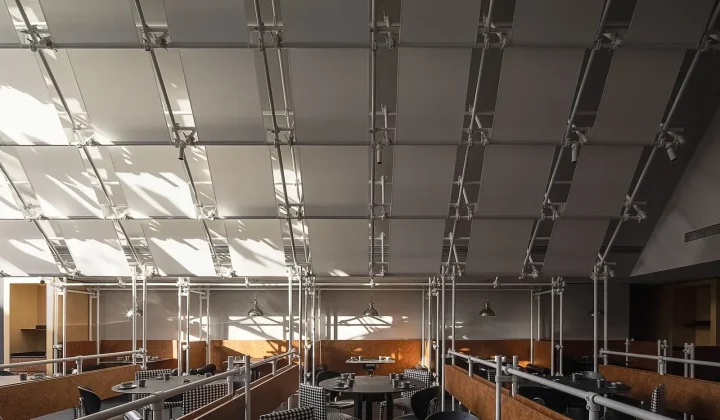
Scaffolding as Interior Architecture: Adaptable Systems Challenge the Divide Between Temporary and Permanent
A new article by Jonathan Yeung examines how modular scaffolding systems, from steel frames to Dieter Rams’ shelving, demonstrate that longevity in…
Read more
MIV Architects Proposes Wetland Pavilion That Prioritizes Non-Human Habitats Over Human Comfort
The Spanish firm’s “Nidos de Agua” concept for the Albufera natural park in Valencia aims to rebalance the relationship between building and…
Read more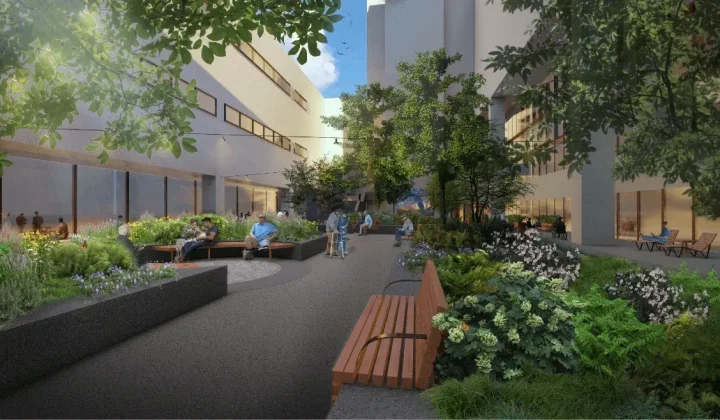
Nelson Byrd Woltz Begins Construction on Restorative Eagle Courtyard at Walter Reed Medical Center
Construction has started on a redesigned Eagle Courtyard at Walter Reed National Military Medical Center, led by Nelson Byrd Woltz Landscape Architects.…
Read more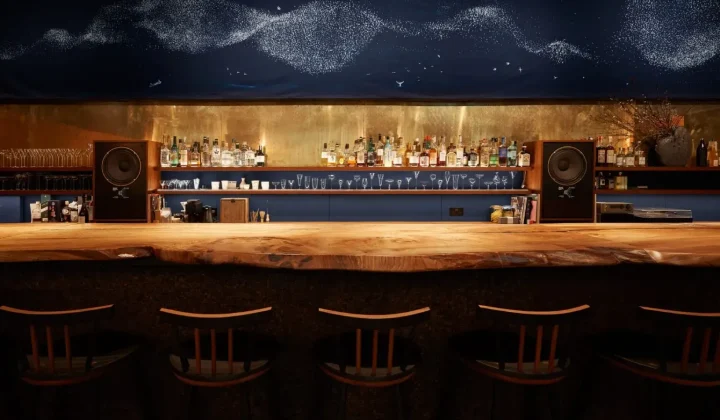
London’s listening bar boom reflects a deeper shift in hospitality design and music culture
A wave of Japanese-inspired listening bars is reshaping London’s nightlife, but owners and critics are asking whether the concept can survive commercial…
Read moreRelated wiki

Adaptive Reuse in Architecture
Reference page for reuse, retrofit, conversion, embodied carbon and design constraints.
Read more