Israel-Iran Tensions Escalate Amidst Trump’s Diplomatic Maneuvers
Recent retaliatory strikes between Israel and Iran have highlighted the volatile regional situation and tested US President Donald Trump's diplomatic efforts, potentially strengthening Iran's negotiating position.
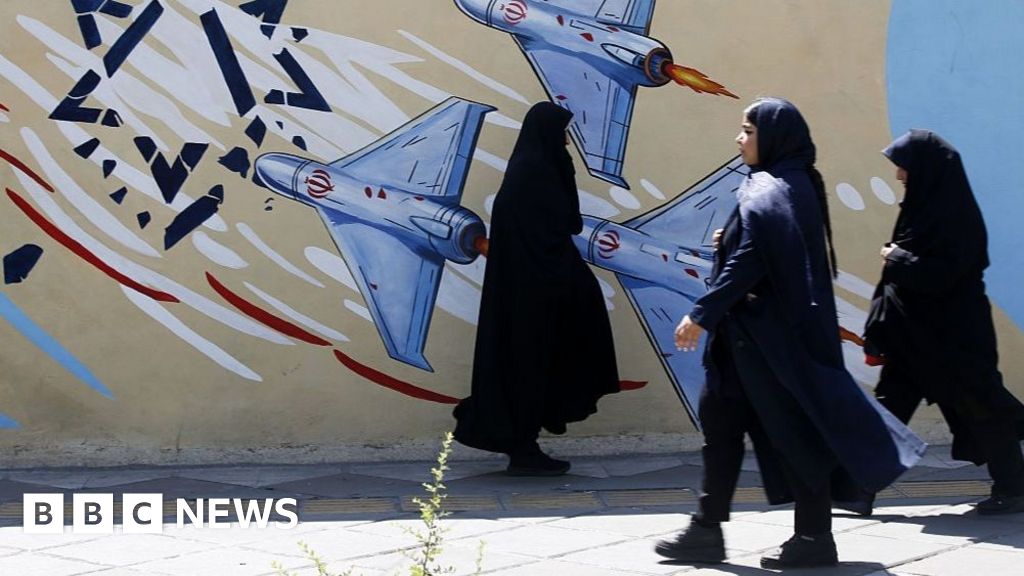
Israel’s recent retaliatory strikes against Iran, occurring for the first time since an April ceasefire, have intensified regional tensions and cast a spotlight on US President Donald Trump’s diplomatic tightrope walk in the Middle East. The exchange of fire, which followed Iran’s missile attacks on Israel, began after alleged Israeli strikes on Beirut. This escalation underscores the precarious state of regional alliances and ceasefires, more than three months after the commencement of the war on Iran.
Trump’s Diplomatic Balancing Act
The events of the weekend have brought to the fore the complex relationship between the US and Israel, particularly concerning President Trump’s approach to Iran. Following Iran’s missile attack, Trump reportedly communicated his desire for Israeli Prime Minister Benjamin Netanyahu to refrain from retaliation, aiming to protect fragile diplomatic channels with Tehran. However, Israel proceeded with its strikes shortly after. Trump, in a subsequent statement to the BBC, asserted that Israeli planes were already en route during his conversation with Netanyahu and denied being defied, stating, “If I tell him to do something, he does it.” This narrative suggests a nuanced dynamic, where Trump may have conceded a “blinking yellow light” rather than a full endorsement, a sentiment echoed by US negotiator Aaron David Miller.
Regional Coordination and Consent
The capacity for Israel to conduct strikes within Iran suggests at least tacit approval from Washington. The significant US military presence in the region, including personnel liaising with the Israel Defense Forces (IDF), necessitates coordination for operations such as air routes. Reports indicate “full coordination” with US Central Command, and US forces reportedly assisted in intercepting Iranian missiles. By Monday afternoon, both Israel and Iran appeared to signal a de-escalation, a scenario likely favored by the Trump administration.
Iran’s Strategic Calculation
Iran’s decision to strike Israel for the first time in response to an Israeli attack on Lebanon, rather than a direct strike on Iran itself, appears to be a strategic move. Tehran may have aimed to link the existing ceasefire with the US to the de facto ceasefire between Israel and Hezbollah, while simultaneously testing the US response to Israeli counterattacks. The potential for discord between the US and Israel over the war’s future trajectory could benefit Iran. President Trump’s public stance, emphasizing ongoing diplomacy and his assertion that a deal with Iran was “very close,” aligns with his desire to maintain distance from direct Israeli-Iranian confrontation.
Iran’s Negotiating Position Strengthened?
Iranian leaders, including President Masoud Pezeshkian, have suggested that the recent military actions have bolstered their negotiating leverage with the US. Pezeshkian described “diplomacy and defence” as the “two wings of national power,” indicating Iran’s continued engagement on both fronts. Facing significant economic pressure, exacerbated by US sanctions and naval blockades, Iran prioritizes sanctions relief and the unfreezing of oil revenues. Additionally, Tehran seeks to limit Israeli escalation against Hezbollah, viewing the group as a deterrent.
The economic implications, particularly the impact of oil prices and the upcoming US midterm elections, may suggest a lower appetite for risk from the Trump administration. This could encourage Iran to push for immediate concessions in any potential deal. President Trump’s earlier dismissal of upfront sanctions relief or asset freezes indicates ongoing complexities in negotiations. The situation remains fluid, with the potential for further destabilization that could draw the US and Iran into direct conflict.
Datos clave
| Aspect | Detail |
|—|—|
| Israel-Iran Strikes | Retaliatory actions following Iran’s missile attack on Israel. |
| US Role | President Trump’s calls for de-escalation and alleged “blinking yellow light” approval. |
| Iran’s Objective | To link ceasefires and test US resolve, potentially strengthening negotiating position. |
| Regional Stability | Ongoing concern due to volatile alliances and potential for wider conflict. |
This development is significant for Paionia7’s readership as it illustrates how geopolitical instability and diplomatic maneuvering directly impact regional security and economic dynamics, potentially influencing global markets and resource availability, which are critical considerations for architecture and urban development projects.
Fuente: BBC News, https://www.bbc.com/news/articles/cp8lm75186lo
Datos clave
| Punto | Detalle |
|---|---|
| Fuente | bbc.co.uk |
| Fecha | 2026-06-08T23:50:59+00:00 |
| Tema | Israel and Iran flare-up tests Trump’s grip and could strengthen Tehran’s negotiating hand |
Source
bbc.co.uk Original publication: 2026-06-08T23:50:59+00:00
Related news

How Traditional Building Materials Fit into Low-Carbon Design Today
Traditional materials can support low-carbon design, but only when sourcing, processing, durability, maintenance, and end-of-life performance are checked carefully.
Read more
World Environment Day Coverage Roundup: Best Built-Environment Ideas Worth Watching
World Environment Day often produces a rush of sustainability messaging. For built-environment readers, the most useful ideas are the ones tied to…
Read more
Professional Floor Plan Drafting Services Crucial for U.S. Building Permits and Projects
Homeowners and contractors in the U.S. need to understand the necessity of accurate floor plans for building permits, renovations, and new constructions.…
Read more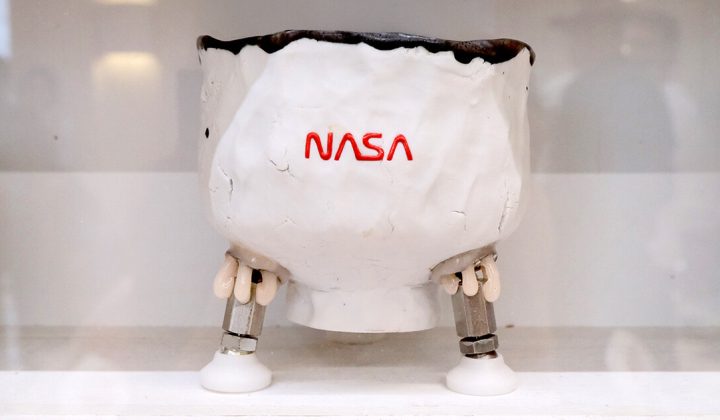
Tom Sachs Embraces Imperfection in New Ceramics Exhibition at Salon 94
Tom Sachs' latest exhibition, "Furniture" at Salon 94, showcases ceramic works that highlight breakage, repair, and the visible language of craft, alongside…
Read moreRelated wiki

Adaptive Reuse in Architecture
Reference page for reuse, retrofit, conversion, embodied carbon and design constraints.
Read more