
Aether Architects and Archigress Transform Shenzhen Railway Warehouse into Apelron Contemporary
Aether Architects and Archigress have completed the Apelron Contemporary project in Shenzhen's Qingshuihe Railway Relics, reimagining a former railway warehouse into a new cultural space. The design addresses the unique urban context of the site, exploring themes of transformation from heaviness to lightness and proxim
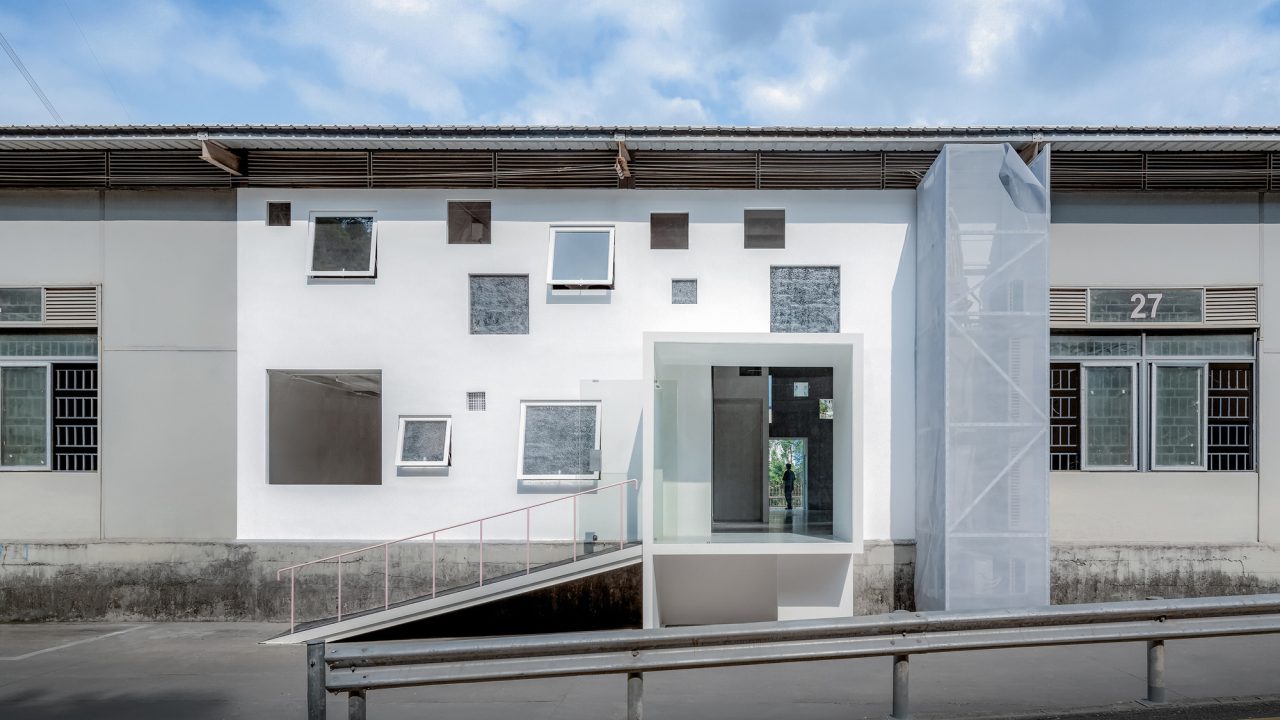
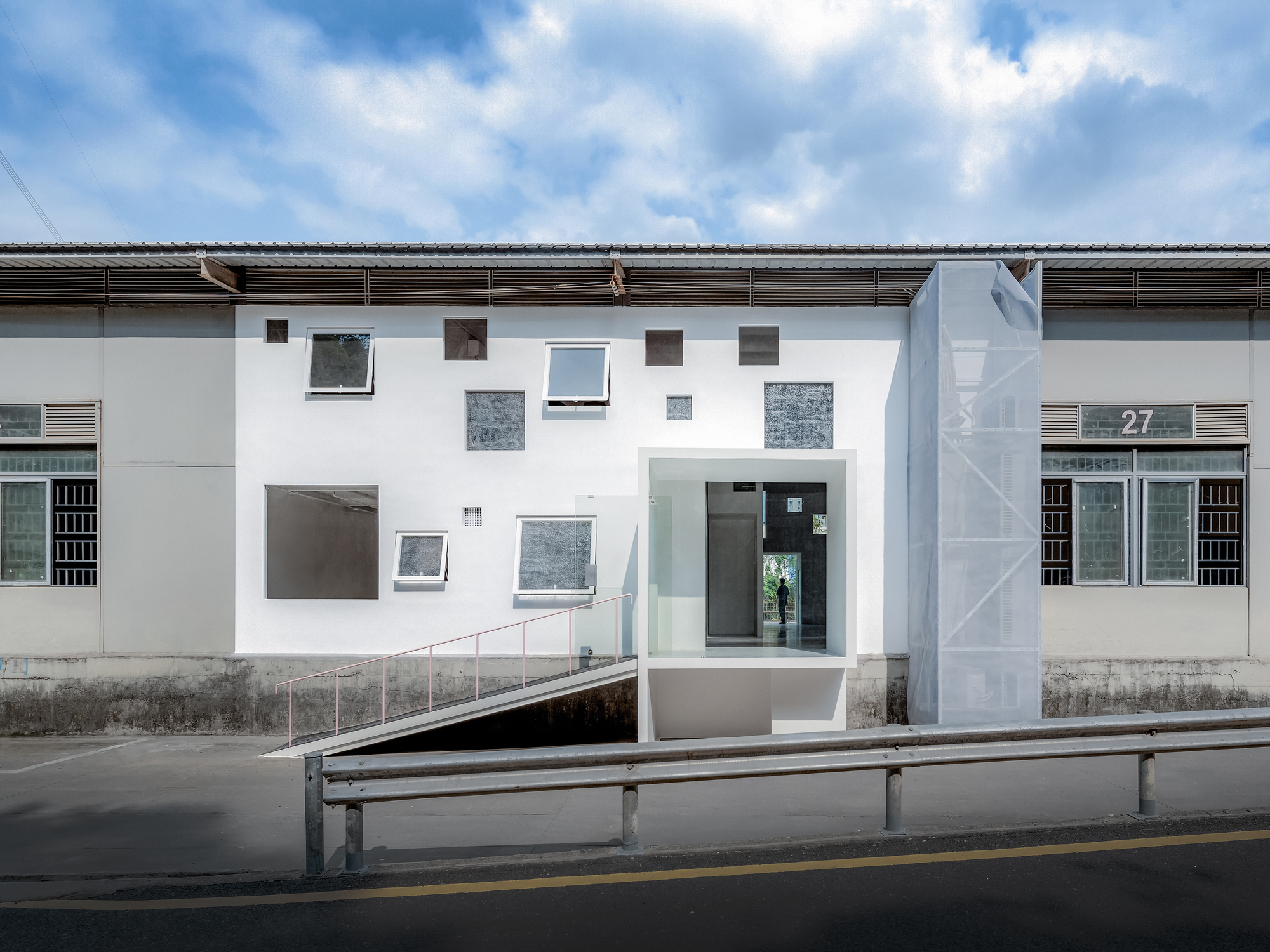
Aether Architects and Archigress have unveiled Apelron Contemporary, a significant adaptive reuse project located within the Qingshuihe Railway Relics in Shenzhen, China. This collaborative effort transforms a former railway warehouse, originally situated between a road and active railway lines, into a dynamic cultural space. The project tackles the challenges of a dense urban environment by converting a utilitarian structure into an unexpected architectural experience, aiming to shift perceptions from ‘heaviness to lightness’ and ‘proximity to distance’.
Project Context and Vision
The Qingshuihe Railway Relics area in Shenzhen presents a distinctive urban landscape, characterized by its industrial heritage and constrained spatial conditions. The architects approached this site not as a limitation, but as a unique phenomenon demanding a thoughtful intervention. Their design philosophy for Apelron Contemporary revolved around questioning the nature of scenery and how everyday landscapes can yield the unexpected. The project seeks to redefine the relationship between the railway infrastructure and the surrounding urban fabric, creating a new focal point that embraces its historical context while looking towards contemporary use.
Design Approach
The transformation of the railway warehouse involved a strategic reinterpretation of its existing structure and spatial qualities. The design aimed to lighten the perceived mass of the building and introduce elements that create a sense of openness and brightness within what was once a dark, enclosed space. While specific design details and material choices are not fully elaborated in the initial reports, the stated ambition was to discover new possibilities within the industrial shell, turning a crowded urban relationship into a unique and engaging environment for visitors.
Key facts
- Location: Qingshuihe Railway Relics, Shenzhen, China
- Original Building: Railway warehouse
- Project Type: Adaptive Reuse, Cultural Architecture
- Architects: Aether Architects + Archigress
Architectural Significance
Apelron Contemporary stands as a case study in how architects can leverage existing infrastructure and challenging urban conditions to create new public and cultural assets. The project’s emphasis on transforming ‘heaviness into lightness’ and ‘darkness into brightness’ suggests a sophisticated approach to light, form, and material that redefines the user experience. For architects and urban planners, it offers insights into the potential of industrial heritage sites for contemporary cultural programs, especially in rapidly developing cities like Shenzhen.
Impact on the Urban Fabric
By converting a disused railway warehouse into a contemporary cultural venue, Apelron Contemporary contributes to the ongoing urban regeneration of the Qingshuihe Railway Relics. Such projects are crucial for preserving urban history while injecting new life and purpose into formerly industrial zones. It provides a new destination for art and culture, potentially drawing visitors and fostering a more vibrant public realm in an area previously defined by logistics and transportation. The project demonstrates how strategic architectural interventions can alter the perception and function of an urban space, creating unexpected value from everyday infrastructure.
Source: ArchDaily, “Apelron Contemporary / Aether Architects + Archigress” https://www.archdaily.com/1041614/apelron-contemporary-aether-architects-plus-archigress
Source
ArchDaily Original publication: 2026-05-19T00:00:00+00:00
Related news

Handwoven Teak and Cord Outdoor Seating Debuts from Masaya and Abril Zepeda
Nicaraguan furniture brand Masaya has introduced two new handcrafted outdoor chairs — a rocking chair and a lounge chair — designed by…
Read more
Place in Mind: Hendricks Churchill Launches Hospitality Group to Revive Historic Properties
The architecture and interior design studio Hendricks Churchill has launched Place in Mind, a new hospitality group focused on acquiring, restoring, and…
Read more
Adalberto Dias Architects Complete Restoration of Lisbon’s Patriarchal Cathedral and Archaeological Center
The restoration of the Sé de Lisboa by Adalberto Dias Arquitecto integrates a new archaeological center, preserved cloisters, and seven centuries of…
Read more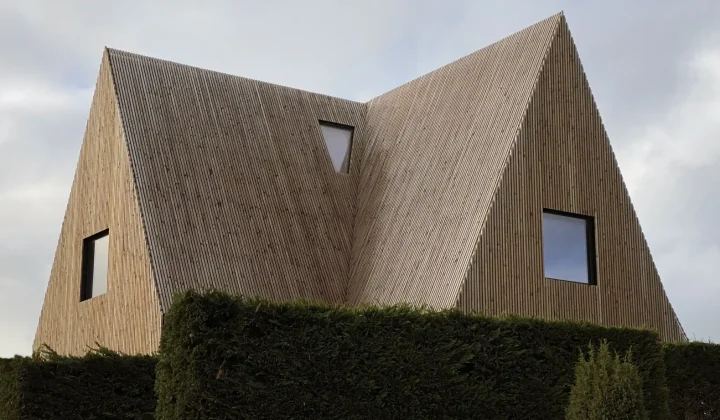
Vantieghem Talebi’s ‘House of Cards’ Brings Timber Geometry to Belgian Family Home
A new family house in Belgium by US- and Swiss-based practice Vantieghem Talebi uses a steeply pitched, card-house-inspired form clad in Douglas-fir…
Read moreRelated wiki

Adaptive Reuse in Architecture
Reference page for reuse, retrofit, conversion, embodied carbon and design constraints.
Read more