
Casa Luz: A Sensitive Intervention in Oaxaca City by T804 Arquitectura e Interiorismo Estratégico
T804 Arquitectura e Interiorismo Estratégico has completed Casa Luz, an architectural and interior design intervention in an existing house in Oaxaca City, Mexico. The project reinterprets local living through nuanced material and spatial adjustments, avoiding nostalgic tropes.
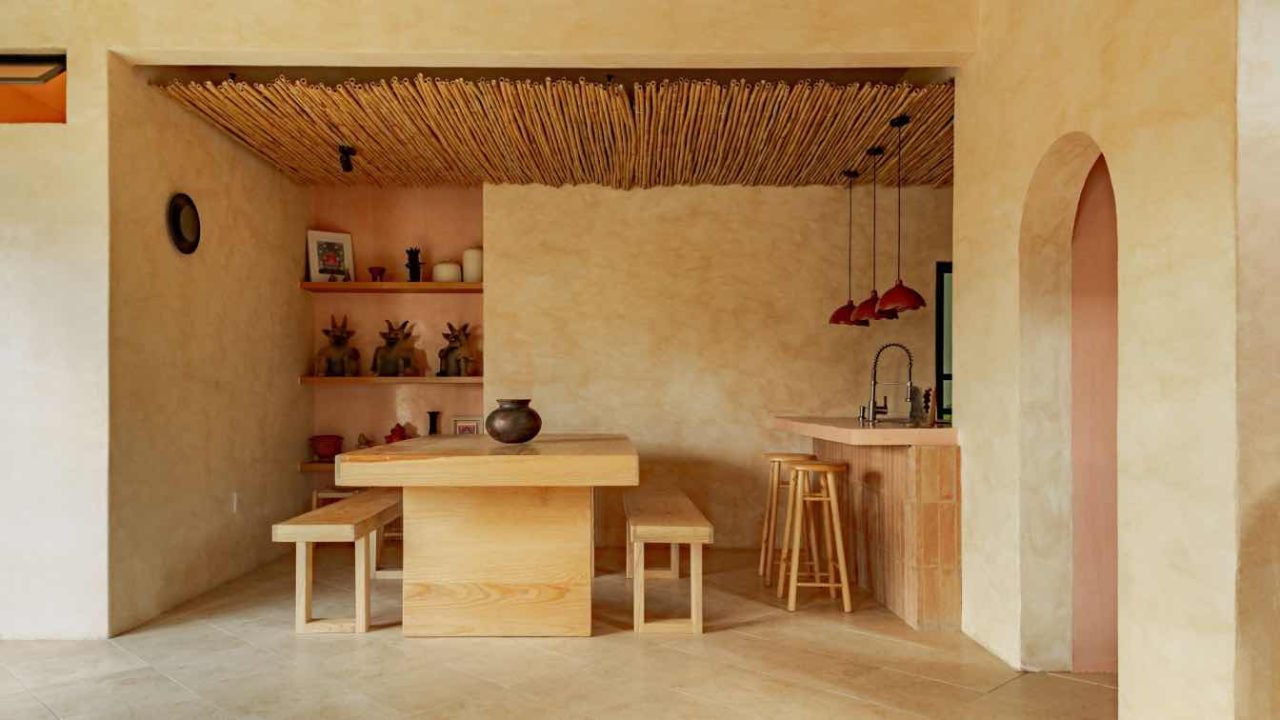
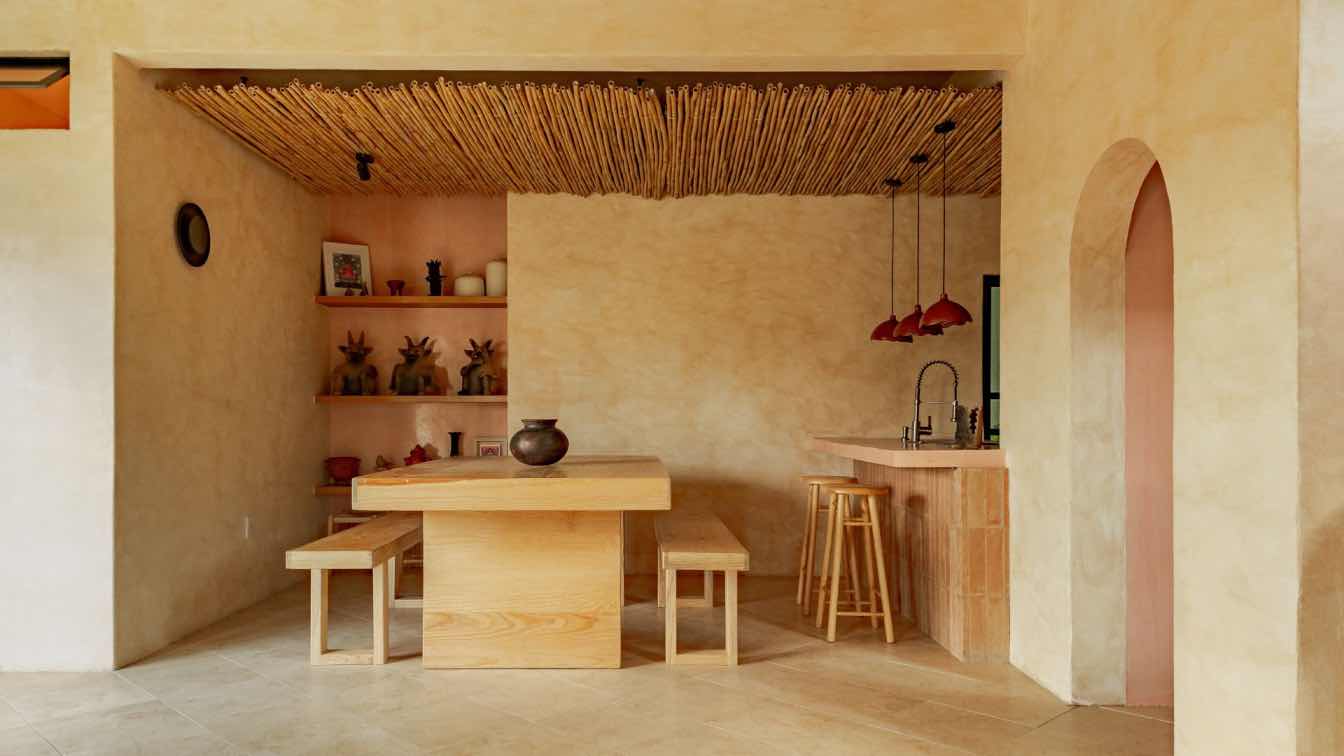
T804 Arquitectura e Interiorismo Estratégico has unveiled Casa Luz, an architectural and interior design intervention within an existing residence in Oaxaca City, Mexico. The project is conceived as a reflection on how to inhabit space from a local perspective, prioritizing context and craftsmanship over literal or nostalgic architectural gestures. It focuses on reconfiguring pre-existing conditions through precise interventions that enhance both functionality and spatial quality.
The design approach for Casa Luz is rooted in a sensitive reading of its context, where materiality, light, and craftsmanship serve as primary means of expression. Rather than undertaking a radical transformation, the architects acknowledged the inherent qualities of the original house, making strategic adjustments to improve its livability and aesthetic coherence.
Key facts
- Project Type: Residential architectural and interior design intervention
- Location: Oaxaca City, Mexico
- Architect: T804 Arquitectura e Interiorismo Estratégico
- Design Philosophy: Contextual sensitivity, local perspective, material expression, light
Spatial Fluidity and Connection
A core element of the redesign involves the incorporation of curved elements and the strategic opening of visual connections throughout the house. This approach aims to create a more fluid domestic experience, where circulation paths are not merely functional but become integral to the overall living environment. The continuity between various spaces was a primary goal, fostering a sense of openness and interconnectedness within the home.
Materiality and Vernacular Integration
One of the significant challenges addressed by the project was balancing contemporary design with vernacular elements without resorting to replication of traditional forms. T804 Arquitectura e Interiorismo Estratégico achieved this through a restrained material palette that highlights texture, color, and natural imperfections. Walls are finished with a limewash technique, providing a vibrant quality that changes with the natural light throughout the day. Soft pink microcement accents introduce contrast and depth, complementing the textured walls.
The integration of local materials and processes is central to Casa Luz’s identity. Clay pieces crafted by Oaxacan artisans are seamlessly incorporated, establishing a direct dialogue between the architecture and local craft traditions. Similarly, the use of carrizo (reed) in the ceilings adds warmth to the interiors, improves acoustic performance, and reinforces the project’s identity through its tactile and constructive qualities.
Lighting as an Architectural Tool
Lighting design in Casa Luz is conceived as a tool to reveal the architecture rather than merely illuminate spaces. Warm fixtures are strategically combined with natural light to create varied atmospheres throughout the day. This approach emphasizes architectural reliefs, textures, and transitions between different areas of the house, contributing to the overall sensory experience. The project ultimately seeks to construct an atmosphere rather than impose a fixed image, offering a home that, through precision and restraint, proposes a way of living deeply connected to matter, light, and time. This framework positions architecture not as a static object but as an active participant in everyday life, deeply rooted in its specific context.
For architects and designers, Casa Luz offers an example of how sensitive interventions can transform existing structures, emphasizing local context, craftsmanship, and a nuanced material palette. The project demonstrates a method for integrating contemporary design within historic urban fabrics without sacrificing authenticity or functional improvements.
Source: Amazing Architecture, https://amazingarchitecture.com/houses/casa-luz-oaxaca-mexico-by-t804-arquitectura-e-interiorismo-estrategico
Source
Amazing Architecture Original publication: 2026-05-19T10:04:33+00:00
Related news

Handwoven Teak and Cord Outdoor Seating Debuts from Masaya and Abril Zepeda
Nicaraguan furniture brand Masaya has introduced two new handcrafted outdoor chairs — a rocking chair and a lounge chair — designed by…
Read more
Place in Mind: Hendricks Churchill Launches Hospitality Group to Revive Historic Properties
The architecture and interior design studio Hendricks Churchill has launched Place in Mind, a new hospitality group focused on acquiring, restoring, and…
Read more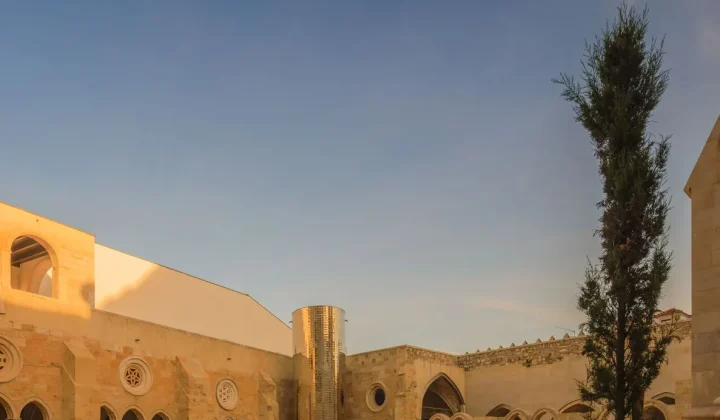
Adalberto Dias Architects Complete Restoration of Lisbon’s Patriarchal Cathedral and Archaeological Center
The restoration of the Sé de Lisboa by Adalberto Dias Arquitecto integrates a new archaeological center, preserved cloisters, and seven centuries of…
Read more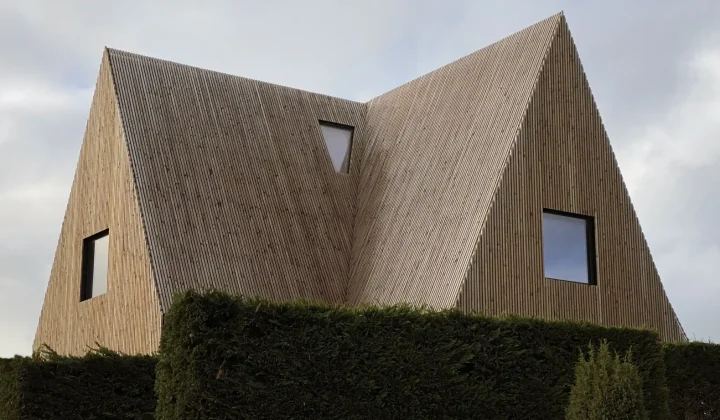
Vantieghem Talebi’s ‘House of Cards’ Brings Timber Geometry to Belgian Family Home
A new family house in Belgium by US- and Swiss-based practice Vantieghem Talebi uses a steeply pitched, card-house-inspired form clad in Douglas-fir…
Read moreRelated wiki
Adaptive Reuse in Architecture
Reference page for reuse, retrofit, conversion, embodied carbon and design constraints.
Read more