
The Architectural Innovations Shaping 2026: A Look into Sustainable and Smart Design
A new report highlights key trends in 2026 architecture, focusing on sustainable design, innovative materials, and smart building technologies that are reshaping urban environments and living spaces.
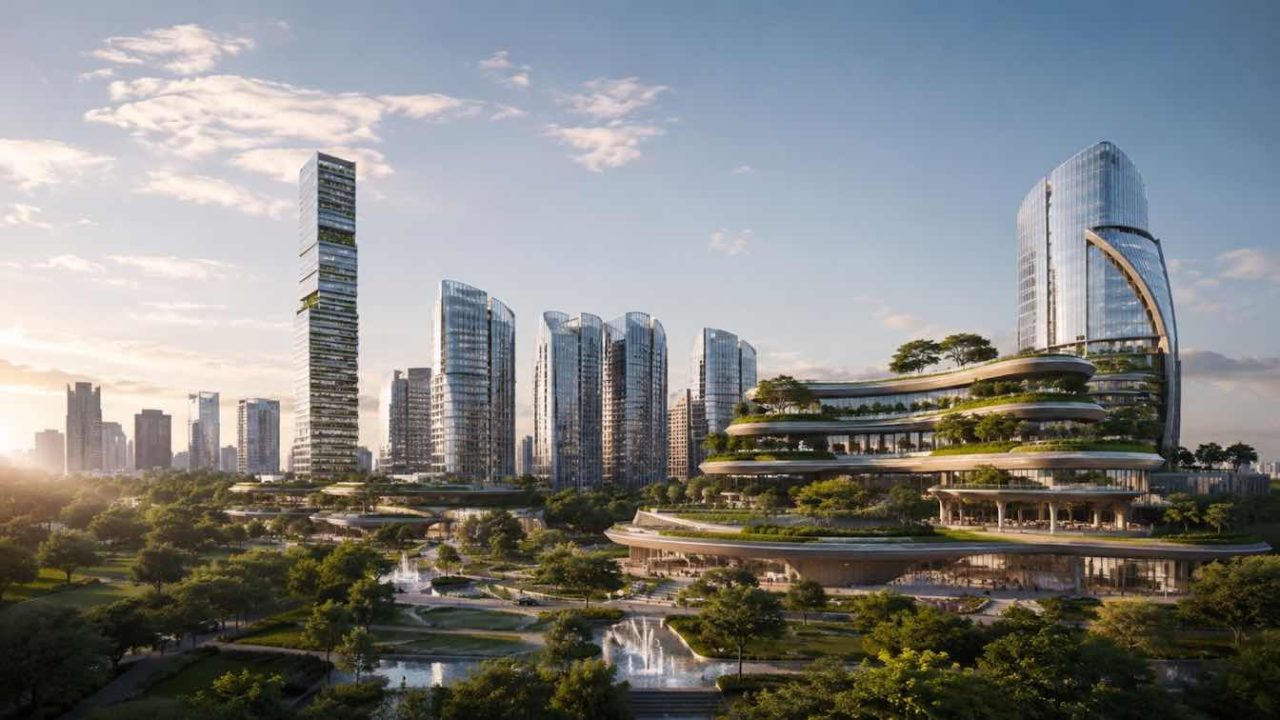
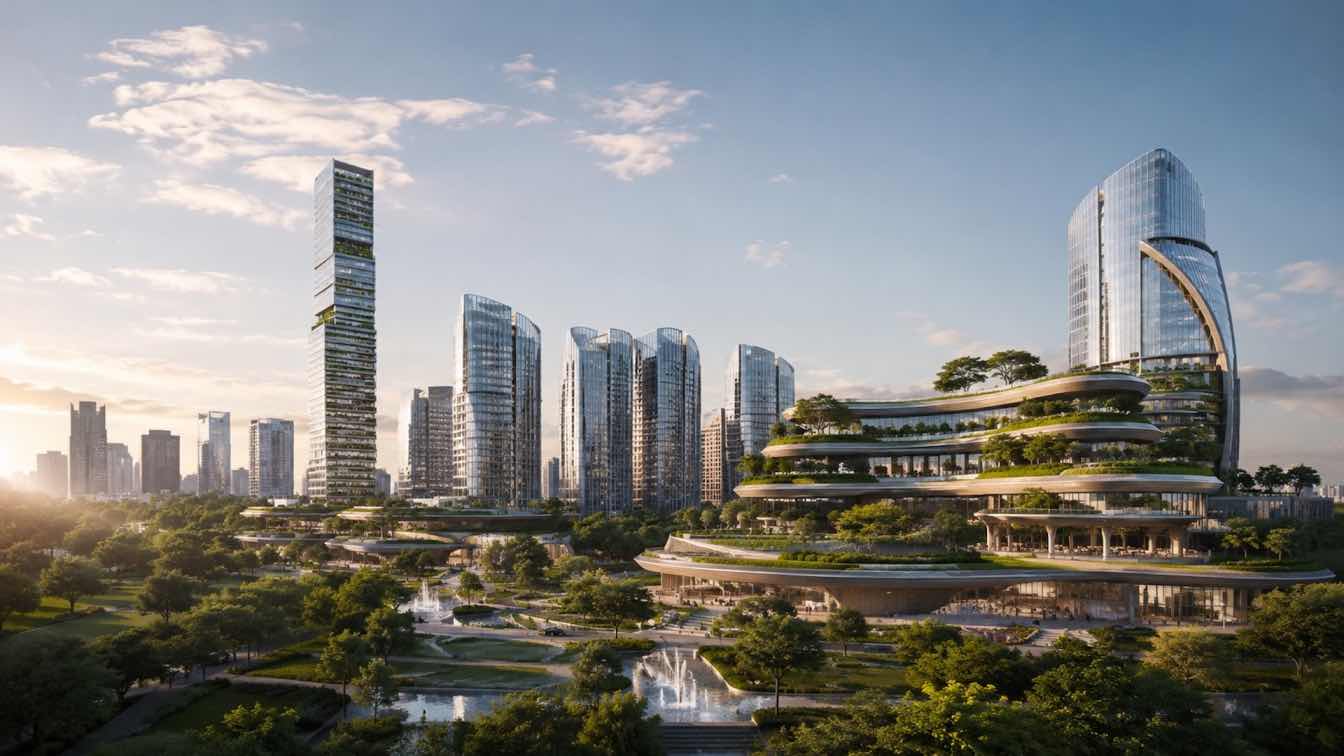
The architectural landscape of 2026 is being defined by a strong commitment to sustainability, groundbreaking material innovation, and advanced digital technologies, according to a recent analysis. These shifts are profoundly influencing how buildings are conceived, constructed, and interacted with, addressing both environmental imperatives and the evolving needs of urban populations. Architects are increasingly integrating eco-friendly practices and smart systems to create structures that are not only efficient but also harmonious with their surroundings. This involves a comprehensive approach, from material selection to energy management and urban integration, signaling a significant evolution in design philosophy.
Sustainability at the Forefront
Sustainable architecture has advanced beyond a mere trend to become a foundational principle in contemporary design. In 2026, architects are actively incorporating eco-friendly materials and energy-efficient technologies to construct buildings that minimize environmental impact. This drive is fueled by a dual imperative: reducing carbon footprints and meeting the growing consumer demand for sustainable living and working spaces. Projects now frequently feature integrated solar panels, extensive green roofs, and sophisticated rainwater harvesting systems, establishing new benchmarks for environmentally conscious design. These elements are not just aesthetic additions but functional components critical to a building’s long-term ecological performance and operational cost reduction. The focus on sustainability also extends to the lifecycle of materials, emphasizing recyclability and low embodied energy.
Key facts
- Feature: Description
- Year of Focus: 2026
- Key Trends: Sustainable design, innovative materials, smart buildings, urban planning
- Driving Forces: Environmental need, consumer demand, technological advancement
- Core Principles: Eco-friendly, energy-efficient, responsive, adaptable
Innovative Materials Reshaping Possibilities
The adoption of innovative materials is revolutionizing architectural possibilities, pushing the boundaries of both design and functionality. Advanced materials such as self-healing concrete and transparent aluminum are enabling architects to realize previously unachievable forms and performance characteristics. A particularly exciting development is the increasing application of biomimicry, where design solutions are inspired by natural processes and forms. This approach not only enhances the aesthetic quality of buildings but also contributes to their durability and energy efficiency, resulting in more sustainable and resilient structures. By emulating nature’s proven strategies for material use and structural integrity, architects are creating buildings that are inherently optimized for performance and longevity, often with reduced reliance on conventional resource-intensive methods.
The Rise of Smart Buildings
The integration of digital technology is giving rise to smart buildings that offer unprecedented levels of convenience, efficiency, and responsiveness. These structures are equipped with advanced systems for real-time monitoring and control of various functions, including lighting, temperature, and security. The deployment of artificial intelligence (AI) and the Internet of Things (IoT) is transforming how buildings interact with their occupants, creating spaces that are more adaptive and attuned to user needs. These technologies optimize energy consumption, enhance security, and personalize environments, leading to more comfortable and productive spaces. For instance, intelligent lighting systems can adjust to natural light levels and occupancy, while HVAC systems can learn usage patterns to minimize energy waste.
Addressing Urbanization Challenges
As global urbanization continues its rapid pace, architects and urban planners face the complex challenge of designing spaces that can accommodate growing populations while preserving livability and quality of life. This has spurred the development of vertical cities and mixed-use developments, which maximize space and resource utilization within dense urban footprints. These innovative solutions are designed not only for efficiency but also to foster community interaction and connectivity. Urban planning initiatives are increasingly prioritizing pedestrian-friendly environments and the integration of ample green spaces, ensuring that cities remain vibrant, healthy, and sustainable despite their increasing density. This holistic approach to urban design seeks to balance high-density living with accessible public spaces, green infrastructure, and efficient transportation networks, creating resilient and enjoyable urban habitats.
Impacts on Architectural Practice and Future Design
These developments have significant implications for architects, designers, urban planners, and the broader built environment community. The emphasis on sustainability requires a deeper understanding of environmental systems, material science, and renewable energy technologies. The rise of smart buildings necessitates collaboration with technology experts and a focus on data-driven design. For urban planners, the challenge lies in balancing population growth with ecological preservation and social equity, requiring innovative strategies for mixed-use development and public space creation. Clients and developers are increasingly seeking projects that offer long-term value through energy efficiency, adaptability, and a positive environmental footprint. Students entering the field will need a multidisciplinary skillset, combining traditional architectural principles with advanced technological and ecological knowledge. The ongoing evolution reflects a broader societal shift towards creating spaces that not only enhance the quality of life for inhabitants but also actively contribute to the preservation of the planet for future generations.
Source: Amazing Architecture, “The Architectural Wonders of 2026: A Glimpse into the Future” (https://amazingarchitecture.com/articles/the-architectural-wonders-of-2026-a-glimpse-into-the-future)
Source
Amazing Architecture Original publication: 2026-05-19T18:13:13+00:00
Related news

Handwoven Teak and Cord Outdoor Seating Debuts from Masaya and Abril Zepeda
Nicaraguan furniture brand Masaya has introduced two new handcrafted outdoor chairs — a rocking chair and a lounge chair — designed by…
Read more
Place in Mind: Hendricks Churchill Launches Hospitality Group to Revive Historic Properties
The architecture and interior design studio Hendricks Churchill has launched Place in Mind, a new hospitality group focused on acquiring, restoring, and…
Read more
Adalberto Dias Architects Complete Restoration of Lisbon’s Patriarchal Cathedral and Archaeological Center
The restoration of the Sé de Lisboa by Adalberto Dias Arquitecto integrates a new archaeological center, preserved cloisters, and seven centuries of…
Read more
Vantieghem Talebi’s ‘House of Cards’ Brings Timber Geometry to Belgian Family Home
A new family house in Belgium by US- and Swiss-based practice Vantieghem Talebi uses a steeply pitched, card-house-inspired form clad in Douglas-fir…
Read moreRelated wiki

Adaptive Reuse in Architecture
Reference page for reuse, retrofit, conversion, embodied carbon and design constraints.
Read more