
What Bed Bug Research Reveals About Infestation Patterns in Modern Residential Design
New analysis of bed bug behavior shows how platform beds, upholstered headboards, and wall-to-wall carpet can hide infestations and drive severe multi-room treatment costs as high as $6,800. Researchers and entomologists point to simple design changes that improve detection and lower risk.
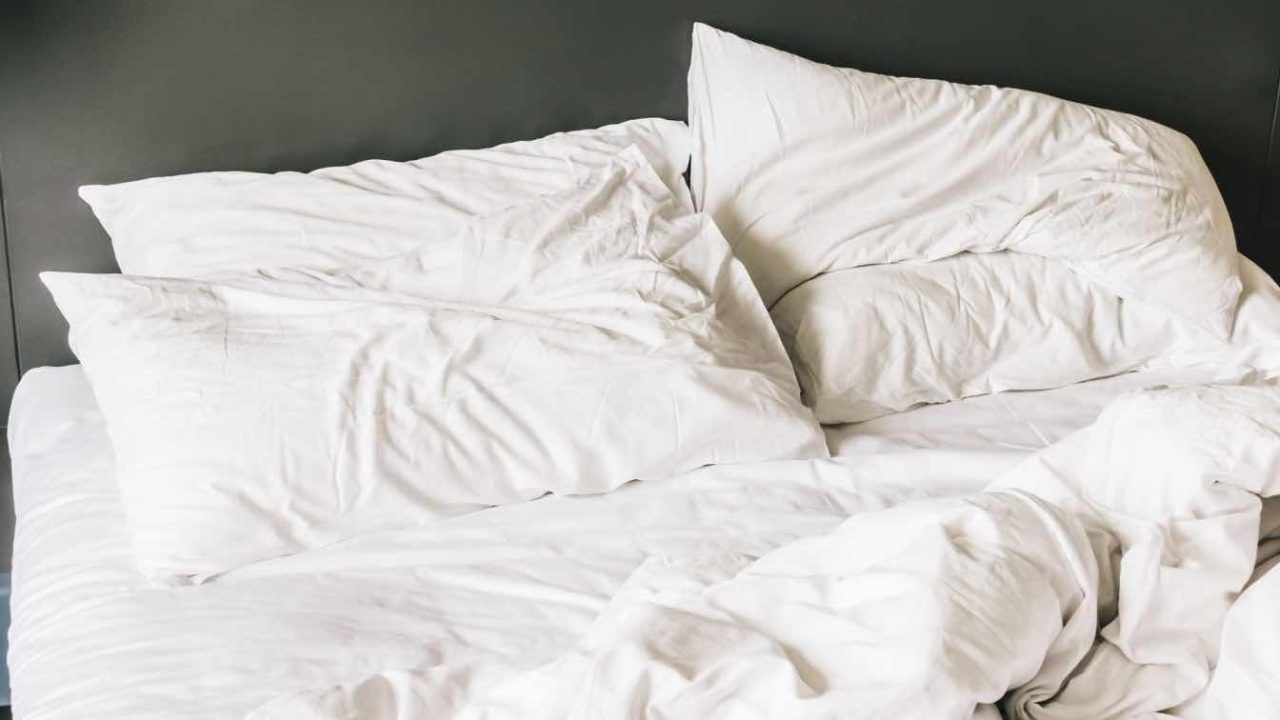
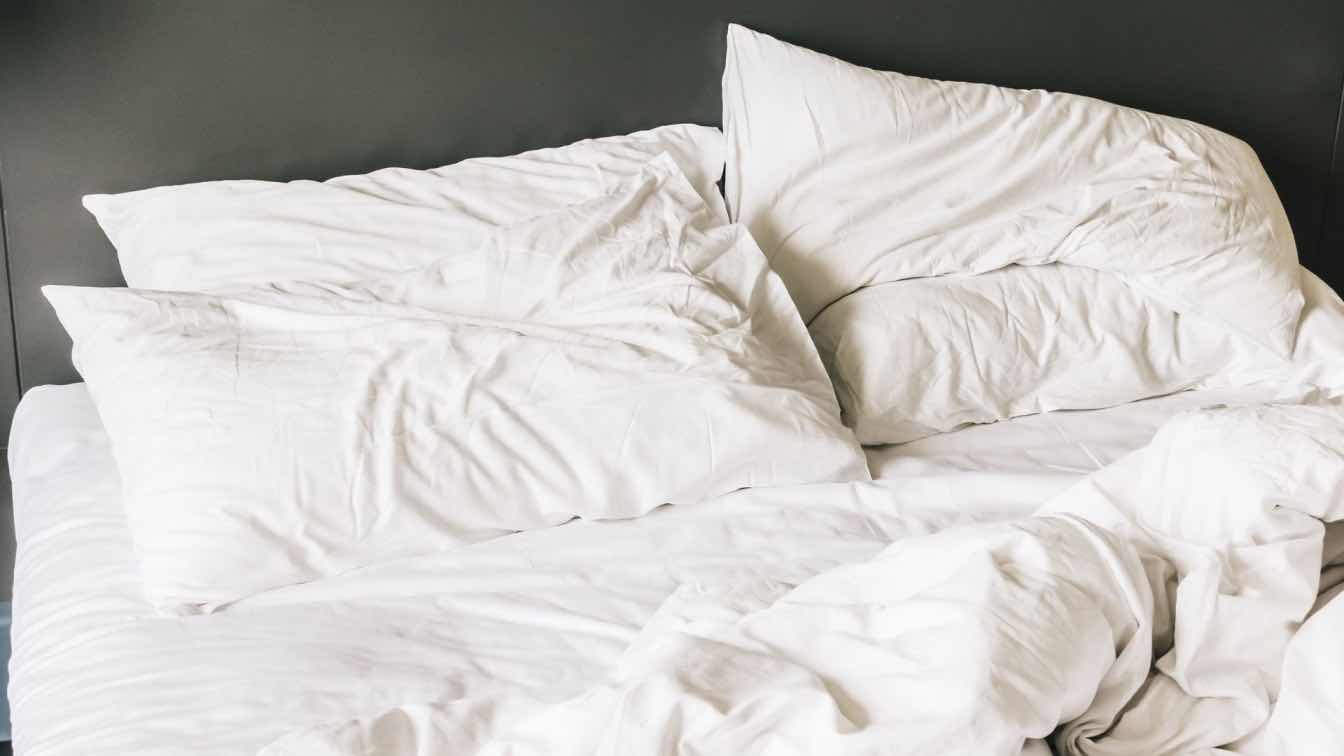
A single undetected bed bug introduction that goes unnoticed for a month can mature into a breeding population. New analysis drawn from entomological research and pest-control market data reveals that common choices in contemporary residential design—platform beds, upholstered headboards, wall-to-wall carpet—can systematically hide infestations, delay discovery, and push severe multi-room treatment costs into the range of $4,000 to $6,800.
The findings, compiled from Rutgers University monitoring studies, U.S. Environmental Protection Agency guidance, and the 2024 State of the Bed Bug Control Market report, suggest that many architectural and interior decisions made at the drafting table have a direct effect on whether a pest problem is detected early or allowed to spread.
Design features that aid detection
Certain mainstream preferences work in the occupant’s favor by shortening the time between introduction and discovery. Hard-surface flooring—polished concrete, hardwood, luxury vinyl tile—removes the fiber-rich edges that carpet tack strips provide, leaving eggs and nymphs exposed to vacuuming. Molded plastic, powder-coated metal, and sealed composite furniture present surfaces too slick for reliable climbing, slowing the journey from floor to mattress. Light bedding and pale wall colors make dark fecal spotting instantly visible, giving residents a detection advantage that requires no tools.
Rutgers entomologists have found that interceptor traps placed under bed legs achieve detection rates of 88 to 89 percent within a two-week monitoring window. That level of early warning is only possible when bed legs are accessible.
Features that hide infestations
Platform beds that sit flush to the floor remove the narrow gap at each bedpost where a monitoring trap would normally sit, eliminating the cheapest and earliest detection method available. Deep-tufted headboards, boucle and tweed upholstery, and oversized fabric panels create dense fiber networks well suited to egg laying, while custom built-in millwork often cannot be disassembled for inspection. Each of these features, common in modern design, resists scrutiny once installed.
Wall-to-wall carpet conceals eggs in fibers and under tack strips, while reducing the effectiveness of chemical treatments. Over-the-counter foggers, the EPA notes, rarely reach the cracks and voids where insects shelter, and because many populations now resist pyrethroids, the aerosol can drive survivors deeper into wall cavities and neighboring units.
Wall voids and shared walls
Modern wall assemblies share a persistent weakness: drywall hung on studs leaves hollow cavities behind every surface. Unsealed floor-to-wall junctions let insects slip beneath baseboards and travel through these voids unseen, turning a single-room problem into a whole-floor one. Gapped baseboards, floating vanities, and built-in wardrobes bolted to drywall create permanent seams that cannot be inspected or treated without removing the fixture.
A continuous bead of elastomeric caulk along baseboards and around outlet plates closes many of these corridors, removing the harborage that loose construction leaves behind. University of Kentucky research found that finished bed frames and slats improve how well later treatments hold, because spores transfer more readily across sealed surfaces than raw lumber.
Key facts
| Feature | Effect on detection | Effect on treatment |
|---|---|---|
| Platform bed (flush to floor) | Blocks access for interceptor traps | Blocks airflow during heat treatment |
| Upholstered headboard | Hides early activity in tufts and seams | Shields eggs from contact sprays |
| Wall-to-wall carpet | Conceals eggs in fibers and tack strips | Reduces chemical contact efficiency |
| Unsealed baseboard junction | Lets insects travel unseen through wall voids | Pushes survivors beyond treatment reach |
Cost implications for architects and designers
The average residential bed bug treatment runs $967 per service visit, with severe multi-room infestations reaching $4,000 to $6,800 depending on property size and method, according to the PCT 2024 market report. A professional pre-renovation bed bug assessment commissioned before demolition costs a fraction of that, and protects finished work from an expensive reappearance.
For architects and designers, the lesson is that material specification and detailing decisions carry pest-control consequences that are rarely considered during the design phase. A growing number of firms now fold a specialist inspection into standard due diligence, treating it much as they would a structural survey or an asbestos check before renovation or occupancy changes.
Source: Amazing Architecture – https://amazingarchitecture.com/articles/the-6800-problem-hidden-in-plain-sight-what-bed-bug-research-reveals-about-infestation-patterns-in-modern-residential-design
Source
Amazing Architecture Original publication: 2026-07-28T01:13:56+00:00
Related news

Christopher Kane brings streamlined, heritage-driven vision to Mulberry in London Fashion Week debut
The Scottish designer presented his first collection for the British leather goods house at London Fashion Week, blending sharp tailoring, archival references…
Read more
When Film Directors Become Interior Designers: Guadagnino, Lynch, Anderson and Almodóvar Step Off Screen
From Luca Guadagnino’s Zara Home collection to David Lynch’s Paris club and Wes Anderson’s train carriage, a wave of collaborations is blurring…
Read more
Jesus Mari Lazkano Examines Changing Landscapes Through Painting and Animated Film at Basque Luxury Studio
The Basque artist’s exhibition ‘Azken Natura’ brings together six large-scale paintings and a 22-minute animated film that traces the melting of the…
Read more
Glenn Spiro opens intimate jewellery atelier in Mayfair with designer Valerie Name Bolaño
The London jewellery house’s new boutique at 26 Bruton Street blends antiques, bespoke furniture and a monochrome palette to create a residential…
Read moreRelated wiki

Adaptive Reuse in Architecture
Reference page for reuse, retrofit, conversion, embodied carbon and design constraints.
Read more