
Purpose-built windows for behavioral health: balancing safety, daylight, and dignity
As behavioral healthcare facilities demand safer environments, glazing systems are evolving to withstand impact, prevent ligature, and deliver therapeutic daylight—without compromising architectural intent.
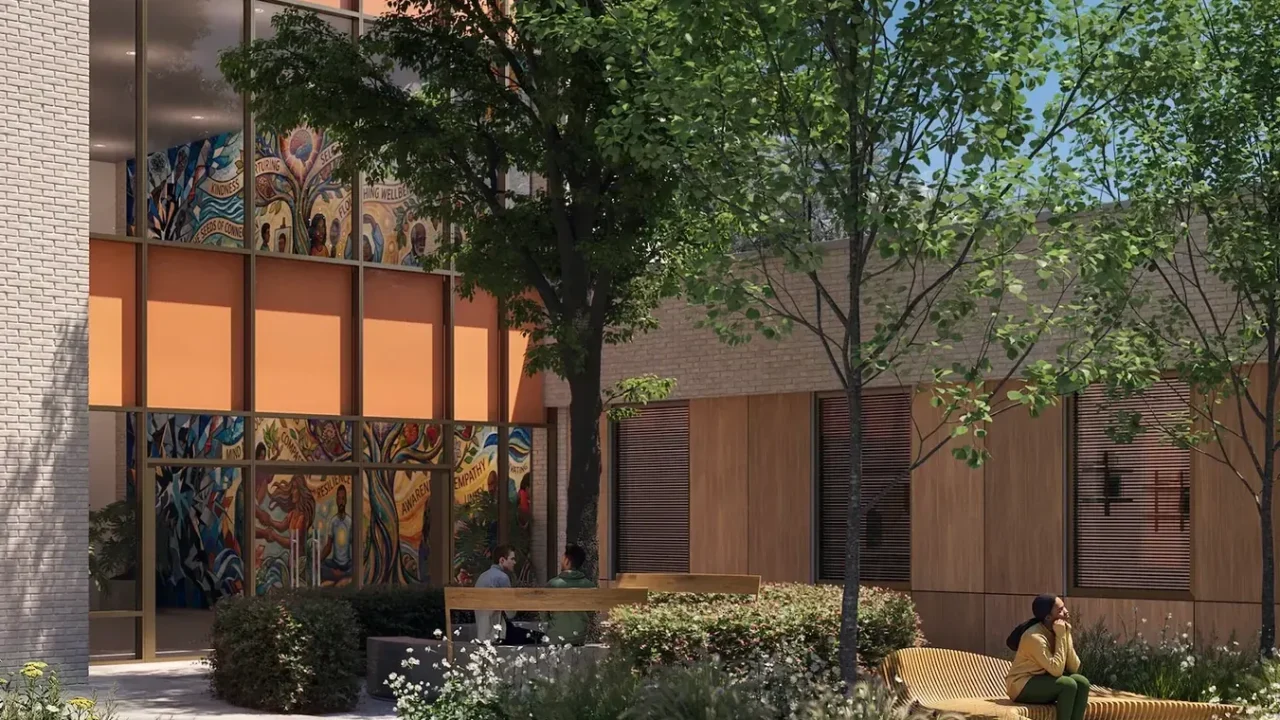
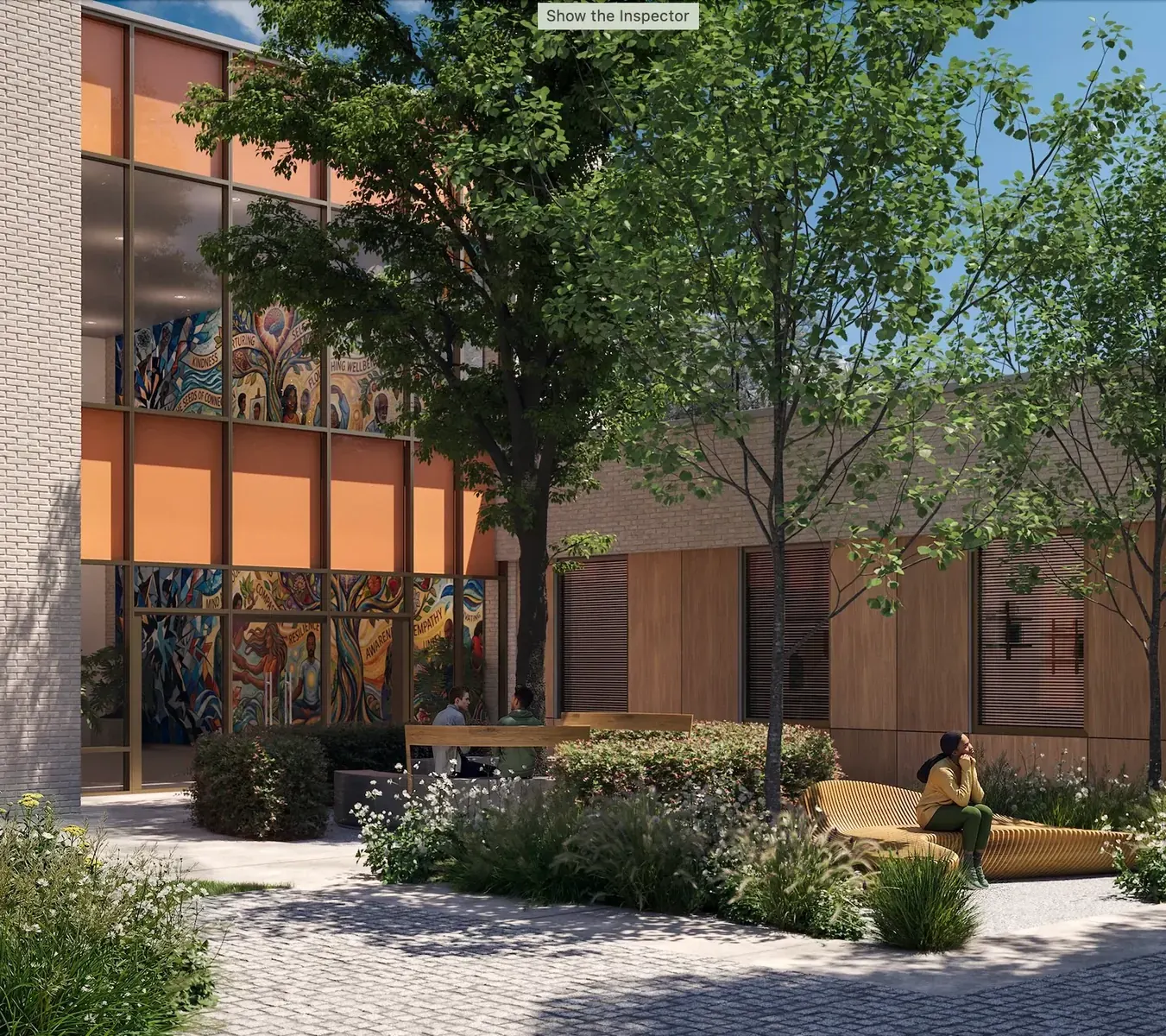
Designing for behavioral healthcare requires architects to reconcile two objectives that often pull in opposite directions: eliminating environmental risk and creating spaces that feel supportive rather than punitive. Window systems, particularly in patient-accessible areas, have become a focal point where these demands meet. Recent product developments and evolving regulatory guidance suggest that the industry is moving beyond adapted commercial windows toward purpose-built assemblies that integrate safety, durability, and therapeutic performance from the start.
The clinical case for daylight is well established. Natural light has been linked to improved patient outcomes, reduced length of stay, and better staff satisfaction. Yet in behavioral health settings, the instinct to secure windows can trade away these benefits. Larger windows, more glass, and operable components create potential hazards that must be addressed through design rather than elimination.
Por que importa
A new generation of window systems is attempting to close that gap. The GT6300 Human Impact Window, introduced by Graham Architectural Products, is one example. Designed specifically for behavioral healthcare environments, the system incorporates an anti-ligature design with a concealed energy-controlled retention bar and a dedicated sash retention system engineered to keep glazing secured after repeated impacts. It has been tested to withstand multiple 2,000-foot-pound impacts under the AAMA 501.8-23 standard.
Beyond impact resistance, the system delivers U-factors as low as 0.22 and a Condensation Resistance Factor (CRF) of 73, addressing thermal performance and occupant comfort. Optional integrated blinds with maintenance-only access support patient privacy without introducing loose components that could be used for self-harm. The system is also designed to support behavioral health guidance published by the U.S. Department of Veterans Affairs and the New York State Office of Mental Health.
Contexto
Key facts
| Aspect | Detail |
|——–|——–|
| Product | GT6300 Human Impact Window by Graham Architectural Products |
| Safety tests | AAMA 501.8-23, multiple 2,000-foot-pound impacts |
| Thermal performance | U-factor as low as 0.22, CRF 73 |
| Design standards | VA and NYS Office of Mental Health behavioral health guidance |
The shift toward purpose-built glazing is being driven partly by changes in how facilities are evaluated. Healthcare providers are increasingly conducting formal Facility Risk Assessments that scrutinize patient-accessible elements. Windows, which historically received limited attention, are now being reassessed for their role in patient safety. This is influencing specification decisions earlier in the design process and fostering collaboration among architects, facility operators, and manufacturers.
For architects, the implications go beyond product selection. The availability of integrated systems allows designers to specify windows that meet safety requirements without sacrificing daylight, views, or architectural expression. Rather than adding aftermarket guards or restrictive grilles, the safety features are embedded in the assembly itself. This integrated approach can help reduce the institutional feel that often accompanies behavioral health environments.
Privacy remains a delicate balance. In patient rooms and treatment areas, designers must weigh the need for observation against patient dignity. Integrated blinds that are inaccessible to patients but adjustable by staff are one solution. The GT6300’s optional blinds are designed for maintenance-only access, meaning they cannot be tampered with but can be serviced without removing the window.
Performance expectations now extend beyond safety. Owners and facility managers are looking for systems that contribute to overall building performance through thermal efficiency, durability, and low maintenance. Durable systems that can withstand repeated impacts without requiring replacement help reduce long-term operating costs. The combination of impact resistance and thermal performance in a single product line simplifies specification and procurement.
For the architecture and design community, the evolution of behavioral health window systems represents a broader trend: the recognition that safety and human experience are not mutually exclusive. As more facilities are built or renovated to meet modern behavioral health standards, the choice of window system will play a critical role in shaping environments that are both secure and supportive. The best solutions will be those that allow architects to design for daylight, dignity, and recovery without compromising safety.
Source: The Architect’s Newspaper, “The critical role of window design in behavioral health facilities,” https://www.archpaper.com/2026/07/window-design-behavioral-health-facilities/
Datos clave
| Punto | Detalle |
|---|---|
| Fuente | The Architect's Newspaper |
| Fecha | 2026-07-29T18:33:00+00:00 |
| Tema | The critical role of window design in behavioral health facilities |
Source
The Architect's Newspaper Original publication: 2026-07-29T18:33:00+00:00
Related news

Handwoven Teak and Cord Outdoor Seating Debuts from Masaya and Abril Zepeda
Nicaraguan furniture brand Masaya has introduced two new handcrafted outdoor chairs — a rocking chair and a lounge chair — designed by…
Read more
Place in Mind: Hendricks Churchill Launches Hospitality Group to Revive Historic Properties
The architecture and interior design studio Hendricks Churchill has launched Place in Mind, a new hospitality group focused on acquiring, restoring, and…
Read more
Adalberto Dias Architects Complete Restoration of Lisbon’s Patriarchal Cathedral and Archaeological Center
The restoration of the Sé de Lisboa by Adalberto Dias Arquitecto integrates a new archaeological center, preserved cloisters, and seven centuries of…
Read more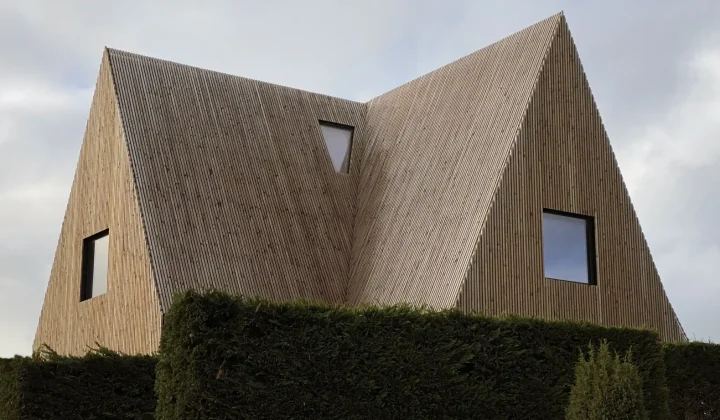
Vantieghem Talebi’s ‘House of Cards’ Brings Timber Geometry to Belgian Family Home
A new family house in Belgium by US- and Swiss-based practice Vantieghem Talebi uses a steeply pitched, card-house-inspired form clad in Douglas-fir…
Read moreRelated wiki
Adaptive Reuse in Architecture
Reference page for reuse, retrofit, conversion, embodied carbon and design constraints.
Read more