
Biodiseño MX: Living Territories Explores Mexican Biodesign at Museo Franz Mayer
Over 74 works by more than 60 creatives bring together ancestral Mexican techniques and contemporary biomaterials at Museo Franz Mayer in Mexico City.
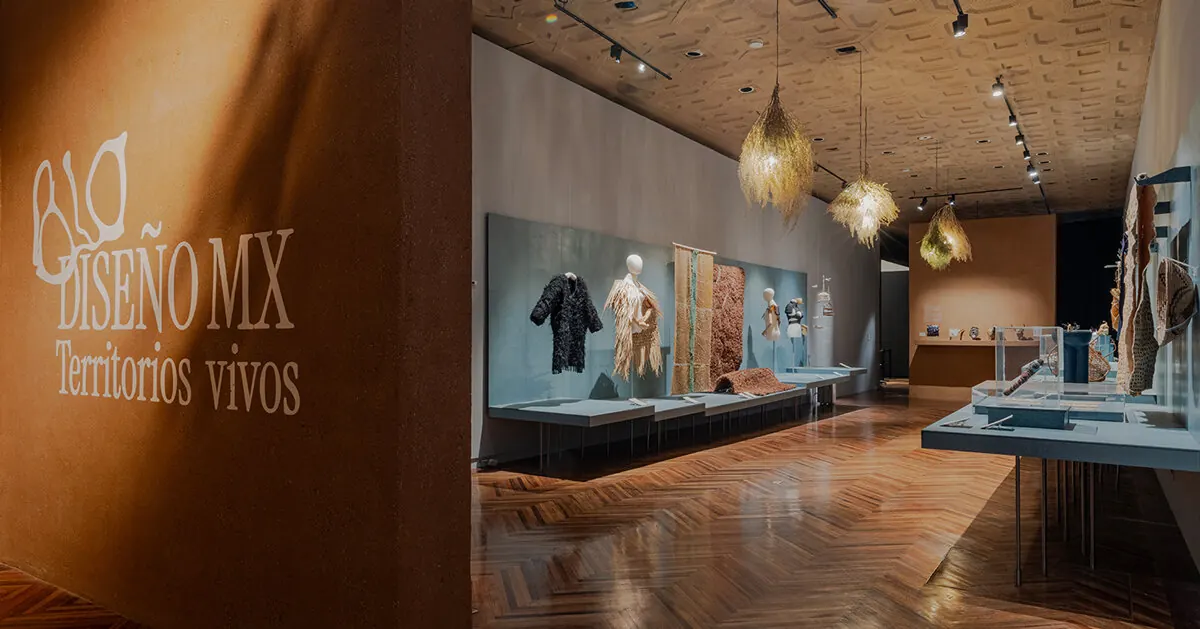
Biodiseño MX: Living Territories, an exhibition curated by Taina Campos, brings together more than 74 works by over 60 designers, artists, and collectives at Mexico City’s Museo Franz Mayer. The show examines how living systems can participate in creative processes, merging ancestral Mexican knowledge with contemporary biomaterial research. The exhibition is organized into five thematic sections — Flora, Fauna, Microbia, Funga, and Bioinspiration — each exploring different aspects of biodesign.
Key facts
| Item | Detail |
|---|---|
| Exhibition name | Biodiseño MX: Territorios Vivos (Living Territories) |
| Location | Museo Franz Mayer, Mexico City |
| Curator | Taina Campos |
| Works on display | Over 74 works by more than 60 creatives |
Five thematic sections map the biodesign landscape
The exhibition’s structure mirrors the biological kingdoms it draws from. Flora focuses on plants as collaborators, presenting bioplastics and plant-fiber textiles alongside traditional crafts. Fauna highlights interactions between humans and animals, including pollinator refuges, insect-derived pigments, and bioceramic sculptures made from human ashes that aid coral reef restoration. Microbia explores microscopic organisms, with projects using bacteria, fungi, and algae to create materials such as bacterial cellulose textiles and bioluminescent designs. Funga examines the diversity of fungi in sustainable material practices, from mycelium-based materials to traditional medicinal and ritual uses. Bioinspiration looks at how collaborative and regenerative processes in nature can inform alternative approaches to sustainable living.
Museography made from recycled materials and Oaxacan soils
The exhibition design, by Manuel Díaz Tufinio, transforms the museum interior into a mountainous landscape referencing Mexico’s varied topography. Walls are finished with Mixterra’s clay-based coatings made from Oaxacan soils, which help regulate temperature and humidity while echoing traditional Mexican construction techniques. Display modules are produced from New Fibers panels made from 100 percent recycled and recyclable LDPE, sourced from post-industrial laminated cardboard waste, including beverage cartons and food packaging. Recyclable materials such as Polyroca are used to construct the mountainous forms, integrating the exhibition’s ecological message into its physical presentation.
Ancestral knowledge meets contemporary biodesign
A central thread of the exhibition is the dialogue between ancestral Indigenous knowledge and modern design. Visitors encounter traditional costumes made from biological materials, masks from the Ruth D. Lechuga collection that reference rituals celebrating harvest seasons, and works by Fernando Laposse, such as “Patachón,” a light sculpture crafted from agave fibers. Emiliano Godoy, Edith Medina, Javier Senosiain, and the collective Resting Reef are also featured. Curator Taina Campos notes that the exhibition invites visitors to abandon extractive logics and embrace a future where the memory of the territory expresses itself through design.
Why this matters for sustainable design
For architects, designers, and material researchers, Biodiseño MX: Living Territories offers a model for integrating biodesign with cultural heritage. The exhibition positions living systems not only as sources of material or inspiration but as active participants in the design process. By showcasing works that use bacterial cellulose, mycelium, soil-based pigments, and waste-derived bioceramics, the show expands the vocabulary of sustainable materials while grounding them in the traditions of Mexico’s Indigenous communities. The exhibition is currently on view at Museo Franz Mayer.
— Paionia7
Source: Designboom, “exhibition brings biomaterials and mexican ancestral design together at museo franz mayer” – https://www.designboom.com/design/exhibition-biomaterials-mexican-ancestral-design-museo-franz-mayer-biodiseno-mx-territorios-vivos/
Source
Designboom Original publication: 2026-07-28T02:10:02+00:00
Related news
Handwoven Teak and Cord Outdoor Seating Debuts from Masaya and Abril Zepeda
Nicaraguan furniture brand Masaya has introduced two new handcrafted outdoor chairs — a rocking chair and a lounge chair — designed by…
Read more
Place in Mind: Hendricks Churchill Launches Hospitality Group to Revive Historic Properties
The architecture and interior design studio Hendricks Churchill has launched Place in Mind, a new hospitality group focused on acquiring, restoring, and…
Read more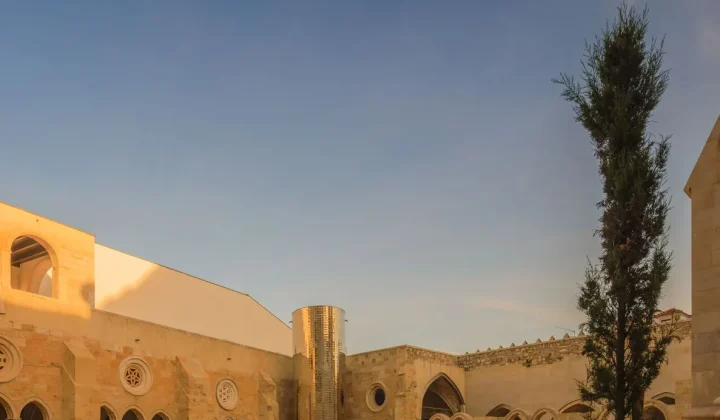
Adalberto Dias Architects Complete Restoration of Lisbon’s Patriarchal Cathedral and Archaeological Center
The restoration of the Sé de Lisboa by Adalberto Dias Arquitecto integrates a new archaeological center, preserved cloisters, and seven centuries of…
Read more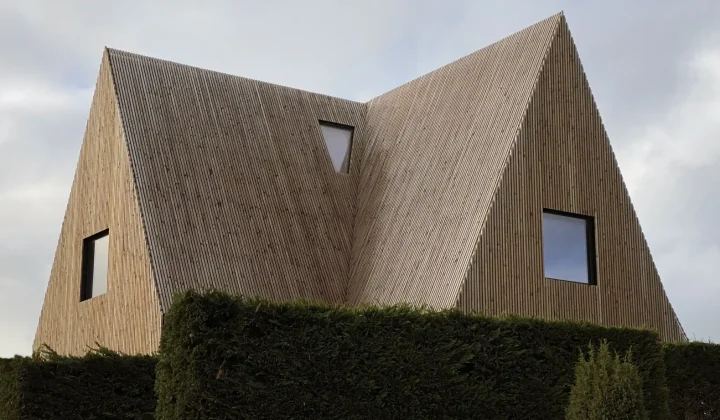
Vantieghem Talebi’s ‘House of Cards’ Brings Timber Geometry to Belgian Family Home
A new family house in Belgium by US- and Swiss-based practice Vantieghem Talebi uses a steeply pitched, card-house-inspired form clad in Douglas-fir…
Read moreRelated wiki
Adaptive Reuse in Architecture
Reference page for reuse, retrofit, conversion, embodied carbon and design constraints.
Read more