Boston Seeks Developers to Convert Landmark Lindemann and Hurley Buildings into Housing
Massachusetts Governor's Office is soliciting proposals to transform the historic Lindemann and Hurley buildings in Boston's Government Services Center into residential units, responding to urban housing needs and economic shifts.
TITLE: Boston Seeks Developers to Convert Landmark Lindemann and Hurley Buildings into Housing
SLUG: boston-lindemann-hurley-housing-conversion
EXCERPT: Massachusetts Governor’s Office is soliciting proposals to transform the historic Lindemann and Hurley buildings in Boston’s Government Services Center into residential units, responding to urban housing needs and economic shifts.
CATEGORY: Architecture News
TAGS: Boston, adaptive reuse, housing, urban planning, historic preservation, government buildings
SEO_TITLE: Boston’s Lindemann & Hurley Buildings Targeted for Housing Conversion
SEO_DESCRIPTION: Massachusetts is inviting developers to propose housing solutions for the Lindemann and Hurley buildings, part of an initiative to repurpose underutilized state properties.
MEDIA_QUERY: aerial view of Boston Government Services Center with Lindemann and Hurley buildings highlighted
IMAGE_ALT: Aerial view of Boston’s Government Services Center, showcasing the Lindemann and Hurley buildings.
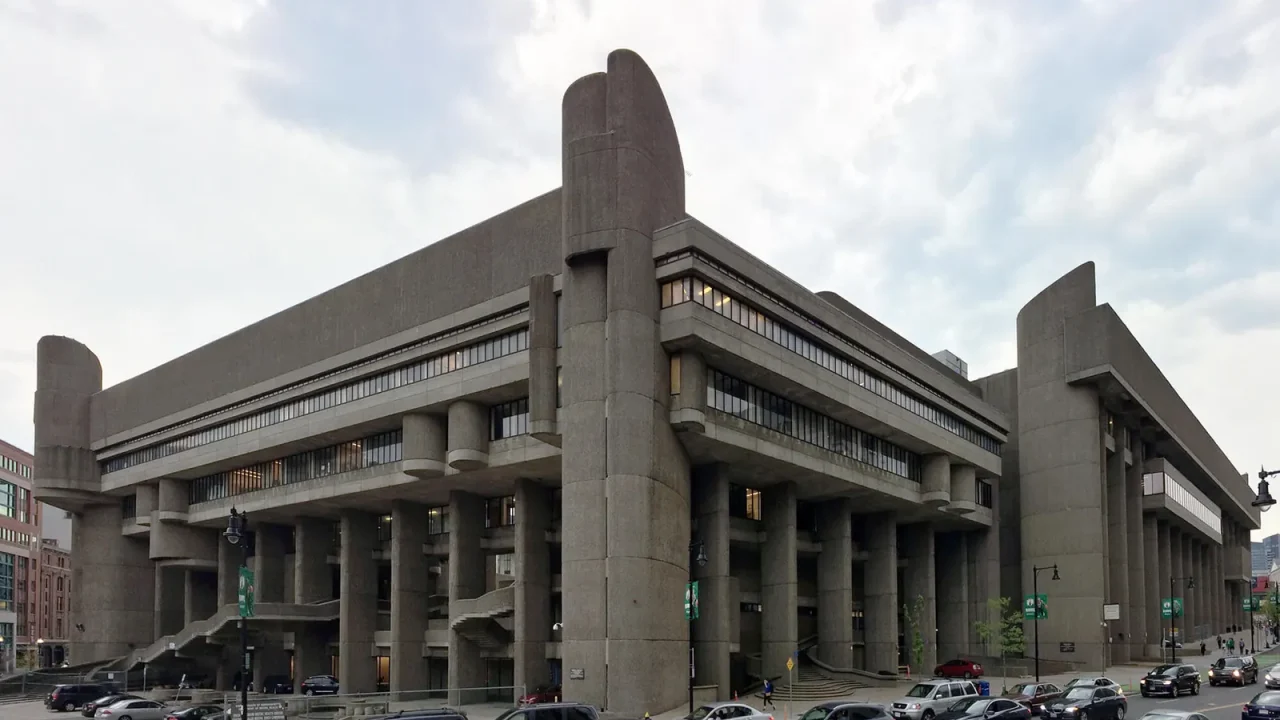
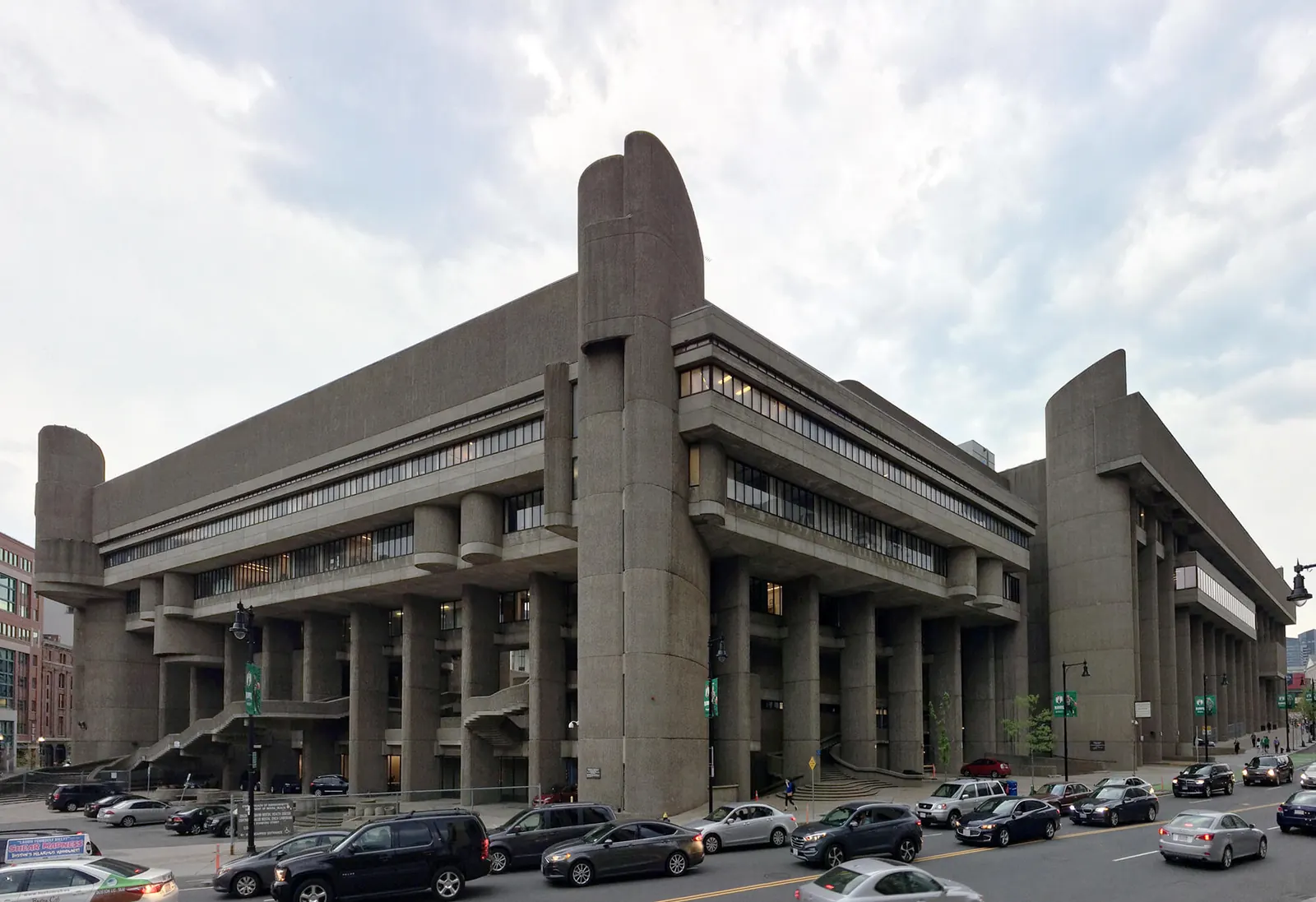
The Massachusetts Governor’s Office has officially opened the door for developers to reimagine the Lindemann and Hurley buildings, located within Boston’s Government Services Center, as much-needed housing. This initiative, spurred by the state’s Affordable Homes Act and evolving urban real estate dynamics, signals a significant shift in how iconic civic structures can be repurposed to address contemporary urban challenges.
A Shift in Purpose
Governor Maura Healey’s administration issued an Offering Memorandum on June 10th, inviting proposals for the adaptive reuse of the Charles F. Hurley Building and the Erich Lindemann Mental Health Center. This move follows the Governor’s initial expression of interest in converting the site to residential use in 2024 and accelerates the city’s efforts to combat office building vacancies by transforming them into homes. Mayor Michelle Wu’s administration has been a key proponent of such conversions, investing resources to revitalize downtown Boston.
Historic Structures, Modern Needs
The Lindemann and Hurley buildings, both constructed in 1971, were designed by notable architectural firms. The Hurley Building was a collaboration between Shepley Bulfinch Richardson & Abbott and Paul Rudolph, while the Lindemann Building featured design contributions from Desmond & Lord and Rudolph. Their transformation into housing will need to harmonize with their existing architectural significance.
Design Guidelines for Adaptive Reuse
Proposals submitted for the Lindemann-Hurley site must adhere to specific design guidelines established by the Division of Capital Asset Management and Maintenance (DCAMM). These guidelines, initially set in 2021 and updated in 2026 based on a 2020 Historic Preservation Report by Bruner/Cott Architects, emphasize complementing the buildings’ “monumental scale with additional elements at human scale.” They also call for activating ground-floor spaces and sidewalks, and enhancing the connectivity of the Central Courtyard to the surrounding city. The Governor’s office has affirmed that “historic preservation and adaptive reuse will be key considerations,” encouraging creative approaches to preserve architecturally significant aspects while improving community integration.
Responding to Market Realities
The pivot from potential office or lab space to housing reflects the economic shifts impacting Boston’s real estate market, particularly post-COVID-19. A 2025 DCAMM report highlighted the development potential of the site, acknowledging the challenges of high construction and borrowing costs. However, the report also indicated a potential for a more favorable development environment moving forward, making the current solicitation timely. The state previously issued a Request for Proposals (RFP) in 2022 for the complex, considering lab and office space, with renderings by NBBJ showcasing a mixed-use vision that included housing and parkland.
Community Engagement and Future Outlook
The current proposal solicitation aims to select a development partner by 2027. This initiative follows past discussions and, at times, controversy, notably in 2020 when city officials initially planned to demolish the complex, sparking public outcry and advocacy for its preservation, including arguments made by Chris Grimley, co-author of “Heroic: Concrete Architecture and the New Boston.” The emphasis on adaptive reuse and community integration suggests a more sensitive approach to the site’s future development.
Key facts
| Aspect | Detail |
| :—————— | :—————————————————————— |
| Project Location | Lindemann and Hurley buildings, Government Services Center, Boston |
| Initiating Body | Massachusetts Governor’s Office |
| Current Phase | Soliciting proposals from developers |
| Original Construction | 1971 |
| Lead Architect(s) | Shepley Bulfinch Richardson & Abbott, Paul Rudolph, Desmond & Lord |
| Target Completion | Development partner selected by 2027 |
This development is significant for Paionia7 readers as it showcases a forward-thinking approach to urban regeneration, blending architectural preservation with the pressing need for housing in a major metropolitan area. The conversion of prominent civic buildings into residential spaces offers a model for other cities grappling with similar challenges of underutilized modernist structures and housing shortages.
Source: The Architect’s Newspaper – https://www.archpaper.com/2026/06/massachusetts-lindemann-hurley-buildings-housing/
Datos clave
| Punto | Detalle |
|---|---|
| Fuente | The Architect's Newspaper |
| Fecha | 2026-06-15T18:41:02+00:00 |
| Tema | Massachusetts is soliciting proposals from developers to transform Boston’s Lindemann and Hurley buildings into housing |
Source
The Architect's Newspaper Original publication: 2026-06-15T18:41:02+00:00
Related news
Koto launches Haku, a mobile prefab hotel suite built on a wheeled chassis to bypass UK planning restrictions
UK architecture studio Koto has unveiled Haku, a fully mobile prefabricated suite that legally qualifies as a caravan, allowing landowners and hotel…
Read more
HONG Designworks Completes Private Office in Xi’an That Balances Memory, Materiality, and Long-Term Use
The Xi’an office by HONG Designworks integrates a folded steel staircase, retained furniture from a previous workspace, and a restrained purple-gray palette…
Read more
Handwoven Teak and Cord Outdoor Seating Debuts from Masaya and Abril Zepeda
Nicaraguan furniture brand Masaya has introduced two new handcrafted outdoor chairs — a rocking chair and a lounge chair — designed by…
Read more
Place in Mind: Hendricks Churchill Launches Hospitality Group to Revive Historic Properties
The architecture and interior design studio Hendricks Churchill has launched Place in Mind, a new hospitality group focused on acquiring, restoring, and…
Read moreRelated wiki

Adaptive Reuse in Architecture
Reference page for reuse, retrofit, conversion, embodied carbon and design constraints.
Read more