
CAT Electrifies Construction, Tesla Faces Scrutiny, and EV Training Focuses on the Future
A recent discussion highlights Caterpillar's commitment to electric construction equipment, contrasting with ongoing scrutiny of Tesla's Autopilot claims. The conversation also emphasizes the critical need for technician training in high-voltage EV systems.
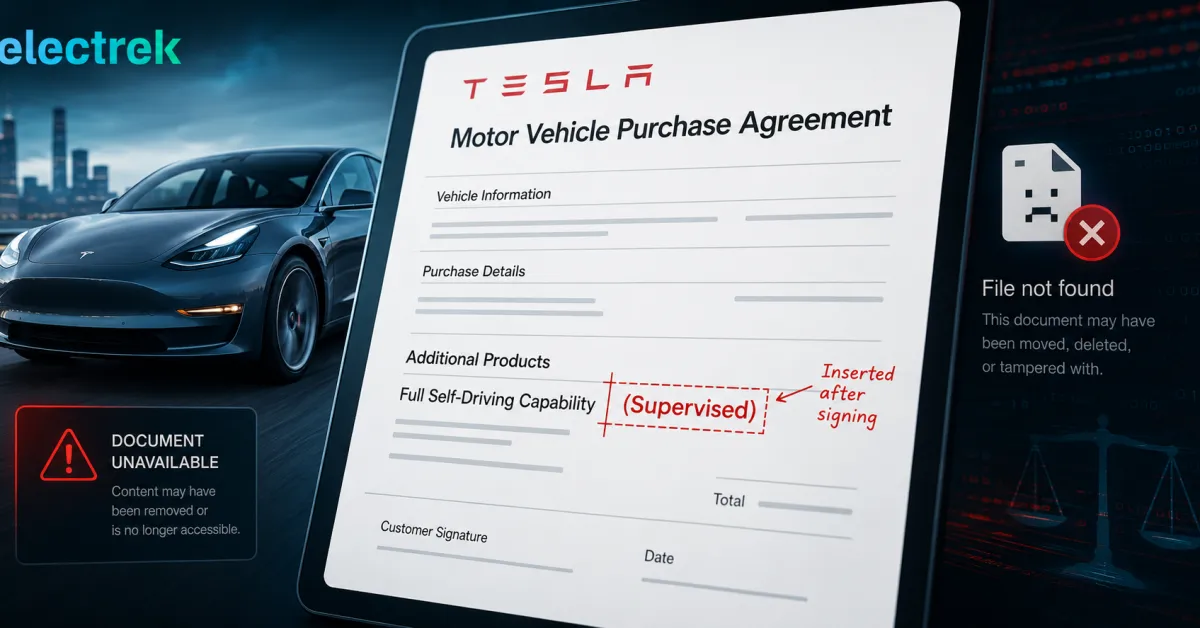
A recent discussion on the “Quick Charge” podcast, as reported by Electrek, brings attention to significant developments in the electric vehicle and energy sectors. Caterpillar (CAT) is actively pursuing electrification in the construction industry, positioning itself for a future where heavy machinery operates on clean energy. This is presented in contrast to ongoing scrutiny surrounding Tesla’s Full Self-Driving (FSD) technology, with allegations of potential fraud. Amidst these industry shifts, the podcast also underscores the urgent necessity of comprehensive training for technicians working with high-voltage electric vehicle systems and batteries.
Industry Shifts: CAT vs. Tesla
Caterpillar, a long-standing leader in heavy machinery, is making notable strides in electrifying its product line. This focus on electric construction equipment aligns with a broader industry trend towards sustainability and reduced emissions on job sites. The company’s commitment to this transition signals a significant shift in the future of construction, suggesting a move away from traditional fossil fuel-powered machinery.
In parallel, Tesla is reportedly facing challenges related to its FSD technology. The Electrek report touches upon claims that the company may be attempting to downplay or obscure evidence concerning alleged FSD fraud, potentially linked to a significant financial payout. This situation highlights the ongoing regulatory and public scrutiny that advanced driver-assistance systems face, particularly concerning their capabilities and marketing.
The juxtaposition of Caterpillar’s forward-looking electrification efforts with Tesla’s current legal and technological challenges paints a picture of a dynamic and evolving automotive and energy landscape. While one company is actively building an electric future for demanding industrial applications, the other is navigating complex issues surrounding its flagship technology.
The Importance of EV Technician Training
Beyond the product and corporate news, the discussion featured on “Quick Charge” emphasizes a critical, often overlooked, aspect of the electric revolution: the need for skilled technicians. As EV adoption accelerates, there is a growing demand for professionals equipped to handle the intricacies of high-voltage systems, battery technology, and the specialized maintenance and repair required for these advanced vehicles.
Tom Pacheco, a guest on the podcast, advocates for immediate and robust training programs for technicians. His perspective suggests that the fundamental differences between electric vehicles and their internal combustion engine counterparts are less significant than often perceived, implying that with proper training, existing automotive technicians can adapt to servicing EVs. This highlights a crucial bottleneck in the widespread adoption and maintenance of electric vehicles – the availability of a qualified workforce. Investing in such training is not just about keeping pace with technological change; it’s about ensuring the safety, reliability, and longevity of the electric vehicle fleet.
The 30% Home Solar Tax Credit
The report also briefly mentions the impending expiration of the 30% home solar tax credit. This incentive has been a significant driver for residential solar installations, making renewable energy more accessible and affordable for homeowners. Its potential lapse underscores the importance of policy and financial incentives in accelerating the adoption of sustainable energy solutions. For homeowners considering solar installations, acting before the credit’s expiration could lead to substantial savings, making renewable energy a more attractive investment.
Why This Matters for Paionia7 Readers
For the Paionia7 readership, these developments are highly relevant as they touch upon the intersection of technology, sustainability, and urban development. Caterpillar’s advancements in electric construction equipment signal a future where infrastructure projects can be undertaken with a lower environmental footprint. This has direct implications for urban planning, the sustainability of construction practices, and the development of green building technologies.
The ongoing dialogue surrounding Tesla’s FSD technology also speaks to the broader conversation about autonomous systems and their integration into our cities and transportation networks. Understanding the challenges and scrutiny faced by such technologies is crucial for informed discussions about future urban mobility and smart city initiatives.
Furthermore, the emphasis on EV technician training highlights the infrastructural and human capital requirements necessary to support a widespread transition to electric mobility. This is a critical factor for cities aiming to reduce emissions and improve air quality, as well as for the economic development associated with the green technology sector. The solar tax credit reminder also connects to the growing importance of distributed energy resources and the role of policy in enabling a sustainable energy future.
Datos clave
| Aspect | Detail |
|—|—|
| Caterpillar’s Focus | Electrification of construction equipment. |
| Tesla’s Situation | Scrutiny over Full Self-Driving (FSD) technology. |
| Training Need | Urgent requirement for high-voltage EV technician training. |
| Solar Incentive | Approaching expiration of 30% home solar tax credit. |
The developments surrounding Caterpillar’s electric commitment and the critical need for EV technician training are key indicators of the ongoing transition towards a more sustainable and technologically advanced future. These shifts will undoubtedly shape the landscape of construction, transportation, and energy for years to come.
Fuente: electrek.co, https://electrek.co/2026/06/04/tesla-erases-the-past-cat-electrifies-the-future-and-ev-tech-training-today/
Datos clave
| Punto | Detalle |
|---|---|
| Fuente | electrek.co |
| Fecha | 2026-06-05T01:55:00+00:00 |
| Tema | Tesla erases the past, CAT electrifies the future, and EV tech training TODAY |
Source
electrek.co Original publication: 2026-06-05T01:55:00+00:00
Related news

Biomorphic Sculpture Anchors Choux Flagship Store in Moscow by Elena Lokastova
Architect Elena Lokastova designs a two-level retail interior for fashion brand Choux in Moscow, where a gold bean-shaped sculpture and a white…
Read more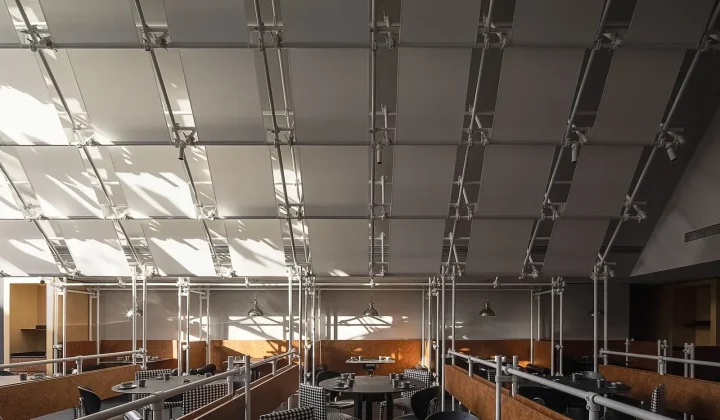
Scaffolding as Interior Architecture: Adaptable Systems Challenge the Divide Between Temporary and Permanent
A new article by Jonathan Yeung examines how modular scaffolding systems, from steel frames to Dieter Rams’ shelving, demonstrate that longevity in…
Read more
MIV Architects Proposes Wetland Pavilion That Prioritizes Non-Human Habitats Over Human Comfort
The Spanish firm’s “Nidos de Agua” concept for the Albufera natural park in Valencia aims to rebalance the relationship between building and…
Read more
Nelson Byrd Woltz Begins Construction on Restorative Eagle Courtyard at Walter Reed Medical Center
Construction has started on a redesigned Eagle Courtyard at Walter Reed National Military Medical Center, led by Nelson Byrd Woltz Landscape Architects.…
Read moreRelated wiki

Adaptive Reuse in Architecture
Reference page for reuse, retrofit, conversion, embodied carbon and design constraints.
Read more