
The Caudron Rafale C.460: A 1930s Racing Plane of Elegant Design and Engineering
A 1934 racing plane designed by Marcel Riffard, the Caudron Rafale C.460 combined a slender plywood fuselage, a Renault engine, and record-breaking speed. A painstakingly restored replica now flies again, connecting modern audiences with interwar aeronautical design.
By Paionia7 Design Culture Desk
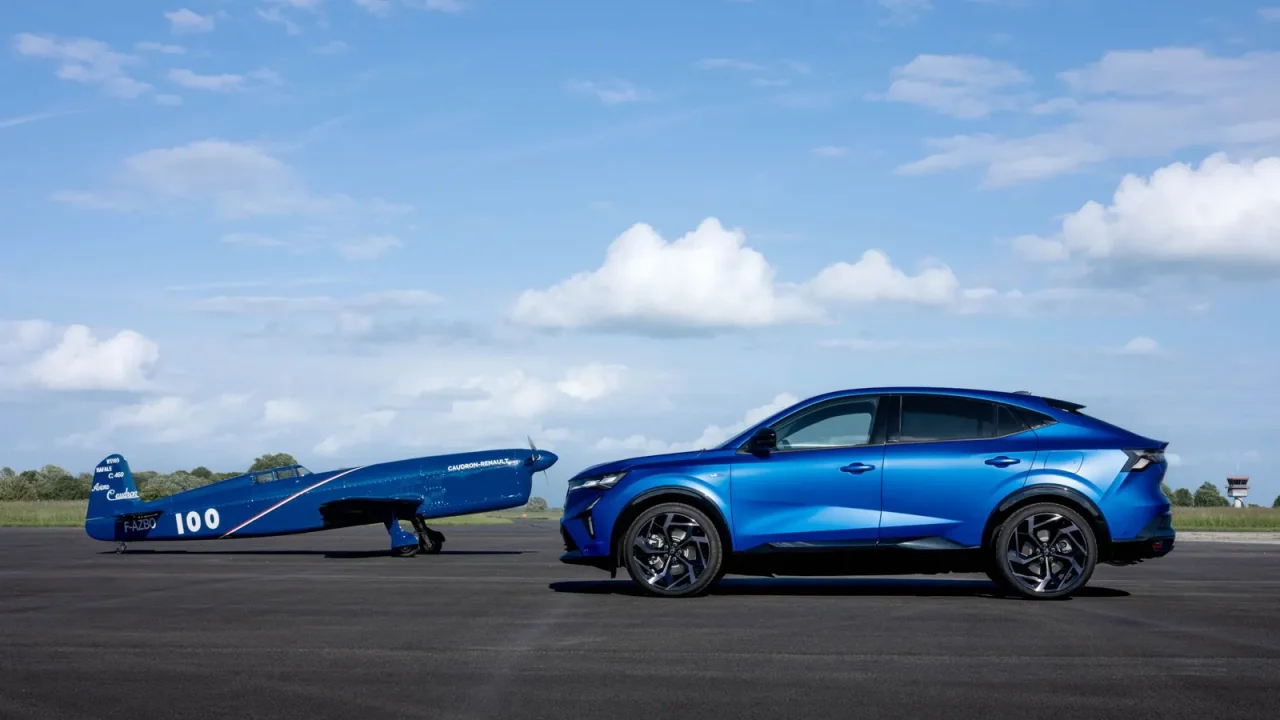
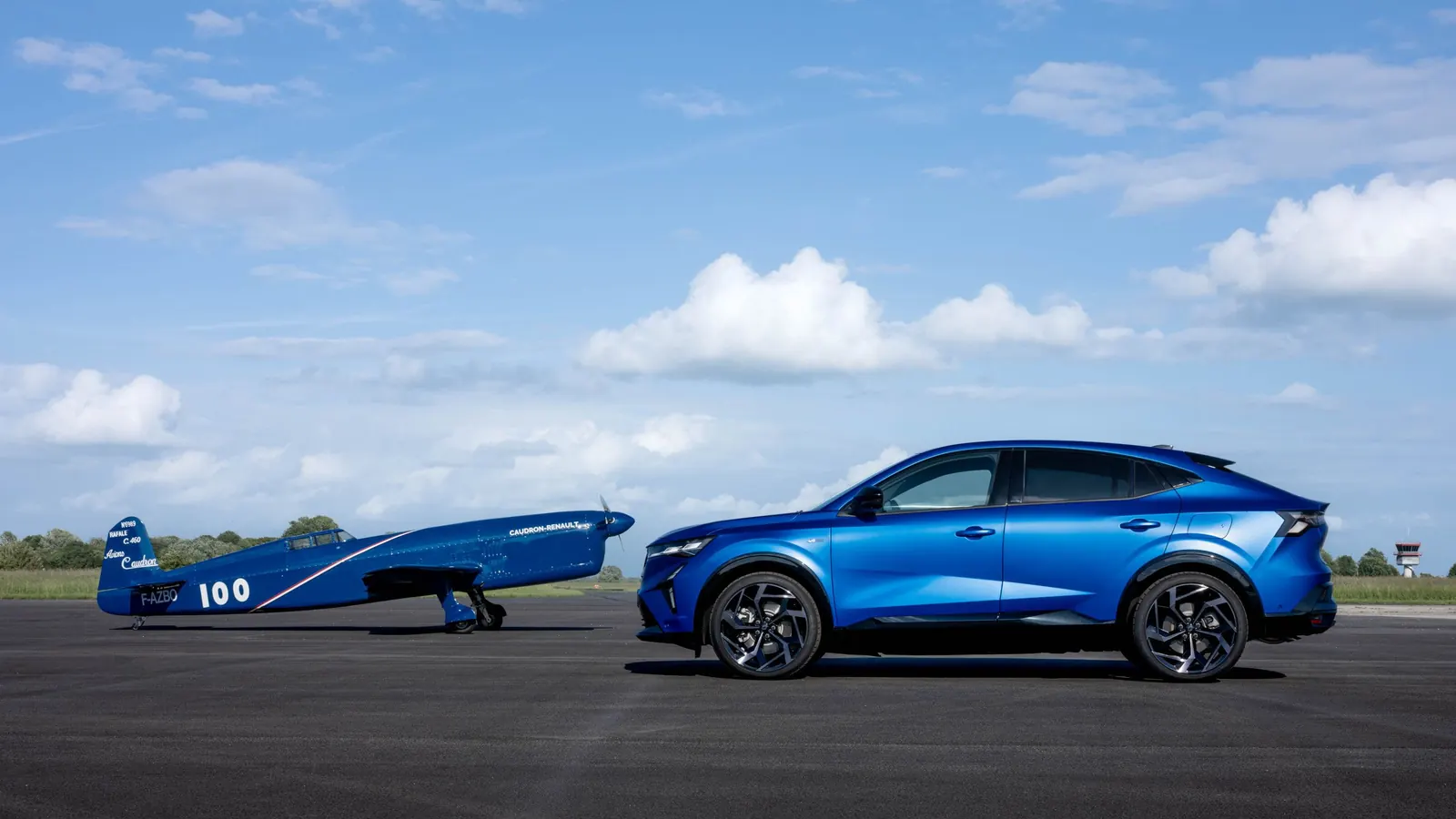
A 1934 racing plane designed by Marcel Riffard, the Caudron Rafale C.460, exemplifies the streamlined elegance of interwar aviation design. Powered by a Renault engine, the aircraft set speed records in the Coupe Deutsch de la Meurthe race and was flown by legendary aviators including Hélène Boucher. Today, a painstakingly restored replica takes to the skies at French airshows, preserving a rare piece of aeronautical and industrial design history.
Design and Engineering
The Rafale C.460 is a study in aerodynamic purity. Its fuselage, fashioned from spruce and birch plywood over a lightweight structure, is astonishingly slender. Magnesium components reduce weight, while an inverted engine and retractable landing gear eliminate unnecessary drag. The canopy barely disturbs the aircraft’s silhouette, almost submerged within its spine. The result is a machine that looks like it is moving even when stationary.
Riffard, who had designed the first all-metal aircraft in 1910, brought his experience with lightweight structures to the Rafale. The plane was built for speed, specifically for the 300 km Coupe Deutsch de la Meurthe race held near Etampes and Chartres, south of Paris. The colour Bleu de France transformed the aircraft into a national icon.
| Key facts | |
|---|---|
| Designer | Marcel Riffard |
| Builder | Caudron (acquired by Renault in 1933) |
| Engine | Air-cooled, supercharged Renault 6Q inverted six-cylinder, 325 bhp (later 365 bhp) |
| First flight | 1934 |
| Top speed | 32 mph (505.8 km/h) set by Raymond Delmotte on 25 December 1934 |
| Number built | 1 C.450, 3 C.460 (all lost during WWII) |
| Current status | Modern replica flying; original drawings lost |
Racing Legacy
The Rafale quickly became a record-breaker. Legendary aviators Maurice Arnoux, Raymond Delmotte, and Hélène Boucher all flew variants. Boucher, one of the most famous female pilots of the era, set a class record of 284 mph in a C.450. Delmotte later beat that in the upgraded C.460 (with retractable wheels) by reaching 314.32 mph on Christmas Day 1934. He went on to win the Coupe Deutsch de la Meurthe in May 1935 at an average speed of 277.5 mph.
The aircraft’s original engine was an air-cooled, supercharged 8-litre Renault 6Q inverted six-cylinder producing 325 bhp. For Delmotte’s record attempt, displacement was enlarged to 9.5 litres, boosting output to 365 bhp and driving a Ratier two-position variable-pitch propeller.
Restoration and Modern Relevance
None of the original C.450 or C.460 airframes survive. All design plans were lost during the Second World War. The aircraft flown today is a modern replica, built and restored over two years by Aéro Restauration Service in Dijon under Renault’s supervision. Pilot and chief restorer Bruno Ducreux describes it as a challenging but rewarding machine: “You need a lot of power to keep it flying. There is no visibility because you sit really at the back. The cockpit is very tight and you can’t really move your head. It lands very fast, at 160 km/h. However, it’s very controllable and fun to fly.”
The replica now appears at French airshows, connecting audiences with a masterpiece of interwar design. After its display career, it will become part of Renault’s future heritage museum at Flins, Les Collections, scheduled to open in 2027.
The Rafale name also lives on in a contemporary Renault model: the midsize hybrid crossover Rafale. While the car does not mimic Riffard’s streamliners, the name evokes the same spirit of innovation and speed.
For readers of Paionia7, this story underscores how design principles of aerodynamics, material efficiency, and structural clarity transcend disciplines. The Rafale C.460 stands as a reminder that the best transport design—whether for land or air—is a synthesis of art, engineering, and purpose.
Source: Wallpaper – “When Renault took to the sky: revisiting the elegant 1930s Caudron Rafale racing plane” (https://www.wallpaper.com/transportation/renault-1930s-caudron-rafale-racing-plane)
Source
Wallpaper Original publication: 2026-07-26T17:46:07+00:00
Related news
Augmental MouthPad Public Sales Bring Tongue-Controlled Cursor to US Users
The San Francisco startup Augmental opens public sales of its hands-free MouthPad, a custom-fit dental retainer that turns tongue gestures into cursor…
Read more
Artist-Designed Ping-Pong Tables Turn Rockaway Beach Into a Playground of Unpredictability
Six ping-pong tables rise from the sand at Rockaway Beach, each modified to disrupt the game. The Public Art Fund exhibition ‘Between…
Read more
How to Read UIA 2026 for Real Projects: Climate, Materials, and Delivery
Without confirmed programme details, UIA 2026 is best read as a signal-setting event. Here is how to turn conference talk on climate,…
Read more
Macchiato Pocket Park Turns a London Street Corner into a Public Gathering Space
OUT Architecture’s Macchiato Pocket Park, installed for the London Festival of Architecture 2026, reclaims a small corner on Petticoat Lane as a…
Read moreRelated wiki

Adaptive Reuse in Architecture
Reference page for reuse, retrofit, conversion, embodied carbon and design constraints.
Read more