Cenit Lighting Collection Combines Cultivated Cellulose with Natural Ash and Stainless Steel
Polybion and Natural Urbano launch Cenit, a family of pendant and table lamps that use Celium Manto, a cultivated cellulose grown from fruit waste, combined with layered ash and stainless steel. The collection translates horizon-inspired light into a suspended horizontal form.
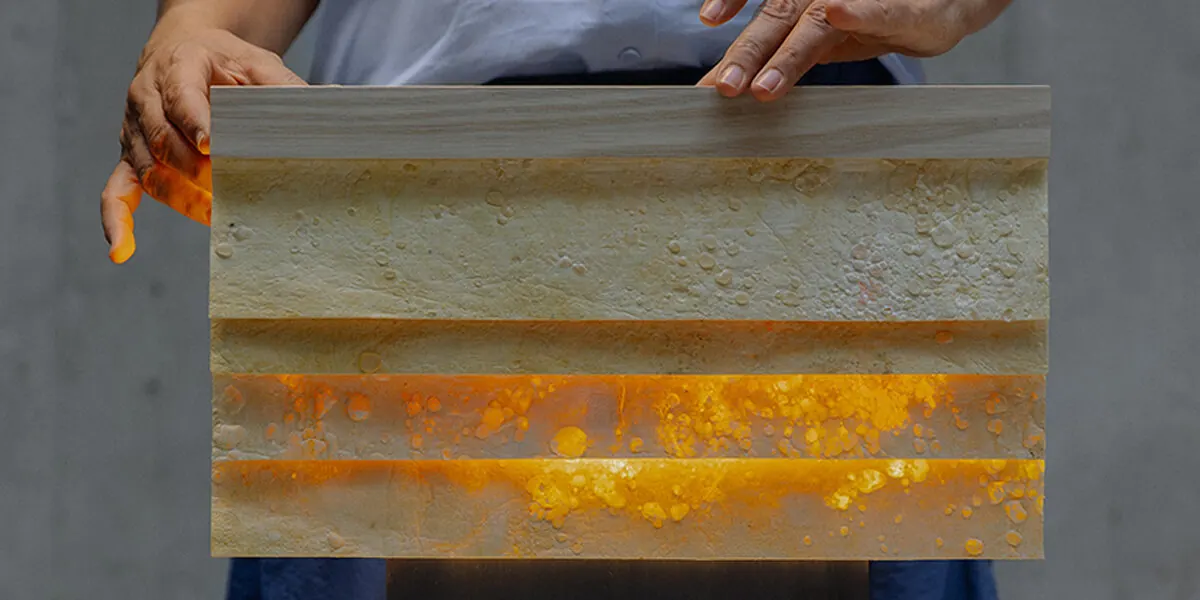
Biotechnology company Polybion and design studio Natural Urbano have introduced Cenit, a new family of lighting objects that combine cultivated cellulose, natural ash, and stainless steel. The collection, which includes pendant and table formats, explores how biobased materials can be used in contemporary interior lighting while maintaining a distinct visual character.
The name Cenit refers to the highest point in the sky relative to an observer, and the lamps translate this idea into a horizontal line of light suspended within a space. The design draws inspiration from golden horizons and the linear compositions of the 1970s, according to the studios.
Por que importa
Cenit marks the first collaboration between Polybion and Natural Urbano. It follows Polybion’s earlier release of Lapso, a sculptural piece that also used the company’s cultivated cellulose material, Celium Manto. While Lapso was conceived as a statement object, Cenit extends the same material exploration into a more versatile family of lighting for different scales and applications.
A key distinguishing feature of the Cenit collection is the use of Celium Manto as the lampshade. Celium is a premium cultivated cellulose grown by feeding bacteria with agro-industrial fruit waste. Because the material is grown through a biological process rather than manufactured through conventional extraction, each sheet develops subtle variations in tone, density, and surface expression. These differences remain visible in the finished lamps, contributing to their visual and atmospheric qualities.
Contexto
The translucent nature of Celium Manto allows it to filter light into a warm, atmospheric glow. For the table lamp version, an alternative material option is available: Celium Keros or Espumante, which introduces a denser, more textured appearance.
The structure of each lamp is built around a layered natural ash spine. Thin sheets of ash are pressed and nailed together to form the frame. The Celium Manto shade is positioned between four ash layers on each side—eight layers total—and secured using the same pressed and nailed construction method. This approach leaves the cultivated cellulose visible across the light-filtering surface, while the stainless steel components provide additional support and a clean, modern contrast.
Que sigue
The pendant version uses a horizontal composition that evokes a suspended horizon, while the table lamp translates the same layered material language into a smaller, more compact format. Both versions are designed to bring the material qualities of cultivated cellulose into everyday interior settings.
Each Cenit lamp is produced to order, with an estimated delivery time of five weeks. The collection is available through Natural Urbano’s website and the Vibe Lab / Polybion Shopify store.
The design team includes Lorena Márquez and Sebastián Beltrán from Natural Urbano, with collaborating team members Axel Gómez-Ortigoza and Alexis Gómez-Ortigoza from Polybion. The project was submitted to Designboom through the magazine’s DIY submissions feature.
For readers interested in sustainable materials and biobased design, the Cenit collection demonstrates how cultivated cellulose can be integrated into functional lighting without sacrificing aesthetic quality. The use of fruit waste as a feedstock for bacterial growth offers a closed-loop approach that reduces reliance on mined or synthetic materials. The combination of ash wood, stainless steel, and cultivated cellulose also highlights the potential for hybrid construction methods that pair traditional craftsmanship with modern biotechnology.
| Key facts |
|---|
| Product |
| Materials |
| Designers |
| Availability |
Source: Designboom – Cultivated cellulose and layered ash shape series of horizon-inspired lighting (https://www.designboom.com/design/cultivated-cellulose-layered-ash-horizon-inspired-lighting-polybion-natural-urbano-cenit/)
Source
Designboom Original publication: 2026-07-26T10:55:04+00:00
Related news
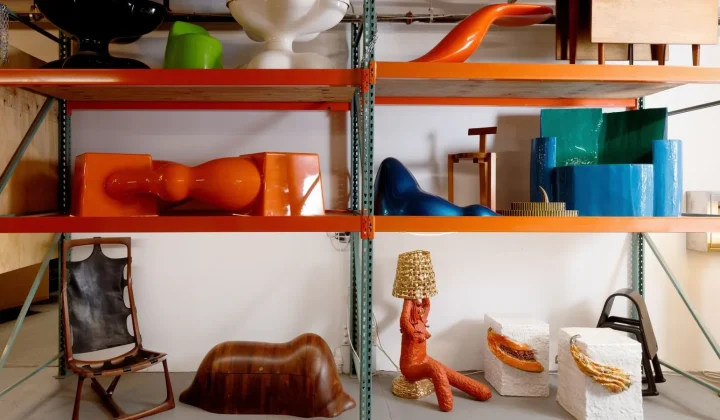
R & Company Opens Its Brooklyn Archive to the Public, Revealing 10 Rare Design Finds
The celebrated design gallery R & Company has opened its 16,000 sq ft storage facility, Building 86, in the Brooklyn Navy Yard…
Read more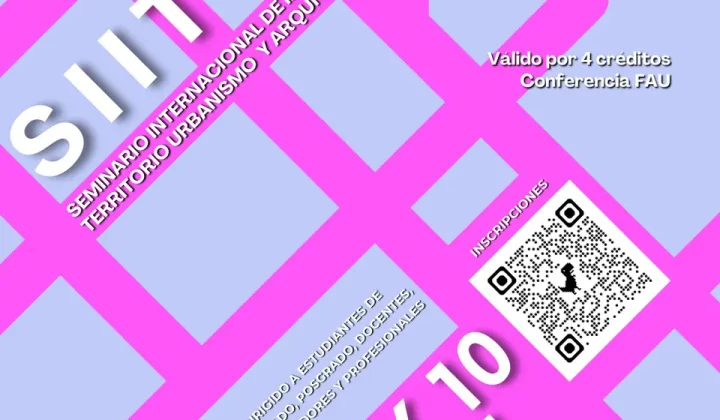
SIITUA III to Gather International Researchers on Territory, Urbanism, and Architecture in Lima
The third edition of the International Seminar on Research in Territory, Urbanism, and Architecture (SIITUA III) will take place in Lima, organized…
Read more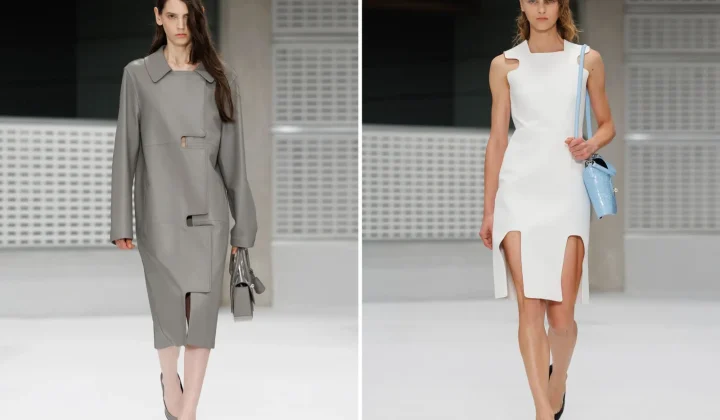
Christopher Kane brings streamlined, heritage-driven vision to Mulberry in London Fashion Week debut
The Scottish designer presented his first collection for the British leather goods house at London Fashion Week, blending sharp tailoring, archival references…
Read more
When Film Directors Become Interior Designers: Guadagnino, Lynch, Anderson and Almodóvar Step Off Screen
From Luca Guadagnino’s Zara Home collection to David Lynch’s Paris club and Wes Anderson’s train carriage, a wave of collaborations is blurring…
Read moreRelated wiki

Adaptive Reuse in Architecture
Reference page for reuse, retrofit, conversion, embodied carbon and design constraints.
Read more