Community Design Collaborative Celebrates 35 Years of Pro Bono Service in Philadelphia
Philadelphia's Community Design Collaborative marks 35 years of transforming neighborhoods through pro bono design work, while facing new challenges in sustaining civic engagement in a digitally isolated world.
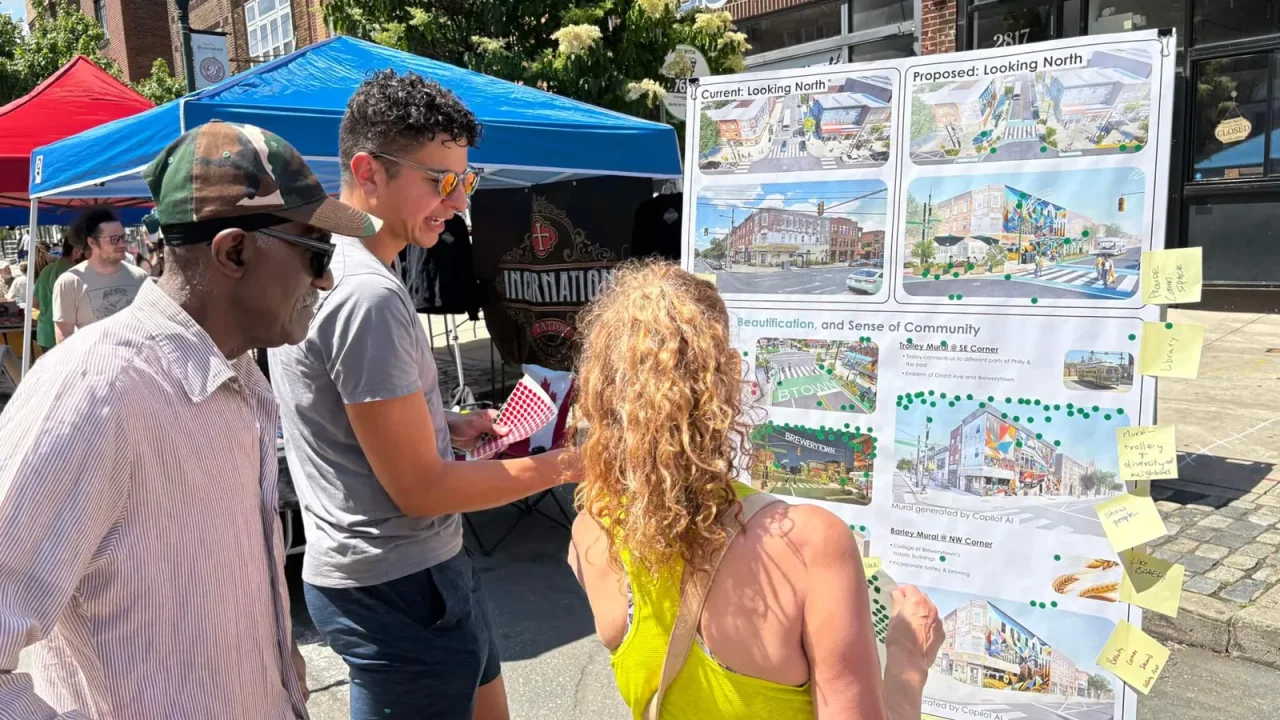
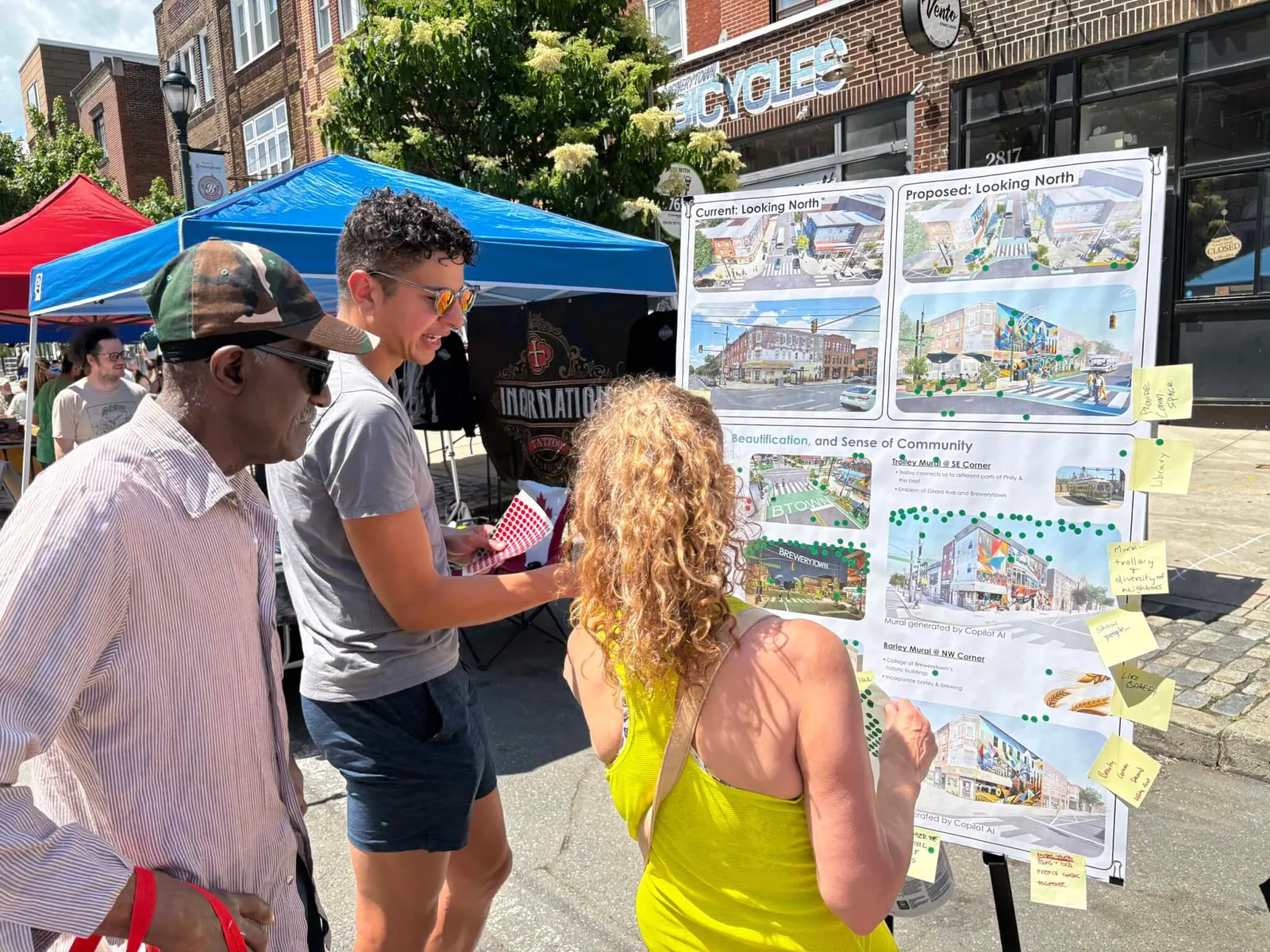
Philadelphia’s Community Design Collaborative (CDC) is celebrating its 35th anniversary, a milestone that coincides with the United States’ upcoming 250th birthday. For over three decades, the CDC has been instrumental in revitalizing Philadelphia’s neighborhoods through dedicated pro bono design services, channeling millions of dollars of expertise into community-led projects.
However, as the CDC reflects on its achievements, it also confronts a significant contemporary challenge: the erosion of traditional civic engagement in an increasingly digital world. This situation prompts a critical examination of how to sustain a model built on in-person collaboration when the fabric of community life is fraying.
Sustaining Pro Bono Impact
The CDC has facilitated a vast network of volunteer professionals, including architects, planners, landscape architects, engineers, interior designers, and cost estimators. In the past year alone, over 70 such professionals donated their expertise to help local nonprofits advance projects that strengthen neighborhoods. This collective effort translates into hundreds of thousands of pro bono service hours annually, injected directly into community-driven initiatives.
Over its 35-year history, thousands of design professionals have contributed their skills to help grassroots organizations translate abstract ideas into tangible, public-serving spaces. The results are evident across Philadelphia, manifesting as improved schools, parks, community centers, affordable housing developments, and other vital neighborhood anchors. The CDC’s success underscores a fundamental truth: design is a potent catalyst for community change, contingent on the willingness of individuals to invest their time, expertise, and energy in one another.
Navigating Digital Isolation
The CDC’s core methodology relies on bringing people together physically. Yet, current societal trends present a formidable obstacle. Confidence in civic institutions has waned, public participation has become more fragmented, and community engagement often feels like an uphill battle. The shift in how people relate to work, time, and community has fundamentally altered the landscape for organizations like the CDC.
While overall volunteer rates have shown resilience post-pandemic, the number of hours individuals contribute has declined. The rise of remote work, with nearly a quarter of the population working from home, has weakened the tangible connections to shared physical spaces. The recent federal survey even registered virtual volunteer hours, indicating that 18 percent now volunteer online.
For younger professionals, the landscape has also changed. The escalating cost of living, substantial student debt, and the blurring of work and personal life leave limited bandwidth for long-term volunteer commitments. While people remain deeply committed to their communities, their available time is more constrained. Consequently, organizations can no longer assume automatic participation. Engagement now demands greater flexibility, stronger incentives, and a clear demonstration of impact.
The Friction of Face-to-Face Engagement
This shift creates significant friction for community design, a field that is inherently visceral and localized, depending heavily on face-to-face interaction. Success is measured by the numbers gathering in community spaces to share insights and build trust through slow, often underfunded, conversations. In an era dominated by social media, remote work, and digital convenience, convincing people to participate in person is a major operational hurdle.
Currently, typical CDC projects draw an average of 75 people to in-person workshops, compared to about 30 community members and volunteers for online conversations. This represents a decrease of approximately 30 percent from previous engagement levels. The phrase “touch grass,” popularized as a call to disconnect from screens and reconnect with physical reality, is not a metaphor for community design; it is the essence of the work.
This challenge is particularly acute in under-resourced and immigrant communities, where language barriers, financial strain, and systemic distrust can hinder public participation. Culturally responsive engagement and professional translation services are costly and often underfunded, further complicating the effort to keep community voices central to civic development.
A Case in Point: Zion Baptist Church
A recent project in North Philadelphia exemplifies both the immense promise and the inherent complexity of the CDC’s approach. In early 2025, Zion Baptist Church broke ground on the Rev. Leon H. Sullivan Community Impact Center, an $18 million project transforming its historic annex into a modern hub for community wellbeing. This achievement was the culmination of years of exhaustive planning, deep community listening, complex fundraising, and multi-sector partnerships. More than 200 design professionals contributed hundreds of volunteer hours to bring this vision to fruition, highlighting the tangible impact of sustained pro bono commitment.
Key facts
| Aspect | Detail |
|—|—|
| Organization | Community Design Collaborative (CDC) |
| Anniversary | 35 years |
| Location | Philadelphia |
| Focus | Pro bono design services for community projects |
| Current Challenge | Sustaining in-person civic engagement in a digital age |
The CDC’s ongoing work demonstrates that while the methods of engagement may need to adapt, the core value of community-driven design remains a powerful force for positive change in urban environments. The organization’s ability to navigate the evolving landscape of volunteerism and participation will be crucial for its continued impact.
Source: The Architect’s Newspaper, https://www.archpaper.com/2026/07/philadelphia-community-design-collaborative-turns-35/
Datos clave
| Punto | Detalle |
|---|---|
| Fuente | The Architect's Newspaper |
| Fecha | 2026-07-02T19:47:37+00:00 |
| Tema | Philadelphia’s Community Design Collaborative turns 35 and continues to care deeply about finding time for community wor |
Source
The Architect's Newspaper Original publication: 2026-07-02T19:47:37+00:00
Related news
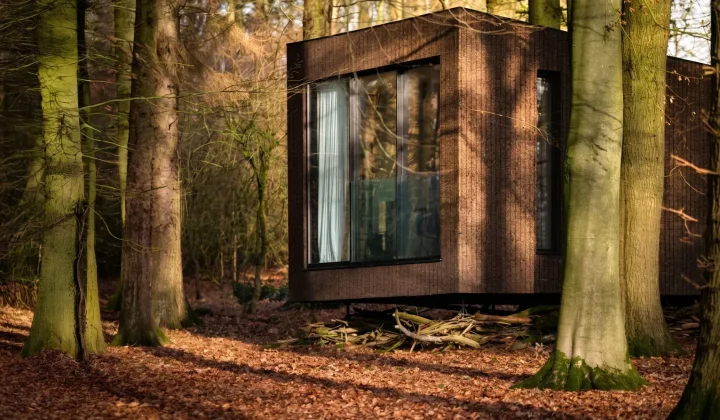
Koto launches Haku, a mobile prefab hotel suite built on a wheeled chassis to bypass UK planning restrictions
UK architecture studio Koto has unveiled Haku, a fully mobile prefabricated suite that legally qualifies as a caravan, allowing landowners and hotel…
Read more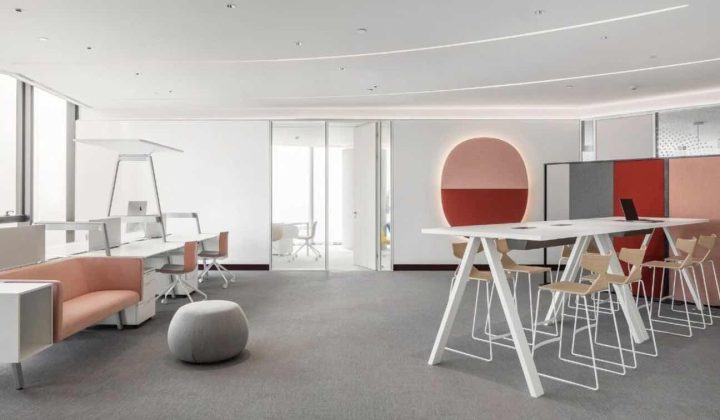
HONG Designworks Completes Private Office in Xi’an That Balances Memory, Materiality, and Long-Term Use
The Xi’an office by HONG Designworks integrates a folded steel staircase, retained furniture from a previous workspace, and a restrained purple-gray palette…
Read more
Handwoven Teak and Cord Outdoor Seating Debuts from Masaya and Abril Zepeda
Nicaraguan furniture brand Masaya has introduced two new handcrafted outdoor chairs — a rocking chair and a lounge chair — designed by…
Read more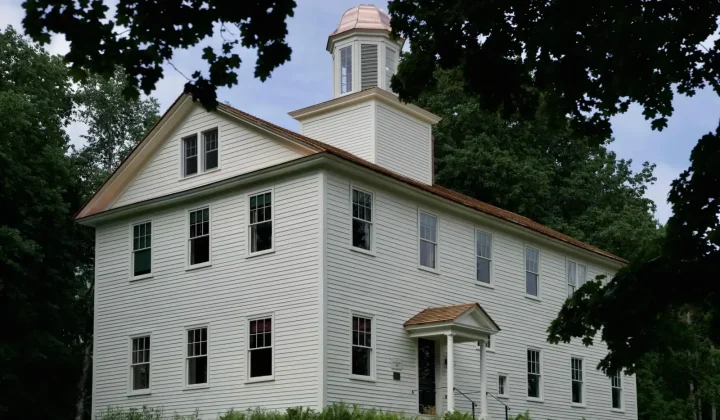
Place in Mind: Hendricks Churchill Launches Hospitality Group to Revive Historic Properties
The architecture and interior design studio Hendricks Churchill has launched Place in Mind, a new hospitality group focused on acquiring, restoring, and…
Read moreRelated wiki
Adaptive Reuse in Architecture
Reference page for reuse, retrofit, conversion, embodied carbon and design constraints.
Read more