Florida’s Evolving Roofing Codes: What Homeowners Need to Know for Replacements
Florida's stringent roofing codes, particularly in hurricane-prone areas like Brevard County, are evolving. Homeowners planning roof replacements must understand enhanced requirements for underlayment, deck attachment, and material approval to ensure compliance, safety, and potential insurance discounts.
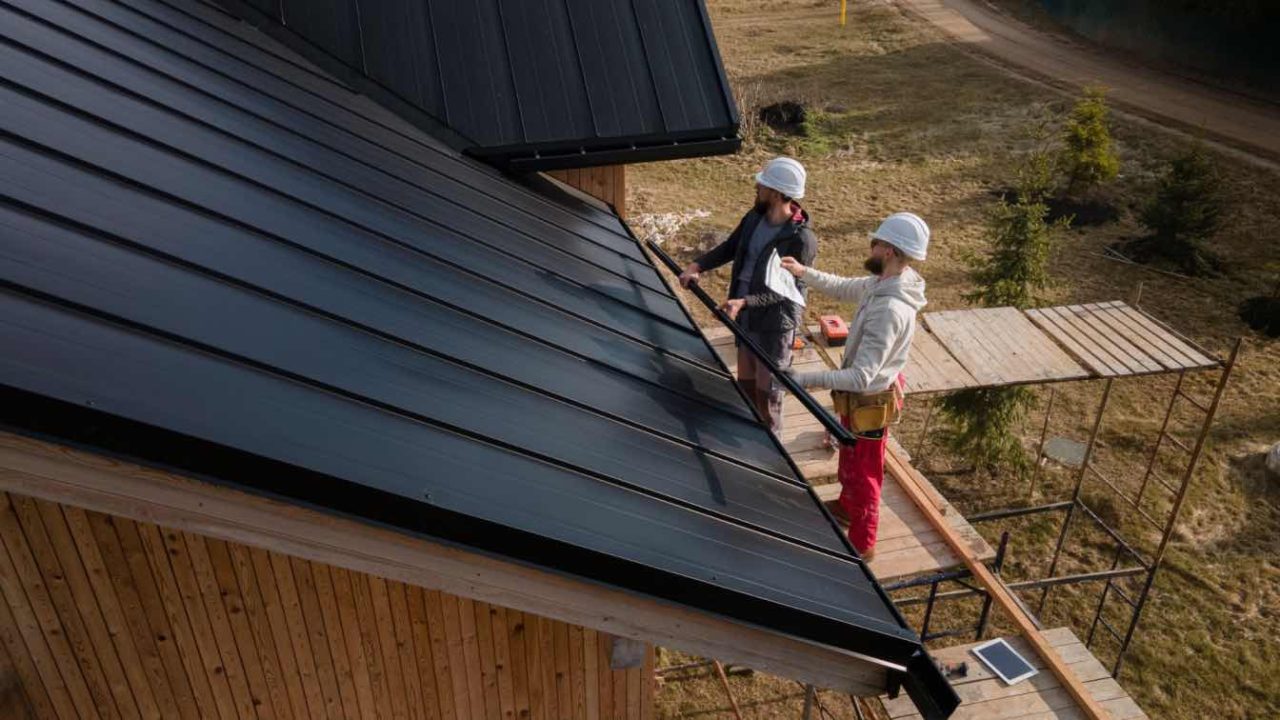
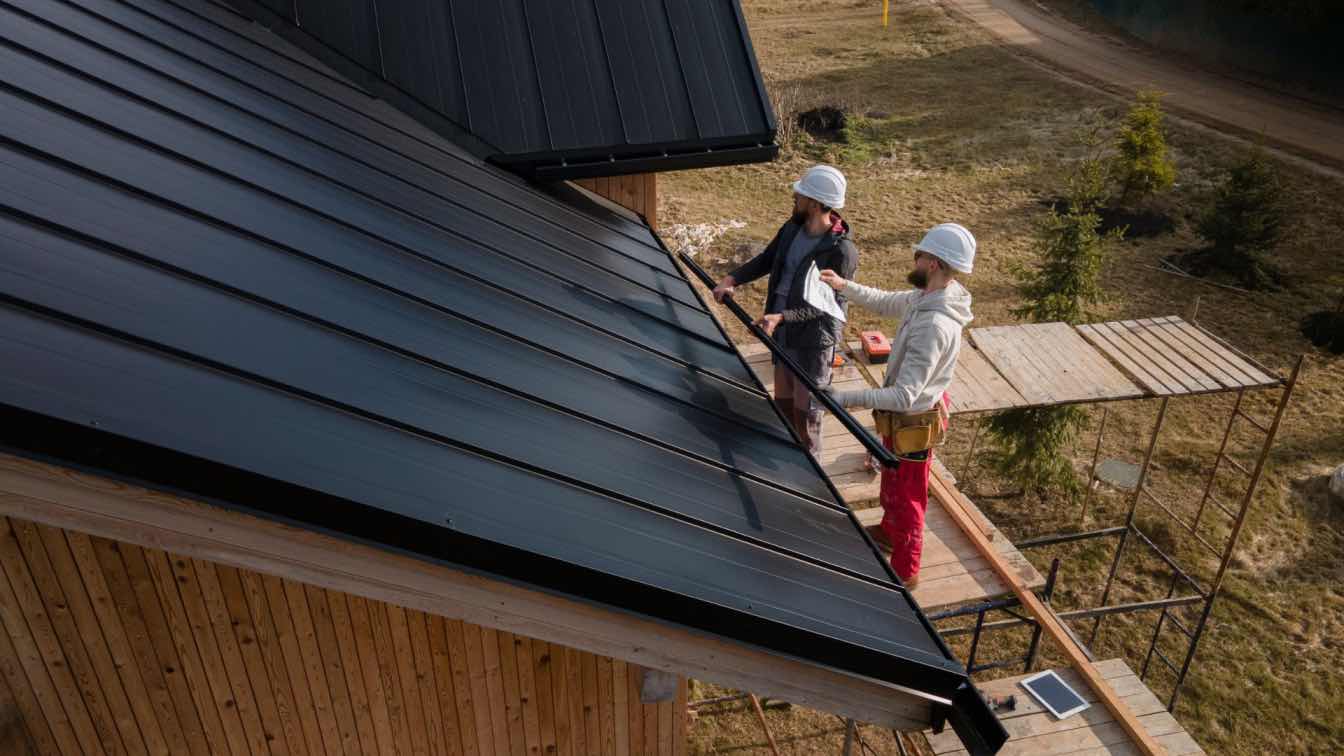
Florida’s roofing codes are among the strictest in the nation, a necessity given the state’s vulnerability to hurricanes and severe weather. For homeowners in areas like Rockledge and along the Space Coast, understanding these regulations is crucial when planning a roof replacement. The codes are not static; they are updated approximately every three years, incorporating lessons learned from past storm seasons and advancements in roofing technology. The current framework is the 8th Edition, with the 9th Edition anticipated by the end of 2026.
Brevard County, home to Rockledge, falls within a wind-borne debris region, necessitating enhanced requirements beyond those for less exposed inland areas. This distinction directly influences the specific underlayment, fastening methods, and material approvals applicable to a property. A roofer unfamiliar with these localized nuances might propose a roofing system that, while seemingly adequate, fails to meet the precise code for a given address.
Key Requirements for Florida Roof Replacements
Several requirements are consistently mandated across Florida for any roof replacement, irrespective of the specific locale. Enhanced underlayment is a prominent example. Higher wind-speed zones now require self-adhering or sealed underlayment systems, a significant upgrade from the older practice of simply stapling down felt paper.
Roof deck attachment is another critical area where codes have tightened. Wind zones dictate stricter nail count and spacing requirements. A frequent violation cited by contractors involves under-nailing shingles in relation to the wind zone’s demands.
Furthermore, roof-to-wall connections are subject to scrutiny. While hurricane straps and clips are standard for new construction, reroofing projects may necessitate an evaluation of these structural connections if they are exposed during the work.
Material approval is the final piece of the puzzle. Every roofing product installed must possess a Florida Product Approval number, certifying its suitability for the wind conditions in the designated zone.
The 25% Rule and Insurance Benefits
A detail that often surprises homeowners is that if repair work affects more than 25% of the roof’s total area within a 12-month period, Florida code mandates that the entire roof must be brought up to current code standards. This means a series of smaller repairs, intended as temporary fixes after storm damage, can inadvertently trigger the requirement for a full code-compliant replacement.
Beyond physical protection, adhering to code offers tangible financial advantages. A certified wind mitigation inspection, which documents features such as roof-to-wall connections, deck attachment methods, and roof shape, can qualify homeowners for significant discounts on their insurance premiums. In some instances, these savings can substantially offset the long-term cost of the roof replacement. However, many homeowners who undertake compliant work fail to complete the necessary paperwork to claim these discounts, missing an important opportunity.
Insurers are also increasingly scrutinizing the age of roofs, with some imposing coverage restrictions or requiring inspections for roofs exceeding 15 to 20 years old.
Documentation and Local Expertise
Maintaining thorough documentation of permits, inspections, and material approvals from a roof replacement is not merely a procedural step. It serves as vital protection for homeowners when filing insurance claims or selling their property.
Given the variability of wind zone requirements, even between adjacent counties, selecting a roofer with specific knowledge of local code requirements, such as those in Brevard County, is paramount. A generic statewide approach is insufficient. A reputable contractor should manage the permitting process, clearly explain the underlayment and fastening systems to be employed, and provide comprehensive documentation for both code compliance and insurance purposes. Engaging local expertise, such as that offered by contractors familiar with the specific demands of the region, is a critical step in ensuring a successful and compliant roof replacement.
Key Facts
| Aspect | Detail |
|—|—|
| Current Florida Building Code Edition | 8th Edition |
| Next Florida Building Code Update | 9th Edition (expected late 2026) |
| Brevard County Requirement | Enhanced wind-borne debris region requirements |
| Trigger for Full Code Compliance | Repairs affecting >25% of roof area in 12 months |
| Insurance Benefit | Potential discounts via wind mitigation inspection |
Source: Amazing Architecture – What Florida’s Roofing Codes Mean for Homeowners Planning a Roof Replacement (https://amazingarchitecture.com/articles/what-floridas-roofing-codes-mean-for-homeowners-planning-a-roof-replacement)
Datos clave
| Punto | Detalle |
|---|---|
| Fuente | Amazing Architecture |
| Fecha | 2026-07-01T22:43:11+00:00 |
| Tema | What Florida's Roofing Codes Mean for Homeowners Planning a Roof Replacement |
Source
Amazing Architecture Original publication: 2026-07-01T22:43:11+00:00
Related news

Koto launches Haku, a mobile prefab hotel suite built on a wheeled chassis to bypass UK planning restrictions
UK architecture studio Koto has unveiled Haku, a fully mobile prefabricated suite that legally qualifies as a caravan, allowing landowners and hotel…
Read more
HONG Designworks Completes Private Office in Xi’an That Balances Memory, Materiality, and Long-Term Use
The Xi’an office by HONG Designworks integrates a folded steel staircase, retained furniture from a previous workspace, and a restrained purple-gray palette…
Read more
Handwoven Teak and Cord Outdoor Seating Debuts from Masaya and Abril Zepeda
Nicaraguan furniture brand Masaya has introduced two new handcrafted outdoor chairs — a rocking chair and a lounge chair — designed by…
Read more
Place in Mind: Hendricks Churchill Launches Hospitality Group to Revive Historic Properties
The architecture and interior design studio Hendricks Churchill has launched Place in Mind, a new hospitality group focused on acquiring, restoring, and…
Read moreRelated wiki

Adaptive Reuse in Architecture
Reference page for reuse, retrofit, conversion, embodied carbon and design constraints.
Read more