Gensler Unveils Landscape-First Tourism Masterplan for Vang Vieng, Laos
Global design firm Gensler has proposed a new masterplan for Vang Vieng, Laos, prioritizing the region's natural landscape and cultural identity to guide future tourism development.
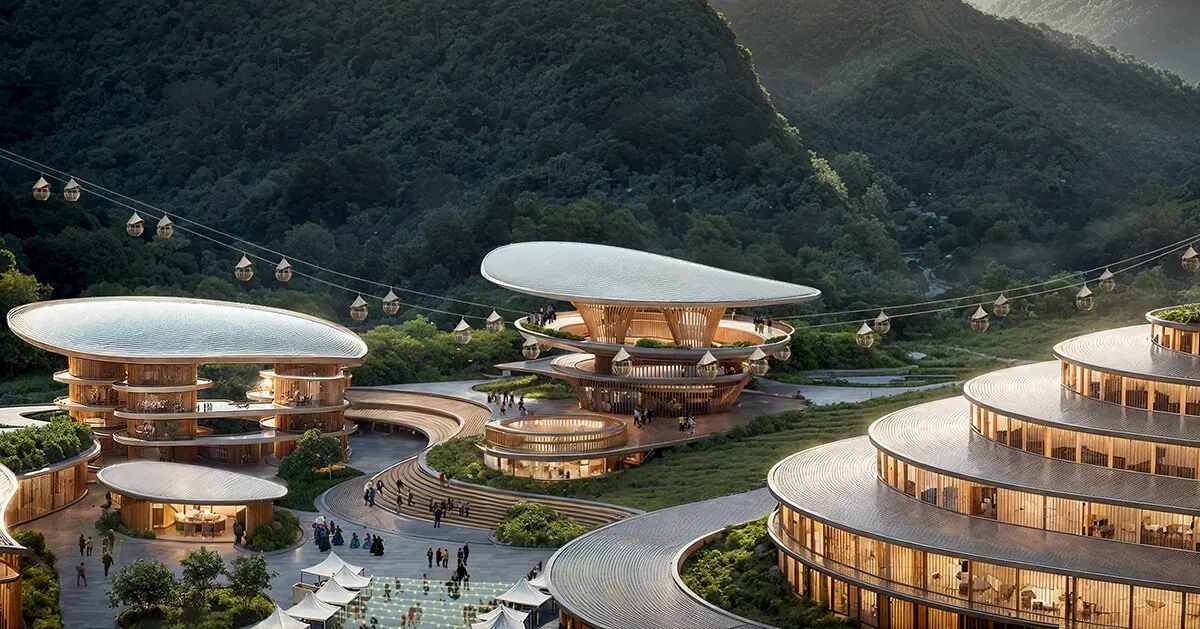
Gensler has put forward a conceptual masterplan for a 522-hectare tourism destination in Vang Vieng, Laos, aiming to establish a framework for the region’s evolving tourism ambitions. The proposal, developed for Vang Villy Hill Co., Ltd., shifts away from traditional resort models by centering hospitality, recreation, and public spaces around the area’s natural landscape, waterways, and cultural heritage.
This approach positions Vang Vieng’s unique environment and cultural identity as the core drivers of future development, rather than treating them as mere backdrops. The masterplan seeks to create a spatial organization and set of development principles that will guide the destination’s growth over an extended period.
Integrating Development with Nature
The design is a direct response to Vang Vieng’s distinctive limestone mountains, agricultural lands, and riverine environments. Existing landforms are intended to dictate the layout of the destination. Gensler’s team has incorporated circular planning principles, focusing on low-impact mobility networks, the conservation of waterways, landscape preservation, and long-term environmental resilience. The masterplan is designed to be flexible, allowing for future expansion while ensuring continued connection to the site’s ecological systems and local character.
A New Vision for Tourism
Steven Velegrinis, Gensler’s Design Director and Regional Leader for Cities & Urban Design, highlighted a broader trend in tourism development across Asia. “Travelers today are seeking deeper connections to nature, culture and wellbeing, while destinations are increasingly expected to deliver long-term environmental and social value alongside economic growth,” he stated. “For Vang Vieng, the opportunity wasn’t to replicate tourism models from elsewhere, but to reveal and strengthen the qualities that already make this place extraordinary.”
This philosophy aims to create a tourism experience that is deeply rooted in the local context, offering visitors authentic engagement with the natural and cultural richness of Vang Vieng.
Key facts
| Feature | Detail |
|---|---|
| Project Name | Vang Vieng Tourism Masterplan |
| Design Firm | Gensler |
| Client | Vang Villy Hill Co., Ltd. |
| Location | Vang Vieng, Vientiane Province, Laos |
| Site Area | 522 hectares |
| Design Philosophy | Landscape-first, circular planning |
The development’s focus on integrating tourism with the existing environment and cultural identity is significant for readers interested in sustainable development and thoughtful urban planning. It offers a potential model for how destinations can grow their economies while preserving their natural and cultural assets. The emphasis on a flexible framework also suggests a forward-thinking approach to development that can adapt to changing needs and conditions.
Source: Gensler proposes landscape-first tourism masterplan for Vang Vieng, Laos – Designboom (https://www.designboom.com/architecture/gensler-landscape-tourism-masterplan-vang-vieng-laos/)
Source
Designboom Original publication: 2026-07-07T08:30:17+00:00
Related news

Handwoven Teak and Cord Outdoor Seating Debuts from Masaya and Abril Zepeda
Nicaraguan furniture brand Masaya has introduced two new handcrafted outdoor chairs — a rocking chair and a lounge chair — designed by…
Read more
Place in Mind: Hendricks Churchill Launches Hospitality Group to Revive Historic Properties
The architecture and interior design studio Hendricks Churchill has launched Place in Mind, a new hospitality group focused on acquiring, restoring, and…
Read more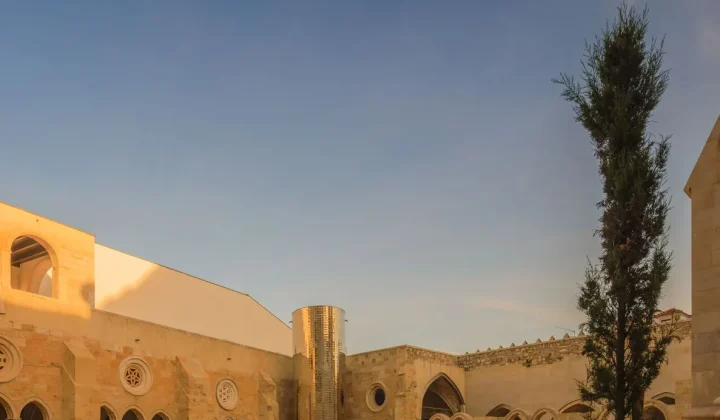
Adalberto Dias Architects Complete Restoration of Lisbon’s Patriarchal Cathedral and Archaeological Center
The restoration of the Sé de Lisboa by Adalberto Dias Arquitecto integrates a new archaeological center, preserved cloisters, and seven centuries of…
Read more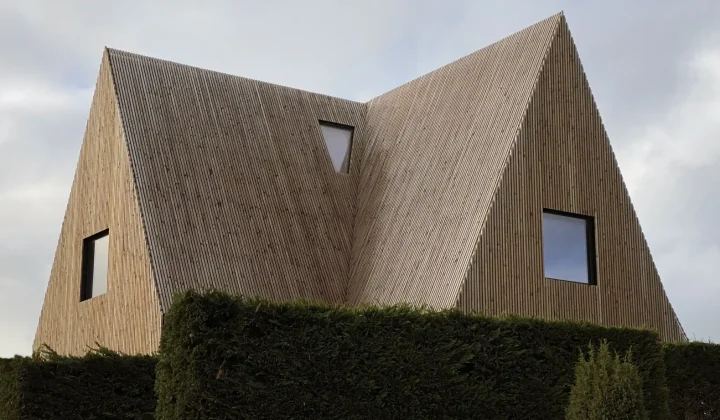
Vantieghem Talebi’s ‘House of Cards’ Brings Timber Geometry to Belgian Family Home
A new family house in Belgium by US- and Swiss-based practice Vantieghem Talebi uses a steeply pitched, card-house-inspired form clad in Douglas-fir…
Read moreRelated wiki
Adaptive Reuse in Architecture
Reference page for reuse, retrofit, conversion, embodied carbon and design constraints.
Read more