Global Tensions Ease as Israel and Iran Signal De-escalation
Reports indicate a potential shift in the geopolitical landscape as Israel and Iran suggest a move away from further direct confrontation following recent exchanges.
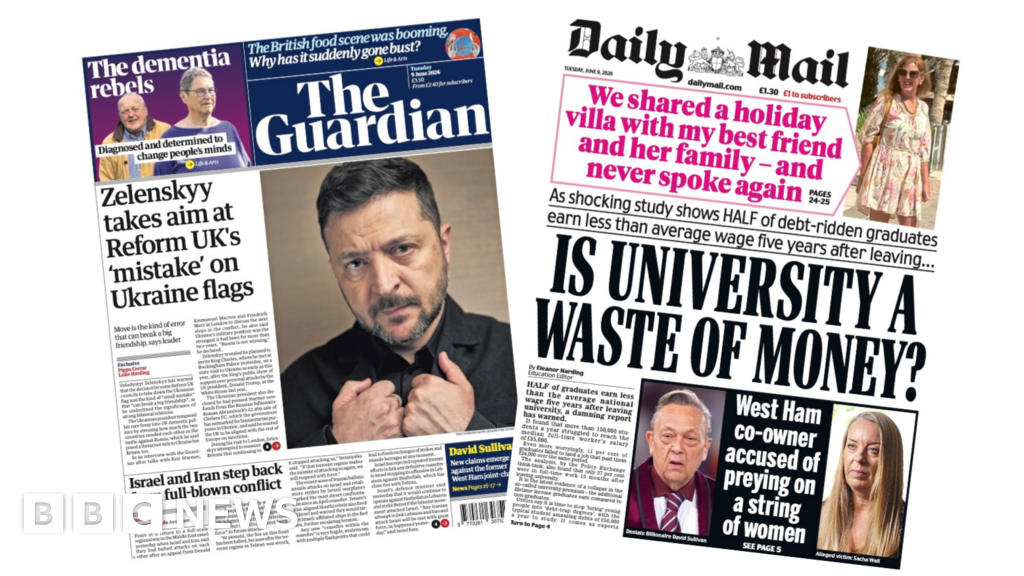
International observers are closely monitoring recent indications from both Israel and Iran that suggest a de-escalation of hostilities following a recent exchange of fire. The development, reported across several major news outlets, points towards a potential shift in the volatile geopolitical climate of the Middle East.
The implications of such a de-escalation extend beyond regional security, potentially influencing global markets, diplomatic relations, and the broader international agenda. While the exact nature and extent of any agreements remain under scrutiny, the signals from both nations suggest a mutual interest in preventing further direct military confrontation at this juncture.
Understanding the context of these recent events is crucial. The exchange of fire, which prompted widespread concern, has now seemingly been met with a deliberate step back, indicating a complex interplay of strategic calculations and potential diplomatic overtures.
Geopolitical Landscape
The Middle East has long been a focal point of international concern due to its strategic importance and recurring periods of heightened tension. This latest development, if sustained, could mark a significant moment in the region’s complex history. The careful signaling from both Israel and Iran suggests a recognition of the potentially catastrophic consequences of a wider conflict. This cautious approach may be driven by a variety of factors, including economic considerations, domestic political pressures, and the desire to avoid further international intervention or condemnation.
The international community has largely responded with cautious optimism, emphasizing the need for continued dialogue and verifiable steps towards lasting peace. Diplomatic channels are reportedly active, seeking to solidify any nascent de-escalation and address the underlying issues that contribute to regional instability.
Economic Ramifications
Beyond the immediate security concerns, the prospect of reduced tensions could have tangible economic benefits. The Middle East is a critical hub for global trade and energy markets. Periods of heightened conflict often lead to market volatility, increased insurance costs, and disruptions to supply chains. A sustained period of de-escalation could lead to greater stability, potentially encouraging investment and fostering economic recovery in affected areas. Global markets often react swiftly to geopolitical shifts, and a move away from conflict could be viewed positively by investors seeking predictable environments.
The long-term economic implications will depend on the durability of any de-escalation and the extent to which it translates into broader regional stability. Factors such as the price of oil, shipping routes, and the flow of capital are all sensitive to the geopolitical climate.
Design and Urbanism Context
While this news primarily concerns international relations, architectural and urban development projects are often deeply intertwined with geopolitical stability and economic conditions. Areas experiencing conflict or high political risk may see delays or cancellations of major infrastructure and urban regeneration initiatives. Conversely, periods of peace and economic growth can spur significant investment in the built environment, leading to new projects, technological advancements in construction, and a focus on sustainable urban planning.
For the Paionia7 readership, understanding the broader geopolitical context is essential. It informs the environment in which architectural practices operate, urban planning policies are enacted, and design competitions are held. Stability is a foundational element for the successful realization of ambitious projects in architecture, urbanism, and sustainable design. Any reduction in geopolitical friction could indirectly foster an environment more conducive to development and innovation within these sectors.
Looking Ahead
The coming weeks and months will be critical in determining whether this perceived de-escalation is a temporary pause or the beginning of a more sustained period of reduced tensions. The willingness of both Israel and Iran to engage in dialogue, coupled with concrete actions that build trust, will be key indicators. The international community will likely continue to play a role in facilitating communication and encouraging peaceful resolutions. The focus will be on ensuring that any steps taken are transparent and contribute to a genuine and lasting peace in the region.
Datos clave
| Aspecto | Descripción |
|—|—|
| Evento Principal | Señales de desescalada entre Israel e Irán tras intercambio de fuego. |
| Implicación Geopolítica | Potencial alivio de tensiones en Oriente Medio y repercusiones globales. |
| Contexto Relevante | La estabilidad regional es fundamental para el desarrollo en arquitectura y urbanismo. |
| Seguimiento | Necesidad de diálogo y acciones verificables para una paz duradera. |
Fuente: BBC News, https://www.bbc.com/news/articles/cm209825823o
Datos clave
| Punto | Detalle |
|---|---|
| Fuente | bbc.co.uk |
| Fecha | 2026-06-09T00:26:36+00:00 |
| Tema | The Papers: ‘Israel and Iran step back’ and ‘Is uni a waste of money?’ |
Source
bbc.co.uk Original publication: 2026-06-09T00:26:36+00:00
Related news

Handwoven Teak and Cord Outdoor Seating Debuts from Masaya and Abril Zepeda
Nicaraguan furniture brand Masaya has introduced two new handcrafted outdoor chairs — a rocking chair and a lounge chair — designed by…
Read more
Place in Mind: Hendricks Churchill Launches Hospitality Group to Revive Historic Properties
The architecture and interior design studio Hendricks Churchill has launched Place in Mind, a new hospitality group focused on acquiring, restoring, and…
Read more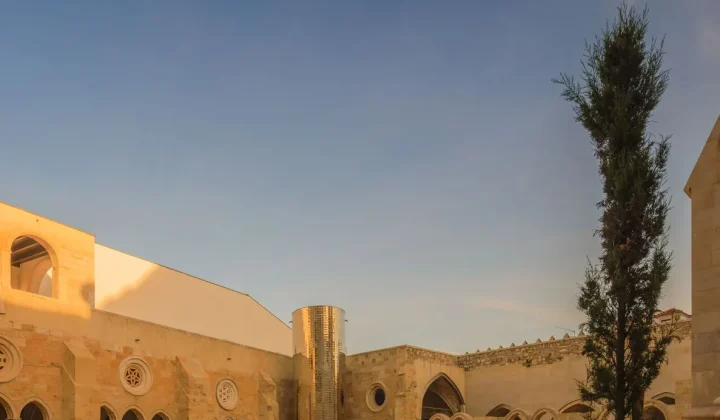
Adalberto Dias Architects Complete Restoration of Lisbon’s Patriarchal Cathedral and Archaeological Center
The restoration of the Sé de Lisboa by Adalberto Dias Arquitecto integrates a new archaeological center, preserved cloisters, and seven centuries of…
Read more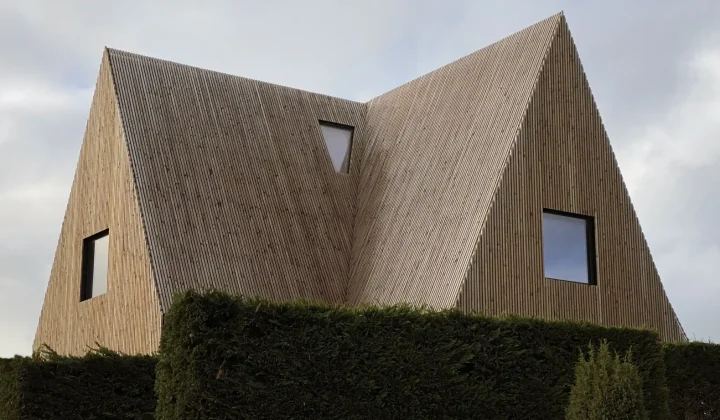
Vantieghem Talebi’s ‘House of Cards’ Brings Timber Geometry to Belgian Family Home
A new family house in Belgium by US- and Swiss-based practice Vantieghem Talebi uses a steeply pitched, card-house-inspired form clad in Douglas-fir…
Read moreRelated wiki
Adaptive Reuse in Architecture
Reference page for reuse, retrofit, conversion, embodied carbon and design constraints.
Read more