
Hong Kong Polytechnic University Showcases Innovative Waste-Based Designs
Projects including incense made from tea waste and a chair designed for elderly women highlight the creative reuse of materials and focus on user well-being at Hong Kong Polytechnic University's School of Design exhibition.
The Hong Kong Polytechnic University’s School of Design has unveiled a series of innovative projects, demonstrating a strong commitment to sustainability and user-centered design. Among the highlighted works are incense products crafted from waste organic matter derived from herbal teas, showcasing a novel approach to material reuse.
These tea-based incense offerings, presented in various forms including coils, cones, and sticks, represent a unique application of recycled materials in everyday products. This initiative not only addresses waste reduction but also explores new aesthetic and functional possibilities for discarded resources.
Por que importa
Beyond material innovation, the exhibition also features designs focused on enhancing the quality of life for specific user groups. A notable project is a chair specifically engineered to support the dignity, comfort, and mobility of elderly women. This design prioritizes the unique needs of its intended users, aiming to improve their daily experiences and independence.
Complementing these physical products is a digital program designed to assist visually impaired individuals in their daily routines. This technological solution underscores the university’s dedication to leveraging design and technology for social good, offering practical support and fostering greater independence for those with visual impairments.
Contexto
These diverse projects, originating from the Hong Kong Polytechnic University’s School of Design, underscore a forward-thinking approach that integrates environmental responsibility with thoughtful, human-centric design solutions. The exhibition serves as a platform to showcase how creative thinking can transform waste into valuable products and address societal needs through innovative design.
The School of Design at the Hong Kong Polytechnic University is recognized for its commitment to pushing the boundaries of design education and practice. Its students and faculty consistently engage in research and development that tackles contemporary challenges, from environmental sustainability to social inclusivity. The projects displayed are a testament to this ongoing dedication, offering tangible examples of design’s potential to create a positive impact.
The focus on waste valorization, as seen in the tea-based incense, aligns with global efforts to move towards a circular economy. By transforming byproducts and waste streams into desirable goods, designers can significantly reduce landfill burden and conserve virgin resources. This approach not only benefits the environment but also opens up new economic opportunities.
Similarly, the development of furniture and digital tools tailored to specific user needs, such as the chair for elderly women and the assistive program for the visually impaired, highlights the growing importance of inclusive design. This philosophy ensures that products and services are accessible and beneficial to as wide a range of people as possible, regardless of age, ability, or background.
The exhibition demonstrates that innovation in design is not confined to aesthetics but extends to the critical areas of environmental stewardship and social equity. The Hong Kong Polytechnic University’s School of Design is at the forefront of this movement, producing graduates and research that can contribute to a more sustainable and equitable future.
Key facts
| Project Type | Material/Focus | Intended User/Benefit |
|—|—|—|
| Incense | Tea-based waste | Sustainable product, waste reduction |
| Chair | Ergonomic design | Elderly women’s dignity, comfort, mobility |
| Digital Program | Assistive technology | Visually impaired daily life support |
This collection of projects from the Hong Kong Polytechnic University’s School of Design offers valuable insights into the future of sustainable and inclusive design. For readers interested in how waste can be repurposed and how design can better serve diverse communities, these innovations provide compelling examples. The focus on practical application and social impact makes these developments particularly relevant to ongoing discussions in architecture and product design.
Source: https://www.dezeen.com/2026/07/05/incense-made-from-tea-based-waste-hong-kong-polytechnic-university-schoolshows/
Datos clave
| Punto | Detalle |
|---|---|
| Fuente | Dezeen |
| Fecha | 2026-07-05T15:00:36+00:00 |
| Tema | Incense made from tea-based waste among projects by Hong Kong Polytechnic University |
Source
Dezeen Original publication: 2026-07-05T15:00:36+00:00
Related news
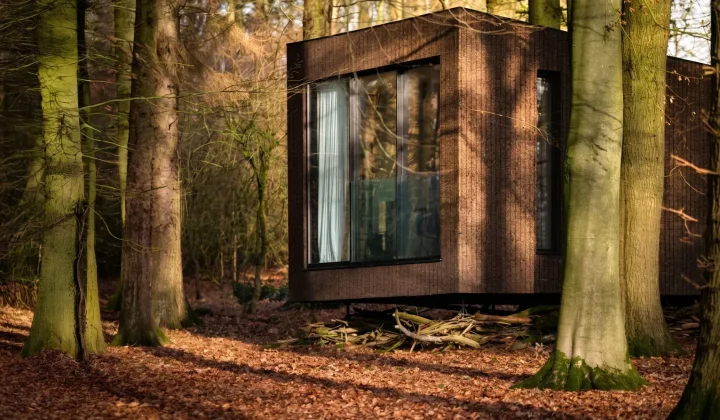
Koto launches Haku, a mobile prefab hotel suite built on a wheeled chassis to bypass UK planning restrictions
UK architecture studio Koto has unveiled Haku, a fully mobile prefabricated suite that legally qualifies as a caravan, allowing landowners and hotel…
Read more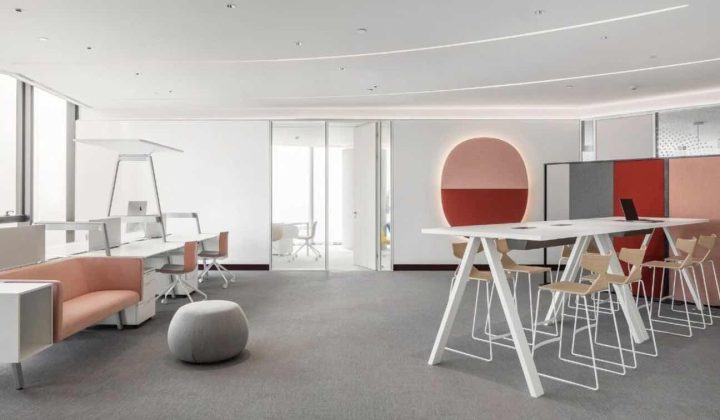
HONG Designworks Completes Private Office in Xi’an That Balances Memory, Materiality, and Long-Term Use
The Xi’an office by HONG Designworks integrates a folded steel staircase, retained furniture from a previous workspace, and a restrained purple-gray palette…
Read more
Handwoven Teak and Cord Outdoor Seating Debuts from Masaya and Abril Zepeda
Nicaraguan furniture brand Masaya has introduced two new handcrafted outdoor chairs — a rocking chair and a lounge chair — designed by…
Read more
Place in Mind: Hendricks Churchill Launches Hospitality Group to Revive Historic Properties
The architecture and interior design studio Hendricks Churchill has launched Place in Mind, a new hospitality group focused on acquiring, restoring, and…
Read moreRelated wiki

Adaptive Reuse in Architecture
Reference page for reuse, retrofit, conversion, embodied carbon and design constraints.
Read more