How to Read an Architecture or Design Guide: A Practical Checklist
A practical checklist for reading architecture, design, urbanism, and sustainability guides with clearer judgment: what to verify, which sources fit which claims, and where uncertainty remains.
Summary
A useful architecture or design guide should help readers separate four things: what can be observed, what is attributed to a source, what is interpreted by the writer, and what remains uncertain. That distinction is especially useful when an article moves between project description, visual analysis, urban context, and environmental language.
Date note: This draft is dated 2026-06-20. Before publication or reuse, recheck source links and any project-specific claims, because websites, project pages, and public guidance can change.
Short Answer: What Should Readers Look for First?
Start by asking what kind of claim the guide is making. A visible feature, such as a courtyard or glazed facade, can often be assessed from images, drawings, and descriptions. A claim about energy, carbon, resource use, public benefit, or completed performance needs clearer evidence and a defined scope.
A trustworthy guide should make it easy to see whether a statement comes from an observed feature, a project team, a public source, a design publication, or the writer’s interpretation. If the source is not clear, treat the statement as something to verify rather than a settled conclusion.
Why Design Guides Need Careful Reading
Architecture and design writing can be visually rich and useful, but it may also combine description, interpretation, project storytelling, and broader claims in a short space. Readers should notice when a sentence shifts from describing what a building looks like to claiming what it achieves.
Sustainability language needs particular care. UNEP’s public work on cities and resource efficiency frames urban and built-environment questions around resources and wider systems, not just appearance or a single label. When a guide uses terms such as “sustainable,” “low impact,” or “resource efficient,” readers should ask what the term refers to and what evidence is provided.
Key Terms to Read Carefully
Descriptive Terms
Terms such as “courtyard,” “facade,” “streetscape,” or “mixed-use” usually describe visible or programmatic features. They still need context, but they do not by themselves prove environmental performance, public benefit, or long-term success.
Performance and Sustainability Terms
Terms such as “low-carbon,” “net zero,” “efficient,” “resilient,” or “sustainable” should be read as claims that need scope. Ask what is being measured, what boundary is being used, and whether the statement describes an ambition, a projection, a certification, or a measured result.
Public-Interest Terms
Terms such as “public realm,” “community benefit,” or “urban regeneration” can be meaningful, but they are not self-proving. Look for evidence about access, governance, local context, consultation, or outcomes where those claims matter.
How to Assess a Design Claim Step by Step
Step 1: Identify the Claim Type
Separate visual, factual, technical, environmental, and interpretive claims. “The project includes timber finishes” is not the same kind of statement as “the project reduces resource use,” and the second claim needs a clearer basis than the first.
Step 2: Match the Claim to the Source
A project team page may be useful for design intent and named collaborators. A public institution may help with broader urban or resource context. A design publication can help with visual reading, precedent, interviews, and editorial comparison, but project facts and performance claims should still be attributed clearly.
Step 3: Look for Boundaries
Strong claims usually explain their boundary. For example, an environmental claim may need to clarify whether it refers to materials, operational energy, resource use, construction, landscape, transport, or another part of the project. If the boundary is unclear, treat the claim as incomplete.
Step 4: Check Whether the Status Is Clear
A completed building, a proposal, a competition entry, a concept design, and a refurbishment in progress should not be read in the same way. If a guide does not state the project status clearly, avoid relying on it for conclusions about delivered performance or public impact.
Step 5: Separate Guidance from Decision-Making
A design guide can help readers ask better questions, but it should not replace project-specific advice from qualified professionals or relevant authorities when safety, compliance, cost, planning, or technical performance is involved.
Comparison Table: Which Sources Fit Which Claims?
| Claim type | Better supporting sources | What the source can usually support | What still needs checking |
|---|---|---|---|
| Visible design features | Project images, drawings, captions, design publications | Description of form, layout, materials, and atmosphere | Whether images are current, representative, and correctly captioned |
| Design intent | Architect or project team statements, interviews, project pages | Stated goals, concepts, collaborators, and intended use | Whether the outcome was built or measured as described |
| Urban and resource context | UNEP or other public institutional resources | Broader framing around cities, resources, and public-interest context | Local applicability, date, and scope |
| Sustainability language | Public guidance, project documentation, certifications, specialist reporting | Definitions, stated approach, or claimed scope | Boundary, method, evidence, and whether results are projected or measured |
| Technical performance | Product data, engineering documents, certifications, specialist reports | Declared properties or assessed performance within a defined method | Test basis, limitations, jurisdiction, and current validity |
Practical Checklist Before You Trust a Design Guide
- Identify the strongest claim and ask what evidence supports it.
- Check whether key terms are defined or used only as attractive labels.
- Separate visible description from performance, resource, carbon, or public-benefit claims.
- Look for named sources when the article discusses cities, resources, materials, or technical outcomes.
- Ask whether the claim is based on design intent, projected results, measured results, or editorial interpretation.
- Check the project status before treating a proposal or concept as a completed outcome.
- Use the guide to frame questions, then seek qualified advice for safety, compliance, cost, planning, or technical decisions.
Common Red Flags
Vague Sustainability Language
Be cautious when a guide uses words such as “green,” “eco-friendly,” “low impact,” or “sustainable” without explaining the scope or source. For built-environment topics, broad environmental language should be tied to a specific claim that readers can check.
Missing Attribution
If a guide repeats project claims without saying where they came from, readers have less ability to judge reliability. Clear attribution helps distinguish between a studio’s stated ambition, a public source, an independent assessment, and a writer’s interpretation.
Images Without Context
Photographs, renderings, diagrams, and stock images can help readers understand a topic, but they should not be treated as proof of performance or public impact. Captions should say what the image shows without implying unsupported facts.
What to Do Next When a Claim Matters
If the claim affects a real decision, trace it to the most direct available source. For a project fact, look for the project team, owner, public authority, or published documentation. For a sustainability or resource claim, look for the boundary, method, and whether the statement is projected, certified, or measured.
For lower-stakes reading, treat the guide as orientation: note useful terms, understand the visual argument, and keep a record of what would need verification before using the information in a project, purchase, policy discussion, or public debate.
FAQ
What makes an architecture guide trustworthy?
A trustworthy guide defines important terms, identifies sources, separates fact from interpretation, and avoids making broad claims that the evidence does not support. It should make uncertainty visible when project status, performance, or local context is not fully established.
Are architecture and design publications useful sources?
Yes. Architecture and design publications can be useful for project context, visual reading, precedent, interviews, and design interpretation. Read them with attention to attribution, especially when they include project facts or performance claims.
How should readers approach sustainability claims?
Ask what the term refers to, what boundary is being used, and whether the article links the claim to public guidance, project documentation, certification, or measured evidence. Without that context, treat the phrase as a claim to verify rather than a conclusion.
Can one guide support a renovation, purchase, or planning decision?
No. A guide can help frame better questions, but decisions involving safety, compliance, cost, planning, or technical performance should be checked with qualified professionals or relevant authorities.
Sources and Further Reading
- UNEP: Cities and resource efficiency — used for cautious framing around cities, resources, and built-environment context.
- ArchDaily — used as an example of architecture and design publishing, not as support for technical performance claims.
Sources
- UNEP: cities and resource efficiency – UNEP.
- ArchDaily – ArchDaily.
Related news

MIV Architects Proposes Wetland Pavilion That Prioritizes Non-Human Habitats Over Human Comfort
The Spanish firm’s “Nidos de Agua” concept for the Albufera natural park in Valencia aims to rebalance the relationship between building and…
Read more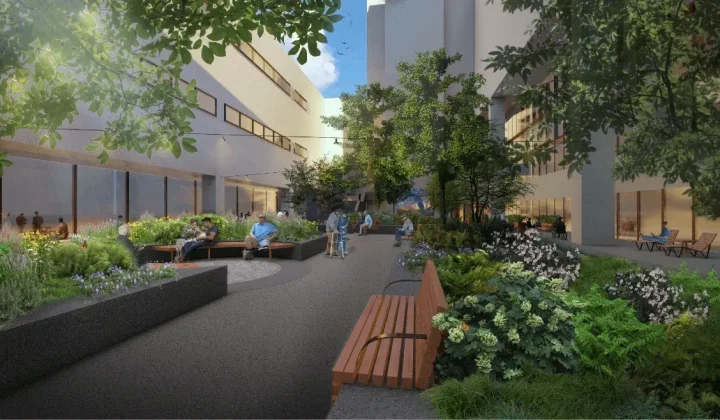
Nelson Byrd Woltz Begins Construction on Restorative Eagle Courtyard at Walter Reed Medical Center
Construction has started on a redesigned Eagle Courtyard at Walter Reed National Military Medical Center, led by Nelson Byrd Woltz Landscape Architects.…
Read more
London’s listening bar boom reflects a deeper shift in hospitality design and music culture
A wave of Japanese-inspired listening bars is reshaping London’s nightlife, but owners and critics are asking whether the concept can survive commercial…
Read more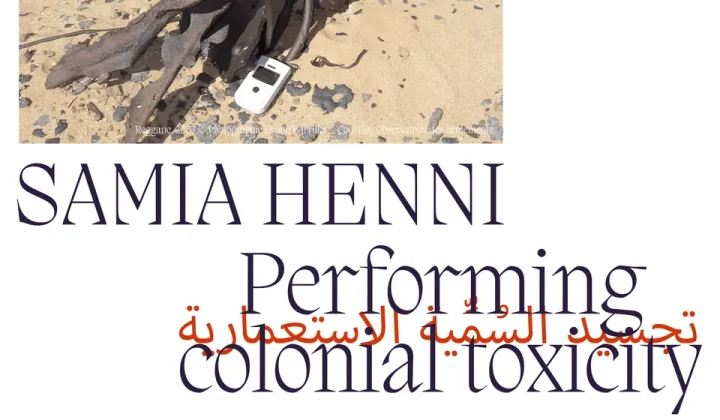
Performing Colonial Toxicity Exhibition in Valencia Examines Architecture’s Role in Nuclear Colonialism
From 24 October to 1 November 2026, Aguas Internacionales in Valencia hosts Samia Henni’s exhibition on French nuclear testing in the Algerian…
Read moreRelated wiki
Adaptive Reuse in Architecture
Reference page for reuse, retrofit, conversion, embodied carbon and design constraints.
Read more