Iconic American Logos: A Look at Their Enduring Design Histories
From "I ❤️ NY" to the Nike Swoosh, this feature delves into the creative stories behind 14 logos that have shaped American graphic design and culture, exploring their impact and evolution.
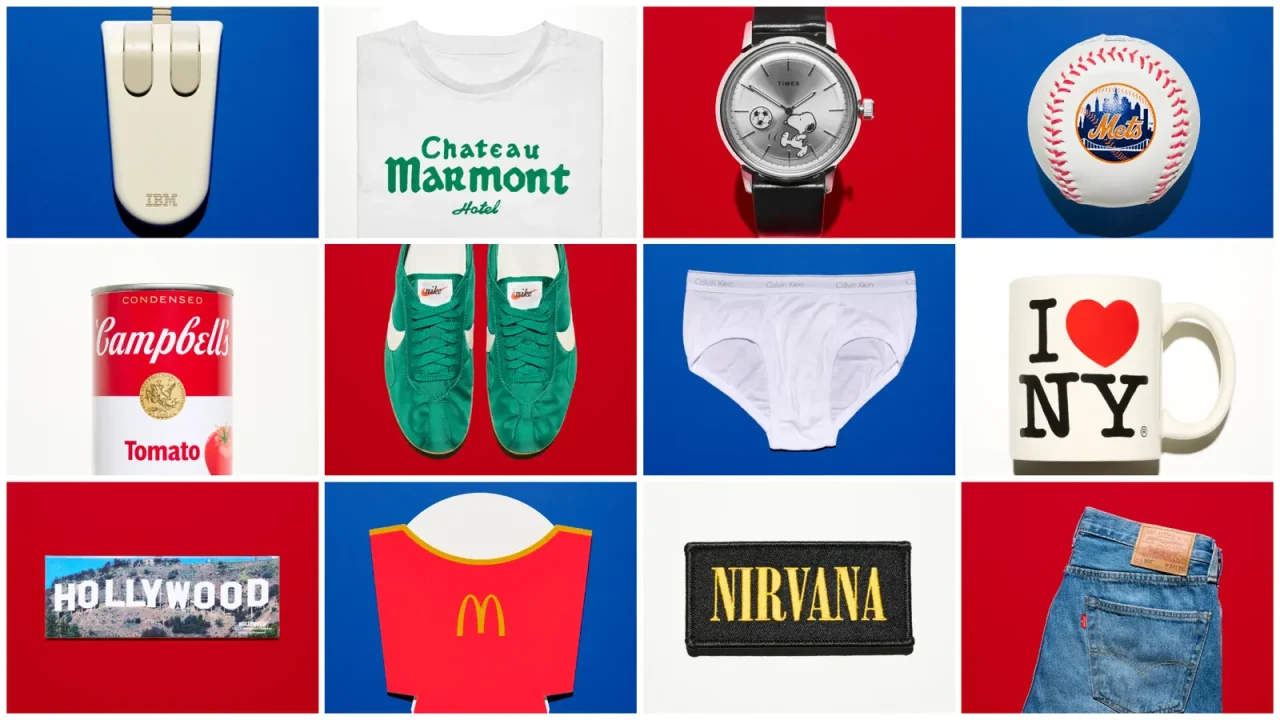
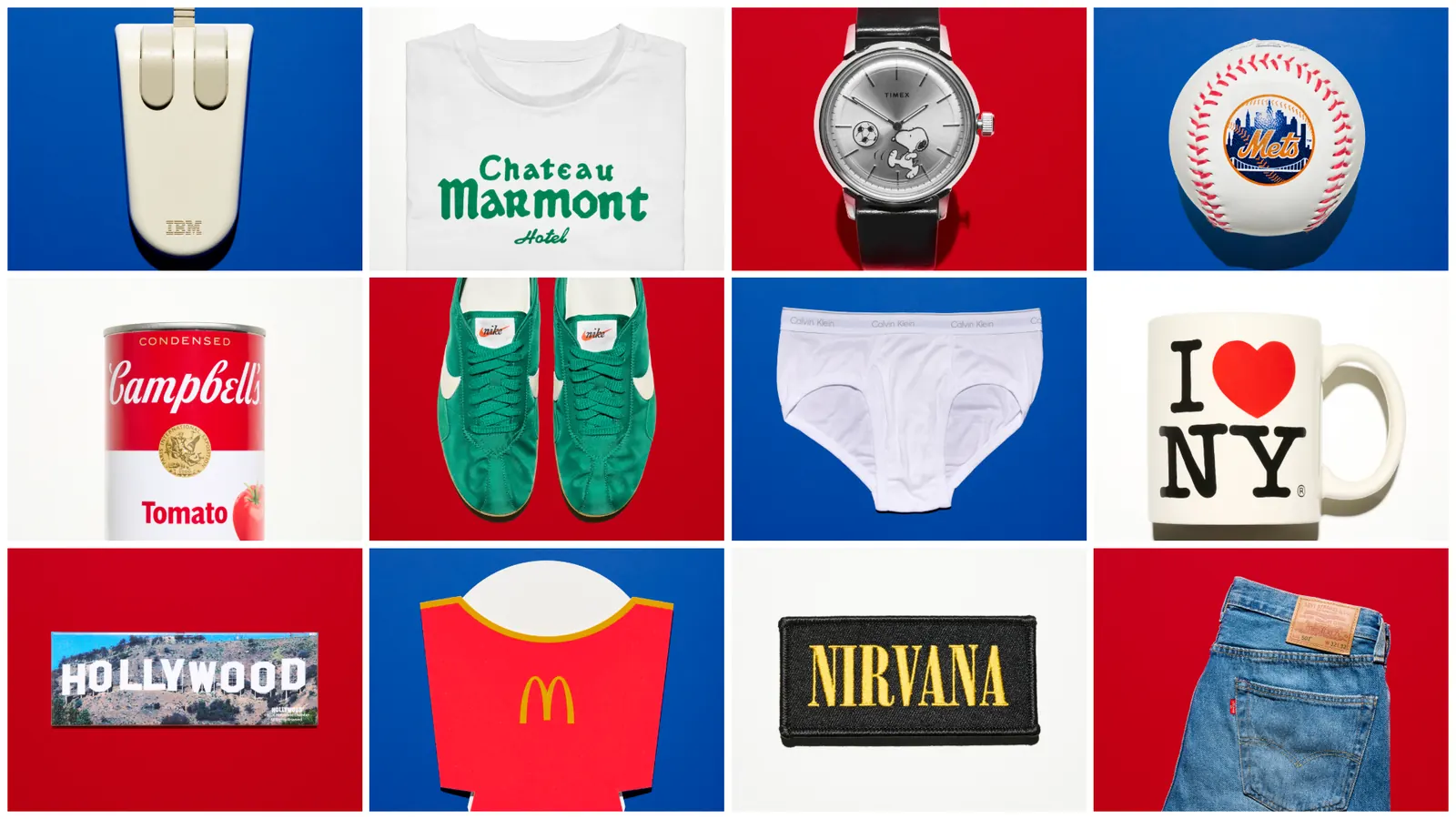
The landscape of American design is punctuated by a series of graphic identities that have transcended their initial purpose to become cultural touchstones. Wallpaper* magazine’s exploration into 14 such logos offers a compelling look at the ingenuity, marketing brilliance, and cultural resonance that have cemented their places in design history. These symbols, adorning everything from fashion to civic campaigns, raise questions about the very nature of American branding: is there a unique blend of commerce and culture at play, or is it simply the result of mass consumption meeting effective marketing?
Milton Glaser’s “I ❤️ NY” logo, introduced in 1976, stands as perhaps the most globally recognized. Born from a campaign to revitalize New York City, Glaser’s simple yet profound rebus design—a red heart paired with “I” and “NY” in American Typewriter font—became an instant icon. Initially met with concerns about its legibility, the logo quickly proved its universal appeal. Its widespread adoption led to a significant revenue stream through licensing fees, while Glaser himself, despite its ubiquity, continued to contribute to design and culture, co-founding New York magazine and creating numerous posters and logos. The logo’s enduring power was evident in its re-emergence post-9/11 with the addition of “More Than Ever,” and its continued fierce affection from the public, even when the city considered a rebrand.
Por que importa
Another New York institution, the New York Mets logo, designed by illustrator Ray Gotto, was selected through a public competition in 1961. Gotto aimed to create an emblem that could unite the entire city, depicting a symbolic skyline incorporating landmarks from various boroughs, anchored by a suspension bridge. Originally in black and pink, the palette evolved to the now-familiar blue, orange, and white, colors reflecting New York City’s flag. Despite numerous changes in the team’s management and performance, Gotto’s logo has remained a steadfast symbol of the franchise.
Tiffany & Co.’s iconic blue box is more than just packaging; it’s a symbol of luxury recognized worldwide. The specific shade of turquoise, now trademarked as Tiffany Blue, has been an official Pantone color since 2001. The brand’s commitment to its visual identity is underscored by the 2005 refresh by Pentagram partner Paula Scher, which emphasized the blue box and its accompanying hand-drawn, letterpress-style typeface, evoking a sense of both luxury and craftsmanship.
Chateau Marmont, a legendary Hollywood hotel, also boasts a design that evokes its storied past. Opened as an apartment building in 1929 and later becoming a hotel, its design was loosely inspired by the Château d’Amboise. When André Balazs acquired the property in 1990, the focus was on preserving its historic ambiance, a crucial element in its enduring appeal to artists, movie stars, and musicians.
Key facts
| Logo/Brand Name | Designer/Illustrator | Year Introduced | Significance |
|—|—|—|—|
| I ❤️ NY | Milton Glaser | 1976 | Civic symbol for New York City, global icon of affection |
| New York Mets | Ray Gotto | 1961 | Unifying symbol for the baseball team and the city |
| Tiffany & Co. Box | N/A (trademarked color) | Pre-1998 (color), 2005 (logo refresh) | Emblem of luxury, instantly recognizable brand identifier |
| Chateau Marmont | N/A (architectural influence) | 1929 (building), 1930s (hotel) | Symbol of Hollywood glamour and historic sanctuary |
The enduring success of these logos highlights the power of strong visual communication. They demonstrate how thoughtful design, coupled with strategic marketing and cultural relevance, can create identities that resonate across generations and industries. For those interested in branding, graphic design, and the evolution of cultural symbols, these examples offer a rich field of study, illustrating the lasting impact of creative vision.
Source: Wallpaper – https://www.wallpaper.com/design-interiors/corporate-design-branding/legendary-usa-logos-explained
Datos clave
| Punto | Detalle |
|---|---|
| Fuente | Wallpaper |
| Fecha | 2026-07-18T07:00:00+00:00 |
| Tema | 14 logos that defined American graphic design history |
Source
Wallpaper Original publication: 2026-07-18T07:00:00+00:00
Related news

SIITUA III to Gather International Researchers on Territory, Urbanism, and Architecture in Lima
The third edition of the International Seminar on Research in Territory, Urbanism, and Architecture (SIITUA III) will take place in Lima, organized…
Read more
Christopher Kane brings streamlined, heritage-driven vision to Mulberry in London Fashion Week debut
The Scottish designer presented his first collection for the British leather goods house at London Fashion Week, blending sharp tailoring, archival references…
Read more
When Film Directors Become Interior Designers: Guadagnino, Lynch, Anderson and Almodóvar Step Off Screen
From Luca Guadagnino’s Zara Home collection to David Lynch’s Paris club and Wes Anderson’s train carriage, a wave of collaborations is blurring…
Read more
Jesus Mari Lazkano Examines Changing Landscapes Through Painting and Animated Film at Basque Luxury Studio
The Basque artist’s exhibition ‘Azken Natura’ brings together six large-scale paintings and a 22-minute animated film that traces the melting of the…
Read moreRelated wiki

Adaptive Reuse in Architecture
Reference page for reuse, retrofit, conversion, embodied carbon and design constraints.
Read more