
Integrating Playful Elements into Architectural Design
Discover how architects are incorporating playful elements into their designs, moving beyond mere functionality to create engaging and dynamic spaces. This sponsored content explores the impact of user interaction and sensory experiences in modern architecture, drawing parallels with how interactive platforms like Gran
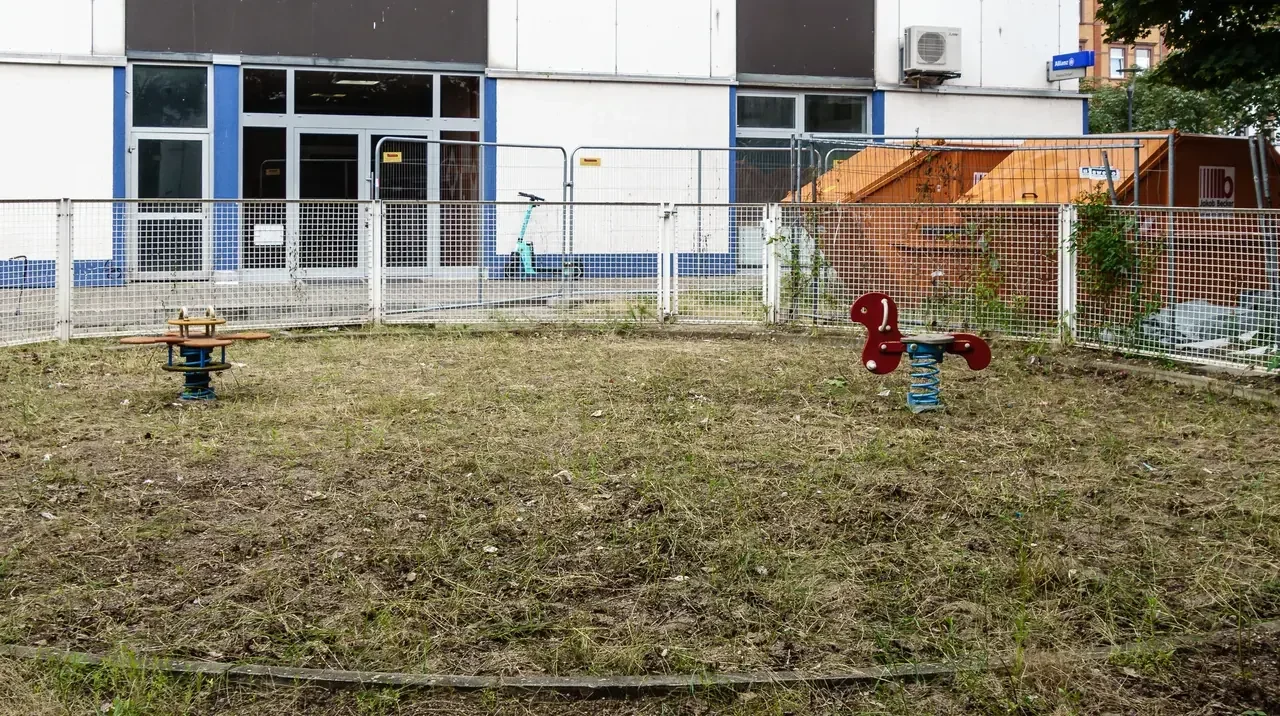
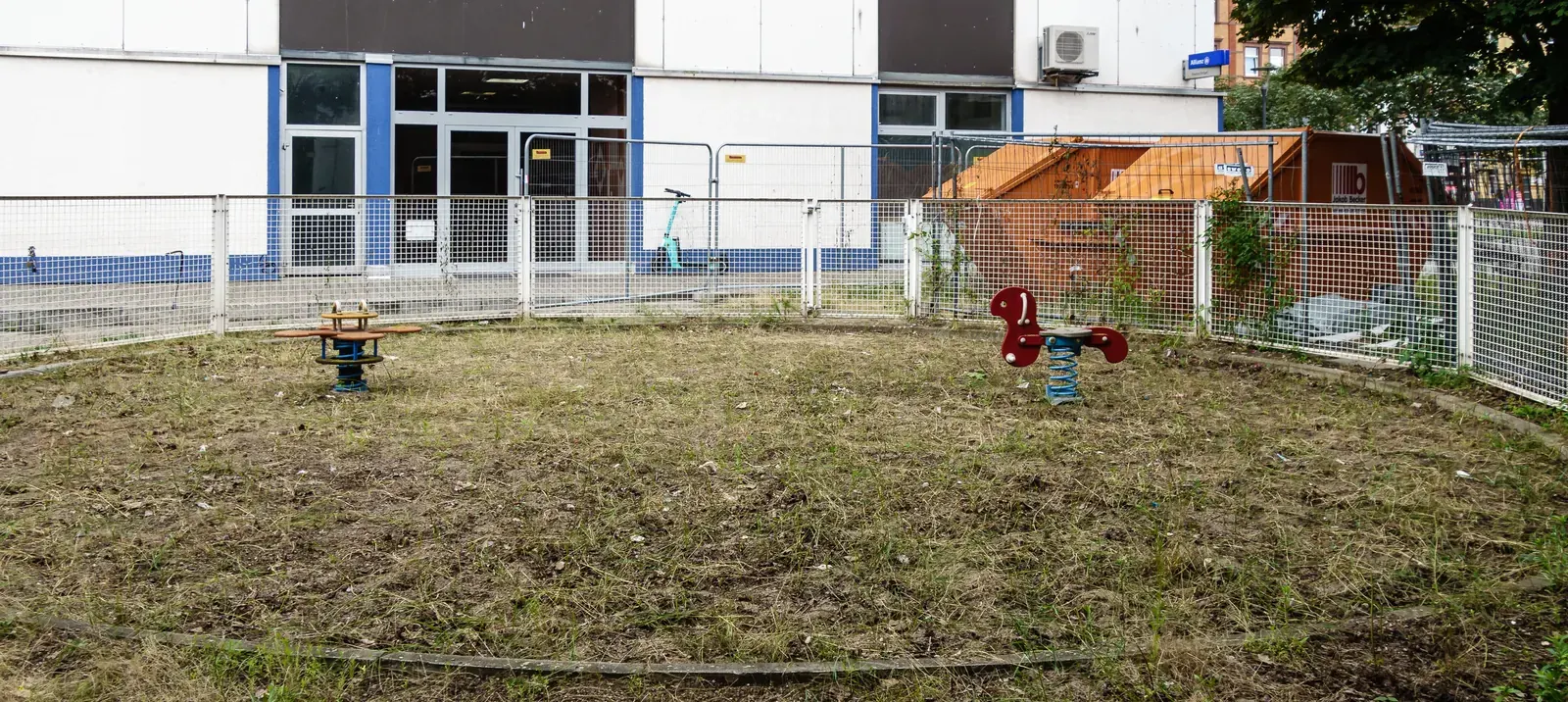
In contemporary architectural discourse, the concept of “play” is gaining increasing traction, moving beyond the traditional confines of children’s playgrounds to influence the design of public spaces, commercial buildings, and even residential projects. This sponsored content explores how architects are deliberately integrating playful elements into their designs, fostering dynamic environments that encourage interaction, curiosity, and a sense of wonder. The goal is to create spaces that are not merely functional but also emotionally resonant and engaging, much like how platforms such as Grana Win casino aim to captivate users through interactive experiences.
The Shift Towards Experiential Architecture
For decades, architectural design often prioritised functionality, efficiency, and aesthetic purity. While these principles remain crucial, there’s a growing recognition that successful spaces also need to address human experience and well-being on a deeper level. Experiential architecture seeks to create environments that stimulate the senses, encourage movement, and invite participation. This shift is partly driven by a desire to counteract the increasingly digital nature of modern life, offering tangible, interactive experiences that cannot be replicated online.
Consider the contrast between a purely utilitarian building and one that incorporates unexpected elements: a slide instead of stairs, a facade that reacts to wind or light, or furniture that can be reconfigured by users. These elements transform passive observation into active engagement, making the space memorable and fostering a stronger connection between people and their environment.
Defining Playful Elements in Design
Play in architecture isn’t necessarily about bright colors and whimsical shapes, though these can certainly be part of it. More fundamentally, it’s about fostering conditions that allow for spontaneous interaction, exploration, and discovery. Key characteristics of playful design include:
- Interactive Components: Elements that respond to user input, such as kinetic facades, adaptable furniture, or sound installations.
- Sensory Stimulation: Designs that engage multiple senses—sight, touch, sound, and even smell—through varied textures, light play, acoustics, and natural elements.
- Ambiguity and Open-Endedness: Spaces that don’t dictate a single use but allow for diverse interpretations and activities.
- Surprise and Delight: Incorporating unexpected features, hidden pathways, or illusions that spark curiosity.
- Physical Engagement: Encouraging movement, climbing, balancing, and other forms of bodily interaction.
| Element Type | Description | Example in Architecture |
|---|---|---|
| Kinetic | Components that move or change in response to stimuli. | Facades with rotating panels, dynamic lighting displays |
| Tactile | Varied textures and materials that invite touch. | Rough stone walls, smooth polished surfaces, soft seating |
| Auditory | Design that manipulates sound or incorporates soundscapes. | Echo chambers, sound-absorbing panels, water features |
| Participatory | Spaces that allow users to alter or contribute to them. | Modular seating, writable surfaces, community gardens |
| Exploratory | Layouts that encourage discovery and non-linear paths. | Mazes, secret gardens, multi-level circulation |
The Impact on Urban and Public Spaces
The integration of playful elements is particularly impactful in urban and public spaces. Cities that embrace playful design often see increased foot traffic, enhanced community engagement, and a stronger sense of place. For instance, public squares designed with water jets for children to play in, or street furniture that doubles as sculptural art, can transform a mundane area into a vibrant social hub.
This approach aligns with urban planning principles that advocate for human-centric design, moving away from purely functional infrastructure towards spaces that support social interaction and well-being. Playful urban interventions can act as catalysts for regeneration, drawing people to areas they might otherwise overlook and fostering a more active street life.
Beyond the Whimsical: Strategic Playfulness
While some playful designs might appear whimsical, their integration often serves strategic purposes. In commercial architecture, for example, playful elements can enhance brand identity, differentiate a space, and improve customer experience. Retail environments that offer interactive displays or playful installations can encourage longer stays and increased engagement. Similarly, office spaces incorporating elements like climbing walls or informal, adaptable meeting areas aim to boost creativity and collaboration among employees.
The success of these designs lies in their ability to resonate with users on an emotional level, creating positive associations and memorable experiences. This echoes the sophisticated design principles seen in interactive digital platforms, where user interface and experience are meticulously crafted to maintain engagement and satisfaction.
Challenges and Considerations
Implementing playful architecture is not without its challenges. Designers must balance creativity with practical considerations such as durability, safety regulations, and maintenance. Public spaces, in particular, require robust materials and thoughtful planning to withstand heavy use and varying weather conditions.
Moreover, the definition of “playful” can be subjective. What engages one demographic might not appeal to another. Therefore, successful playful design often involves a deep understanding of the target users and the specific context of the project. It requires architects to think beyond conventional forms and functions, embracing experimentation and user feedback to refine their creations.
In conclusion, the movement towards integrating playful elements into architectural design represents a significant evolution in how we conceptualise and create our built environment. By prioritising interaction, sensory experience, and a sense of discovery, architects are crafting spaces that are not only aesthetically pleasing and functional but also deeply engaging and enriching for the people who inhabit them. This approach adds a vital human dimension to architecture, making our cities and buildings more vibrant, dynamic, and ultimately, more enjoyable.
Related news
R & Company Opens Its Brooklyn Archive to the Public, Revealing 10 Rare Design Finds
The celebrated design gallery R & Company has opened its 16,000 sq ft storage facility, Building 86, in the Brooklyn Navy Yard…
Read more
SIITUA III to Gather International Researchers on Territory, Urbanism, and Architecture in Lima
The third edition of the International Seminar on Research in Territory, Urbanism, and Architecture (SIITUA III) will take place in Lima, organized…
Read more
Christopher Kane brings streamlined, heritage-driven vision to Mulberry in London Fashion Week debut
The Scottish designer presented his first collection for the British leather goods house at London Fashion Week, blending sharp tailoring, archival references…
Read more
When Film Directors Become Interior Designers: Guadagnino, Lynch, Anderson and Almodóvar Step Off Screen
From Luca Guadagnino’s Zara Home collection to David Lynch’s Paris club and Wes Anderson’s train carriage, a wave of collaborations is blurring…
Read moreRelated wiki

Adaptive Reuse in Architecture
Reference page for reuse, retrofit, conversion, embodied carbon and design constraints.
Read more