
‘Weird Buildings’ Book Celebrates Global Unconventional Architecture
A new publication from Hoxton Mini Press delves into the world's most unusual and imaginative structures, showcasing designs that challenge norms and inspire creativity.
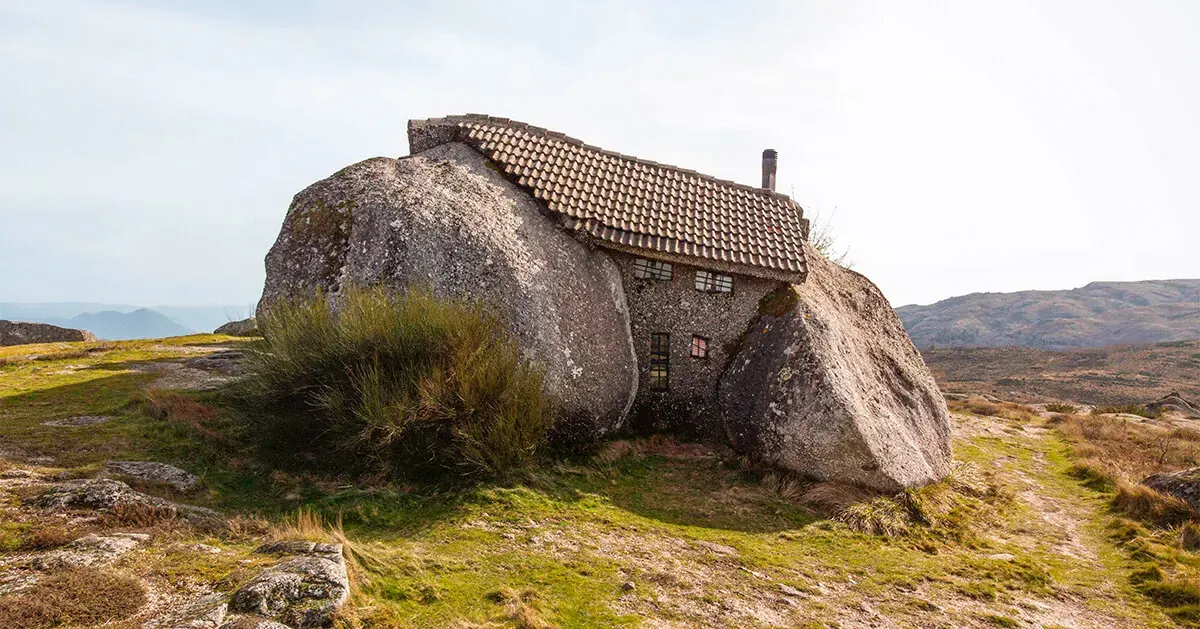
A new book, “Weird Buildings: A Global Survey of Unconventional Architecture,” explores a fascinating collection of structures that push the boundaries of design and challenge conventional expectations. Published by Hoxton Mini Press, the book, with text by Imogen Fortes, presents a global look at buildings that are playful, provocative, and visually surprising.
The publication highlights architecture that moves beyond mere function to embrace creativity, eccentricity, and bold experimentation. From homes and hotels to roadside landmarks, these buildings are united not by a specific style but by a shared willingness to rethink the possibilities of the built environment.
Featured Structures
Among the diverse examples included in “Weird Buildings” is Casa do Penedo in Fafe, Portugal. Built in 1974 and nestled between four massive boulders, this house, whose name translates to “of stone,” was initially conceived as a rural retreat for a local family. It is designed to harmonize with its natural setting while maintaining a striking sculptural presence, drawing curious visitors for tours.
In the Netherlands, the Inntel Hotel in Zaandam, completed in 2010, stands as a 12-story structure. Its design is a compilation of interpretations of traditional Dutch houses found in the region, including elements of workers’ cottages and a notary’s residence. Notably, a blue facade references a painting by Claude Monet, inspired by his visit to Zaandam.
Lebanon’s Airplane House, built in Miziara in 1975 by architect Michael Suleiman, is a distinctive two-story residence designed in the shape of an Airbus A380. It features numerous portholes along its sides and balconies extending from its wings, complete with a nose cone.
In the United States, the Big Duck in New York, erected in 1931 by architects Martin Maurer, George Reeve, William and Samuel Collins, is a landmark roadside store shaped like a duck. Originally intended for selling poultry, it is now recognized as an early example of ‘duck architecture.’ Texas is home to the Steel House in Lake Ransom Canyon, an unfinished Corten steel structure resembling a spaceship, which architect Robert Bruno worked on for three decades until his death.
Pushing Architectural Boundaries
The book emphasizes that these unconventional buildings often defy standard shapes, scales, and expectations. They encourage viewers to reconsider how humans inhabit and interact with spaces. Some structures were conceived to capture attention, others as personal artistic expressions, and some as material or formal experiments.
“Weird Buildings” places these examples within a broader architectural lineage, acknowledging the influence of designers such as Antoni Gaudí, Frank Gehry, and Zaha Hadid, as well as contemporary practices like BIG. These architects have all explored unconventional forms and innovative approaches to building design.
A Celebration of Creativity
Ultimately, “Weird Buildings” serves as a visual celebration of architecture that resists standardization. Whether grand or modest, well-known or obscure, the buildings featured underscore the creativity, eccentricity, and imagination that drive designers to explore new possibilities in the built world. In an era often characterized by uniformity, these structures stand as reminders of the value of curiosity, playfulness, and experimentation in architecture.
Key facts
| Feature | Detail |
|---|---|
| Publication Title | Weird Buildings: A Global Survey of Unconventional Architecture |
| Author | Imogen Fortes |
| Publisher | Hoxton Mini Press |
| Focus | Playful, provocative, and visually surprising architectural designs |
| Featured Examples | Casa do Penedo, Inntel Hotel Zaandam, Airplane House, Big Duck, Steel House |
This book offers a valuable perspective for architecture enthusiasts and professionals by showcasing how imagination and a willingness to deviate from norms can lead to remarkable and memorable structures. It highlights the diverse ways architects engage with context, culture, and personal vision to create buildings that stand out.
Source: Designboom – https://www.designboom.com/architecture/ducks-spaceships-weird-buildings-book-unconventional-worldwide-hoxton-mini-press-imogen-fortes-08-21-2025/
Source
Designboom Original publication: 2026-07-17T01:30:23+00:00
Related news
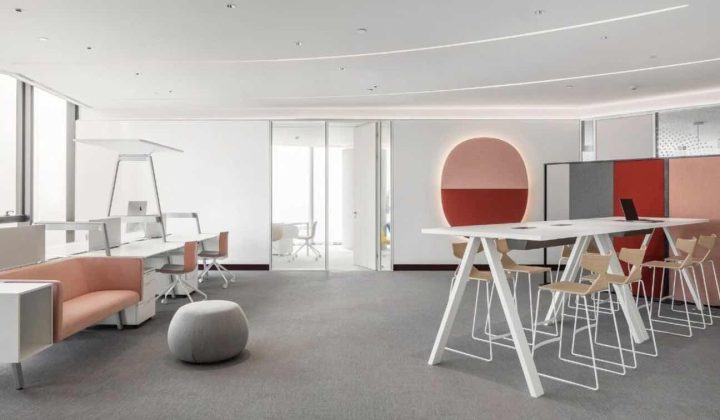
HONG Designworks Completes Private Office in Xi’an That Balances Memory, Materiality, and Long-Term Use
The Xi’an office by HONG Designworks integrates a folded steel staircase, retained furniture from a previous workspace, and a restrained purple-gray palette…
Read more
Handwoven Teak and Cord Outdoor Seating Debuts from Masaya and Abril Zepeda
Nicaraguan furniture brand Masaya has introduced two new handcrafted outdoor chairs — a rocking chair and a lounge chair — designed by…
Read more
Place in Mind: Hendricks Churchill Launches Hospitality Group to Revive Historic Properties
The architecture and interior design studio Hendricks Churchill has launched Place in Mind, a new hospitality group focused on acquiring, restoring, and…
Read more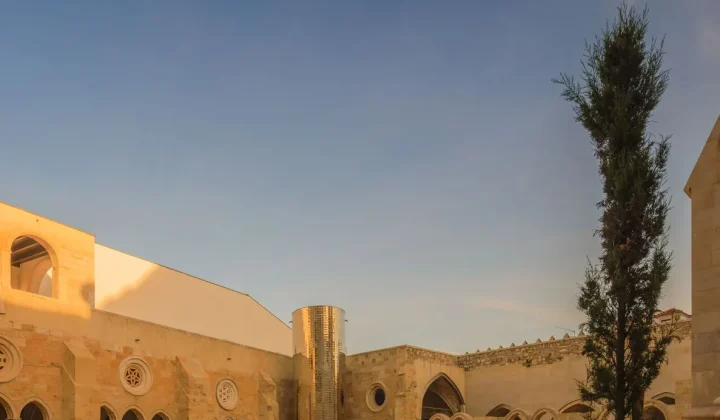
Adalberto Dias Architects Complete Restoration of Lisbon’s Patriarchal Cathedral and Archaeological Center
The restoration of the Sé de Lisboa by Adalberto Dias Arquitecto integrates a new archaeological center, preserved cloisters, and seven centuries of…
Read moreRelated wiki
Adaptive Reuse in Architecture
Reference page for reuse, retrofit, conversion, embodied carbon and design constraints.
Read more