
Interior Educators Showcase Regenerative Design in Award-Winning Student Projects
Student projects exploring ant colony structures, material experiences, and reimagining industrial sites for environmental research have been recognized by Interior Educators, highlighting a focus on regenerative practices in interior design education.
A strong emphasis on regenerative practices is at the forefront of interior design education, as highlighted by the recent award-winning student projects from Interior Educators. These projects, recognized for their innovative approaches, span a range of themes from biomimicry inspired by ant colony structures to the thoughtful exploration of material experiences and the repurposing of industrial heritage for environmental research.
Student Innovation in Focus
The Interior Educators’ showcase celebrates student work that pushes the boundaries of conventional interior design, with a particular focus on sustainability and ecological responsibility. This year’s awards bring attention to projects that not only consider aesthetic and functional aspects but also their broader environmental and social impact.
Among the recognized projects is a design informed by the intricate interiors of ant colonies. This approach likely draws inspiration from the efficiency, organization, and natural systems found in ant societies to propose novel interior environments. Such biomimetic strategies are increasingly vital in creating spaces that are both innovative and in harmony with natural processes.
Another notable project delves into the power of material choices to shape meaningful interior experiences. This work underscores the importance of selecting materials that not only contribute to the visual and tactile qualities of a space but also possess sustainable credentials or evoke specific emotional and psychological responses. The careful curation of materials can significantly influence how occupants interact with and feel within an interior.
Reimagining Industrial Spaces
A compelling proposal aims to transform the former Harbour Mills at Deepwater Quay into a dynamic center for environmental research. This project addresses the critical need for adaptive reuse of existing structures, particularly industrial heritage sites, and repurposes them for vital contemporary functions. By envisioning this space as a hub for environmental studies, the project highlights the potential for architectural interventions to support ecological understanding and innovation.
The significance of these student projects lies in their proactive engagement with regenerative design principles. Regenerative design goes beyond sustainability by aiming to restore and improve the environment. These students are not just minimizing negative impacts but are actively seeking to create positive ecological and social outcomes through their design proposals.
Interior Educators’ Role
Interior Educators, an organization dedicated to advancing interior design education, plays a crucial role in fostering this new generation of designers. By providing a platform for student work and recognizing excellence, they encourage critical thinking about the future of the built environment. The emphasis on regenerative practice signals a shift in pedagogical priorities, preparing students to tackle complex global challenges with innovative and responsible design solutions.
The award-winning projects serve as a testament to the evolving landscape of interior design, where ecological consciousness, material innovation, and the thoughtful integration of human needs with environmental well-being are paramount. These student achievements offer a glimpse into a future where interior spaces are not only designed but are also regenerative forces within their contexts.
Key facts
| Aspect | Details |
|---|---|
| Organization | Interior Educators |
| Focus | Award-winning student projects, regenerative practice |
| Noteworthy Themes | Biomimicry (ant colony interiors), material experience, industrial site repurposing for research |
| Site Example | Reimagining former Harbour Mills at Deepwater Quay into an environmental research center |
| Published by Source | Dezeen |
| Publication Date (Source) | July 7, 2026 |
The development of these award-winning projects by Interior Educators underscores a growing commitment within design education to address pressing environmental concerns. By championing regenerative practices, these students are not only producing innovative design concepts but are also contributing to a broader dialogue about how the built environment can actively contribute to ecological restoration and societal well-being. This focus is particularly relevant for Paionia7 readers interested in sustainable architecture, urbanism, and forward-thinking design solutions.
Source: Dezeen – Award-winning student projects from Interior Educators spotlight regenerative practice (https://www.dezeen.com/2026/07/07/interior-educators-regenerative-practice-schoolshows/)
Source
Dezeen Original publication: 2026-07-07T20:00:17+00:00
Related news
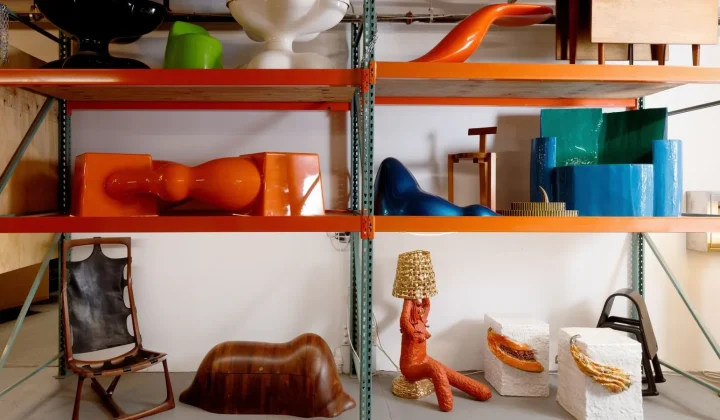
R & Company Opens Its Brooklyn Archive to the Public, Revealing 10 Rare Design Finds
The celebrated design gallery R & Company has opened its 16,000 sq ft storage facility, Building 86, in the Brooklyn Navy Yard…
Read more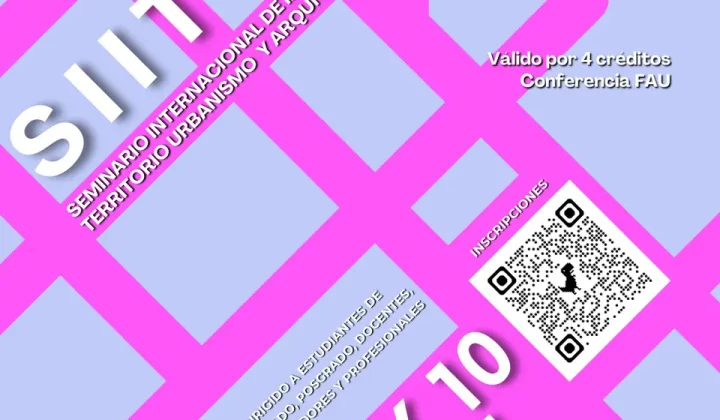
SIITUA III to Gather International Researchers on Territory, Urbanism, and Architecture in Lima
The third edition of the International Seminar on Research in Territory, Urbanism, and Architecture (SIITUA III) will take place in Lima, organized…
Read more
Christopher Kane brings streamlined, heritage-driven vision to Mulberry in London Fashion Week debut
The Scottish designer presented his first collection for the British leather goods house at London Fashion Week, blending sharp tailoring, archival references…
Read more
When Film Directors Become Interior Designers: Guadagnino, Lynch, Anderson and Almodóvar Step Off Screen
From Luca Guadagnino’s Zara Home collection to David Lynch’s Paris club and Wes Anderson’s train carriage, a wave of collaborations is blurring…
Read moreRelated wiki

Adaptive Reuse in Architecture
Reference page for reuse, retrofit, conversion, embodied carbon and design constraints.
Read more