
R & Company Opens Its Brooklyn Archive to the Public, Revealing 10 Rare Design Finds
The celebrated design gallery R & Company has opened its 16,000 sq ft storage facility, Building 86, in the Brooklyn Navy Yard to the public for the first time, offering access to a trove of rare prototypes and design objects. Co-founders share their top discoveries.
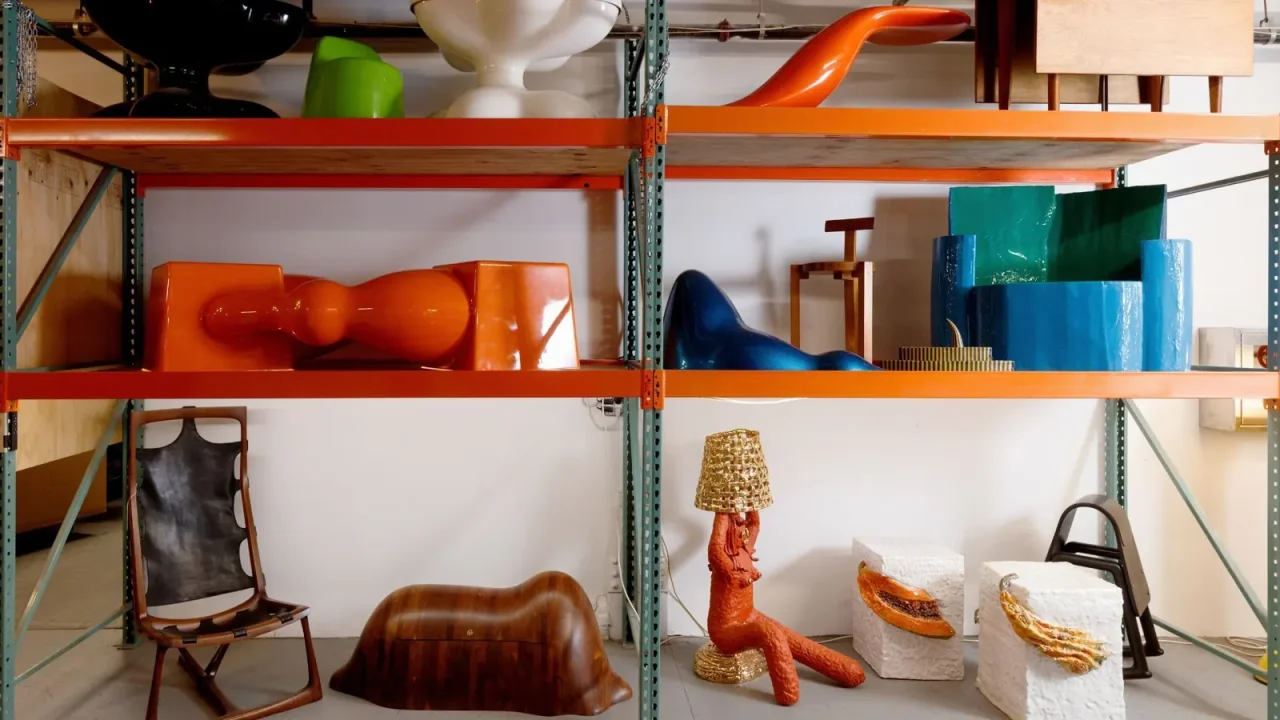
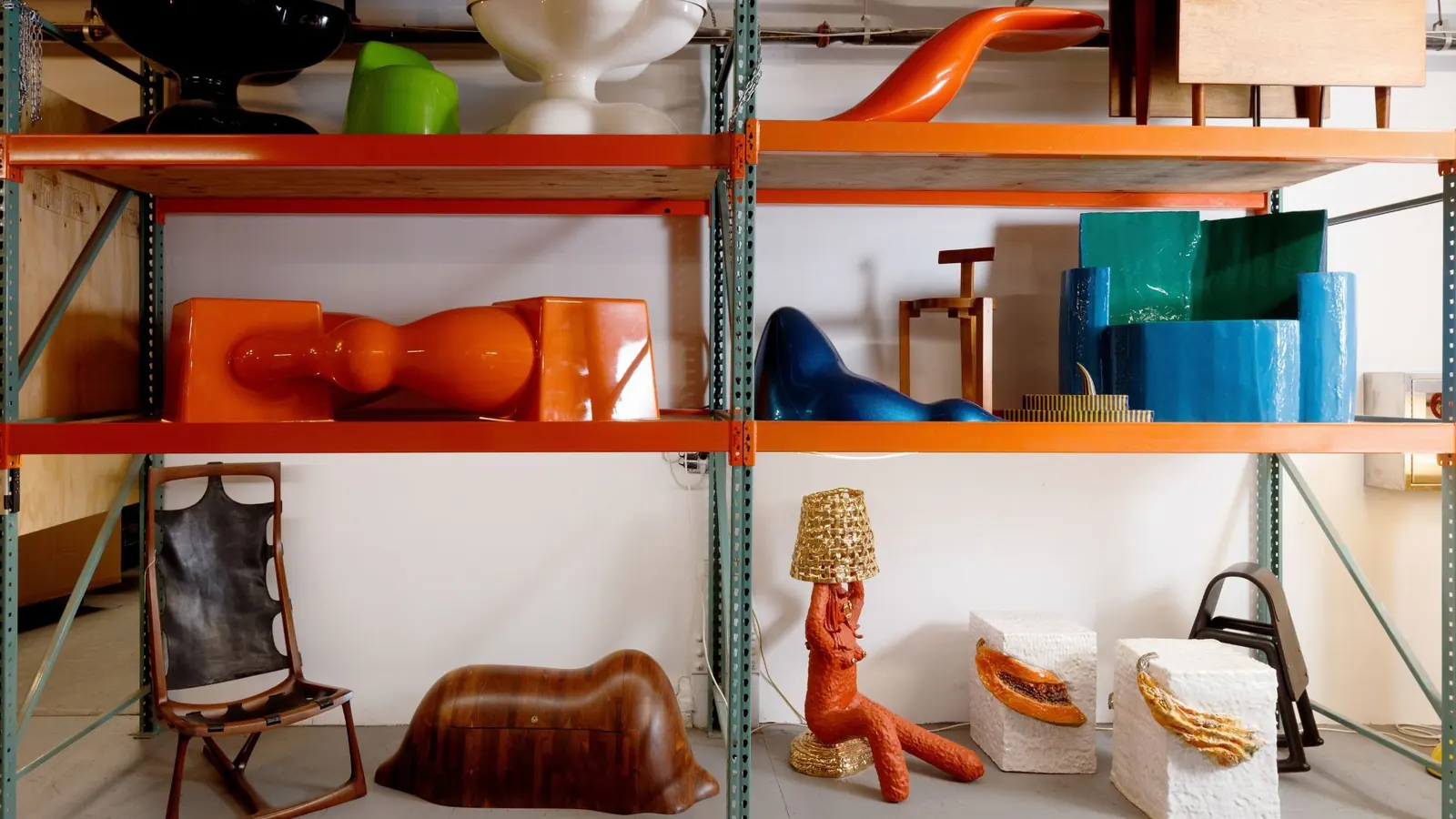
New York’s design landscape has a new destination for collectors, designers, and enthusiasts. R & Company, one of America’s most respected collectible design galleries, has opened its long-time storage facility, Building 86, to the public for the first time. Located in a former machine shop in the Brooklyn Navy Yard, the 16,000 sq ft warehouse has housed the gallery’s permanent collection, designer archives, photo studio, and administrative spaces for nearly a decade. Now, by appointment, visitors can wander through towering shelves of rare prototypes, production failures, and design B-sides, arranged without a fixed curatorial thesis.
Co-founders Zesty Meyers and Evan Snyderman recognized that the space’s potential extended beyond storage. “The idea of being able to share 30 years of collecting with our clientele seemed like a really great idea,” Snyderman told Wallpaper*. “Everything in this building has a story.” The archive is designed to foster serendipity, with objects from France, Denmark, and beyond placed side by side, from modernist titans to obscure contemporary makers. “We have things we’ve owned, collected, wanted, lived with, cherished, loved, found – you name it,” Meyers added.
Por que importa
Key facts
| Detail | Information |
|——–|————-|
| Venue | Building 86, Brooklyn Navy Yard, New York |
| Size | 16,000 sq ft (approx. 1,486 sq m) |
| Access | By appointment, open to collectors, designers, and the public |
| Curatorial approach | No fixed thesis; items displayed on shelves for self-guided discovery |
The archive’s opening highlights a growing trend in the design world: making private collections and storage spaces accessible beyond the traditional gallery or museum setting. For R & Company, this move allows a deeper engagement with the stories behind the objects, many of which have never been publicly displayed.
Contexto
Snyderman and Meyers selected ten of their favorite finds from the archive, each with a distinct narrative. Among them is a fibreglass floor lamp by Wendell Castle, created between the late 1960s and early 1970s. Castle, best known for his woodwork, briefly switched to fibreglass after being inspired by the Italian Radical Design movement and a MoMA exhibition, “The New Domestic Landscape.” The lamp, described by Snyderman as “sparkly blue like a hot rod color,” features a small strip of clear plexiglass at the base, producing only a faint glow. “The whole thing is absurd, and that’s what I love about it,” Snyderman said.
Another highlight is a Verner Panton cat sculpture, produced by the Swiss toy maker Naef. The object, made from interlocking six-sided cubes with plastic clips, was notoriously difficult to assemble. Meyers noted that it failed as a product because adults could not put it together, let alone children. “It’s harder than Lego,” he said. The gallery has been buying and selling these rare sets for decades, and clients who purchased them in the 1990s have refused to sell them back. “No one wants to get rid of the good Verner Panton,” Meyers added.
A chair by Garry Knox Bennett, an early American studio furniture maker and contemporary of Wendell Castle, is another standout. Bennett, who started his career making elaborate roach clips and jewelry in the 1960s, transitioned to furniture with a distinctive combination of fine metalwork and eccentric woodwork. The chair features silver hand-hammered nails on the seat, blending furniture and jewelry. Snyderman used the chair in his office for years before retiring it to preserve it.
The archive also includes a flat file by Danish cabinet makers, executed with pine handles, which Meyers described as exceptionally beautiful. “I’ve never seen a flat file executed by Danish cabinet makers,” he said. The piece has been purchased exclusively by art collectors. Additional finds include work by Lapo Binazzi, the Italian architect and designer, though details on his piece were not fully detailed in the source.
For collectors and design professionals, the archive offers a rare opportunity to view objects outside the constraints of a gallery exhibition or museum permanent collection. The space allows for direct interaction with pieces that may have been overlooked or underappreciated, providing a deeper understanding of design history and material culture.
The opening of Building 86 also reflects a broader shift in the design market, where provenance, rarity, and backstory increasingly drive value. By making its storage facility public, R & Company is positioning itself as a resource for research and discovery, not just sales.
Source: Wallpaper* – https://www.wallpaper.com/design-interiors/furniture/this-secret-brooklyn-archive-contains-a-trove-of-design-rarities-here-are-10-exceptional-finds
Datos clave
| Punto | Detalle |
|---|---|
| Fuente | Wallpaper |
| Fecha | 2026-09-22T21:05:08+00:00 |
| Tema | This secret Brooklyn archive contains a trove of design rarities. Here are 10 exceptional finds |
Source
Wallpaper Original publication: 2026-09-22T21:05:08+00:00
Related news
SIITUA III to Gather International Researchers on Territory, Urbanism, and Architecture in Lima
The third edition of the International Seminar on Research in Territory, Urbanism, and Architecture (SIITUA III) will take place in Lima, organized…
Read more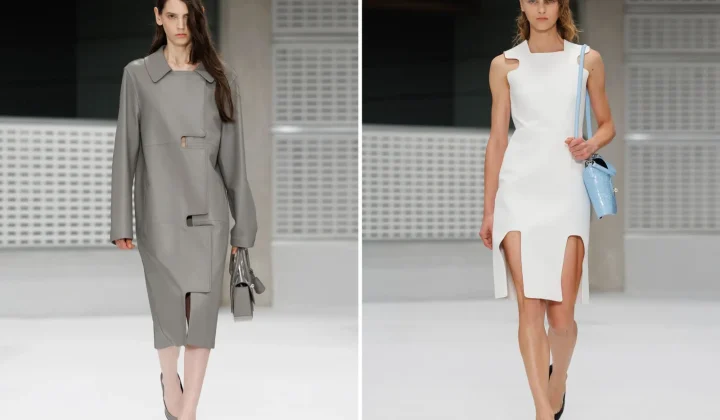
Christopher Kane brings streamlined, heritage-driven vision to Mulberry in London Fashion Week debut
The Scottish designer presented his first collection for the British leather goods house at London Fashion Week, blending sharp tailoring, archival references…
Read more
When Film Directors Become Interior Designers: Guadagnino, Lynch, Anderson and Almodóvar Step Off Screen
From Luca Guadagnino’s Zara Home collection to David Lynch’s Paris club and Wes Anderson’s train carriage, a wave of collaborations is blurring…
Read more
Jesus Mari Lazkano Examines Changing Landscapes Through Painting and Animated Film at Basque Luxury Studio
The Basque artist’s exhibition ‘Azken Natura’ brings together six large-scale paintings and a 22-minute animated film that traces the melting of the…
Read moreRelated wiki
Adaptive Reuse in Architecture
Reference page for reuse, retrofit, conversion, embodied carbon and design constraints.
Read more