
Italy’s 2026 Hotel Openings Highlight Adaptive Reuse and Design Innovation
A new wave of Italian hotel restorations and architectural debuts spans from the Dolomites to Sicily, emphasizing adaptive reuse, contemporary alpine suites, and historic preservation.
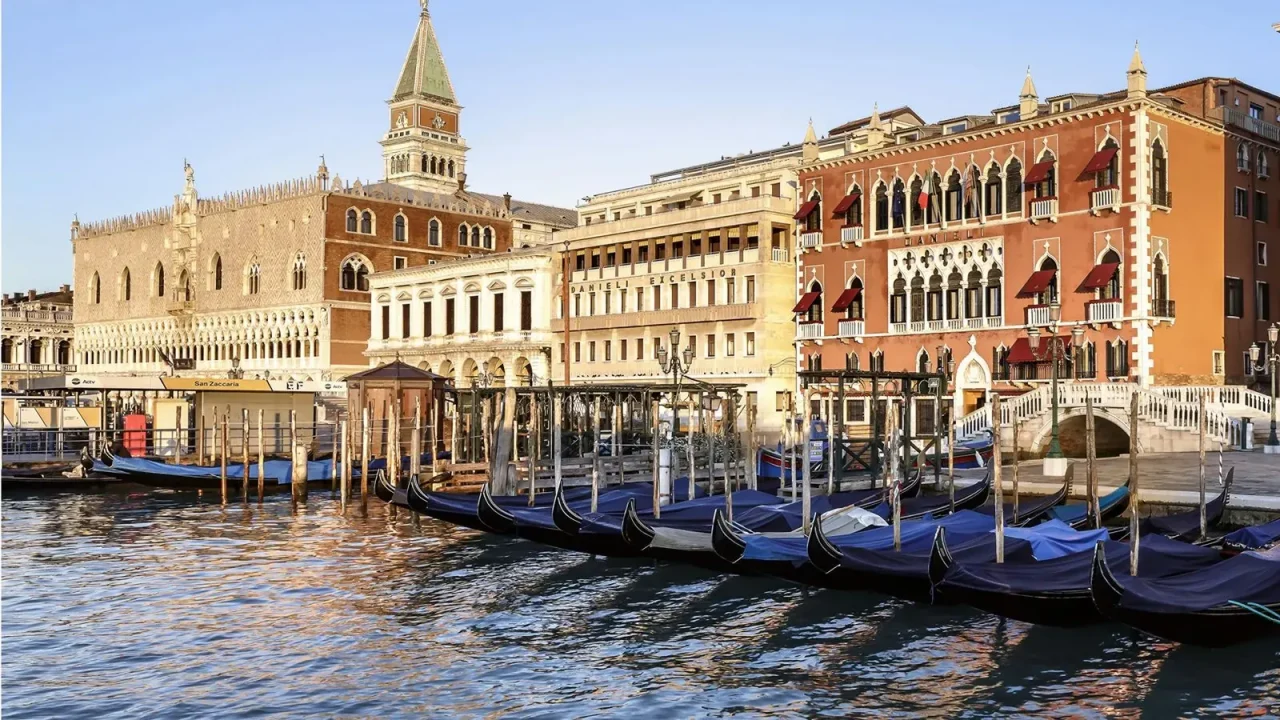
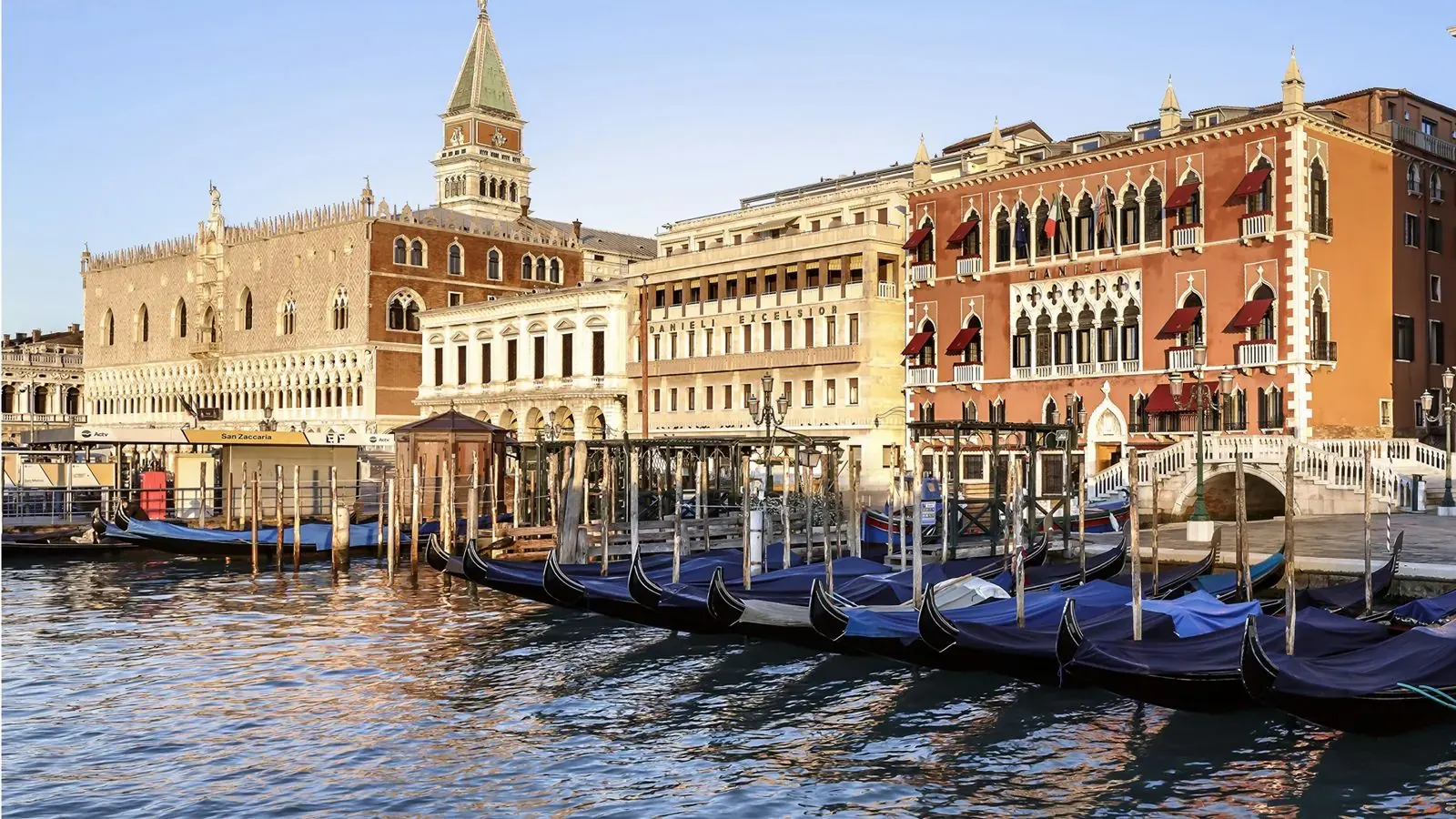
Italy’s hospitality landscape is undergoing a significant design evolution in 2026, shifting focus toward meticulous historic restorations, art-integrated residences, and progressive interior concepts. Rather than relying solely on traditional Mediterranean aesthetics, a new roster of openings and reopenings across Venice, Florence, the Dolomites, and Lake Como highlights how contemporary architects and furniture brands are reimagining historic structures for modern travelers.
Alpine Design Innovations in Cortina d’Ampezzo
In the northern mountain resort of Cortina d’Ampezzo, hospitality venues are expanding beyond conventional chalet vernacular. Hotel Ambra Cortina has introduced the Lanterna HiFi Bar & Lounge, marking the Dolomites’ first vinyl-focused listening lounge alongside Zelda’s Cocktail Club, which features custom ephemera by Toiletpaper magazine. Meanwhile, Italian furniture manufacturer Henge has completed its first hospitality venture by unveiling the Henge Suite at the Rosapetra Spa Resort. Designed by architect Isabella Genovese, the suite replaces alpine clichés with restrained bespoke joinery, natural materials, a private sauna, and a 50-square-metre terrace overlooking the Unesco-listed Tofane peaks.
Key facts
Property Name | Location | Design Firm / Key Feature
Hotel Ambra Cortina | Cortina d’Ampezzo | Lanterna HiFi Bar & Lounge and vinyl listening space
Rosapetra Spa Resort (Henge Suite) | Cortina d’Ampezzo | Architect Isabella Genovese and bespoke Henge furnishings
La Darbia | Greve in Chianti | Studio Primatesta restoration across 11th-century farmhouses
Villa San Michele | Fiesole, Florence | Luigi Fragola Architects restyling and new Guerlain spa
Historic Transformations Across Tuscany
Tuscan properties are similarly prioritizing heritage conservation paired with contemporary craftsmanship. In Greve in Chianti, Studio Primatesta has completed the restoration of La Darbia, a hilltop estate set across 11th-century farmhouses within a 15-hectare agricultural landscape. The 17 suites incorporate regional materials such as pietra serena, terracotta, and travertine, complemented by traditional woodworking by artisan Flavio Bettio. Closer to Florence, Belmond’s Villa San Michele in the Fiesole hills celebrated its official reopening following an extensive restyling by Luigi Fragola Architects. The former Franciscan monastery now includes a new Guerlain spa and the Antesi dining concept by Chef Alessandro Cozzolino. Rocco Forte Hotels has also expanded its Italian portfolio with the debut of Hotel Savoy in Florence’s Piazza della Repubblica, featuring interiors by Olga Polizzi and a contemporary Italian art collection.
Art-Driven Concepts on Lake Como
Lake Como continues to attract experimental hospitality formats that merge accommodation with cultural programming. Building on their existing portfolio with Passalacqua and Grand Hotel Tremezzo, the De Santis family has launched Casabianca Suites in the town of Como. Originally functioning as an art gallery, the property now offers three suites designed by architect Corrado Tagliabue. Each space is conceived around specific contemporary artists and mid-century Italian design pieces, providing guests with immersive overnight artist-residence experiences alongside after-hours gallery access.
Why This Matters for Design Professionals
For architects, interior designers, and urban hospitality developers, the 2026 Italian hotel openings demonstrate a viable commercial model for adaptive reuse. By partnering with contemporary furniture brands, independent artists, and heritage preservation specialists, these projects protect historic fabric while satisfying consumer demand for distinct, culturally grounded design. The integration of site-specific craft and art curation establishes a benchmark for high-end hospitality interventions in historic European contexts.
Source: Wallpaper, From Venice to Sicily, these are Italy’s most exciting new hotels, https://www.wallpaper.com/travel/hotels/best-new-hotels-italy
Datos clave
| Punto | Detalle |
|---|---|
| Fuente | Wallpaper |
| Fecha | 2026-07-29T18:35:56+00:00 |
| Tema | From Venice to Sicily, these are Italy’s most exciting new hotels |
Source
Wallpaper Original publication: 2026-07-29T18:35:56+00:00
Related news
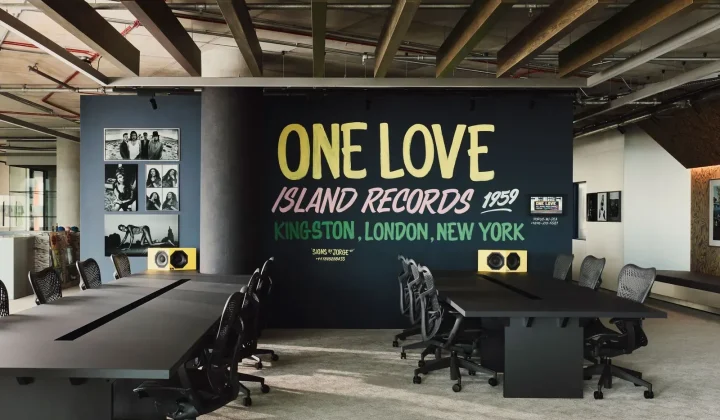
Inside Island Records and EMI’s new London HQ, where design meets music heritage
Interesting Projects and Studio Island transform a King’s Cross office into a gallery-like space that weaves together the iconic labels’ histories through…
Read more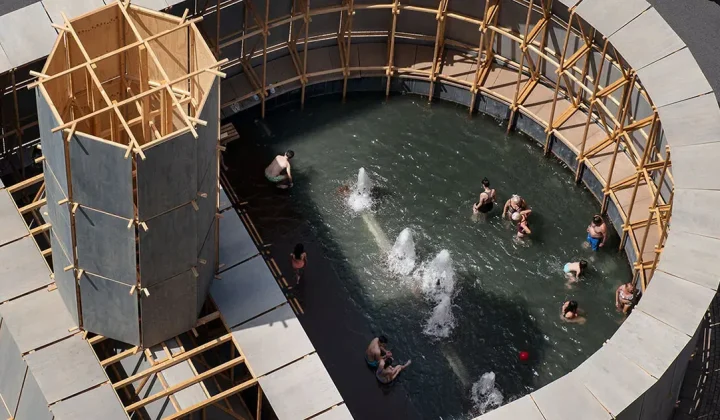
How Urban Architecture and Public Space Shape the Right to Rest in Modern Cities
Examining how architects and urban planners repurpose dense urban environments to create permanent public spaces for leisure, play, and unstructured rest.
Read more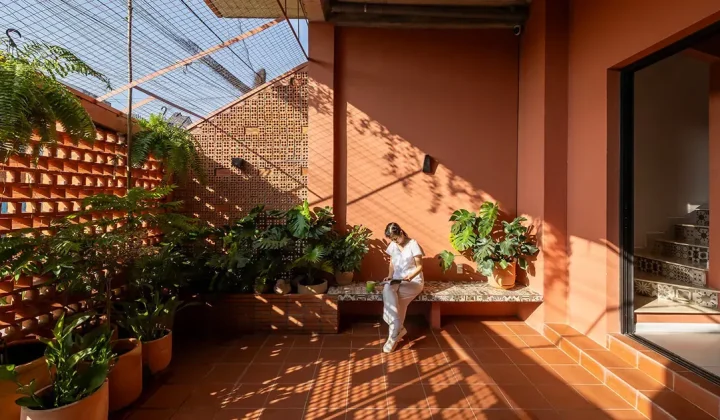
NAQ Architecture Wraps Vĩnh Long House in Recycled Terracotta Screens
NAQ Architecture completes Vĩnh Long House in Vietnam, using a double skin of recycled terracotta bricks from Mang Thít to cool the…
Read more
L.E.FT’s Ziad Jamaleddine and Makram el-Kadi Release New Book on Language and Architectural Translation
Architecture practice L.E.FT explores how linguistic translation and cultural vocabulary can generate alternative spatial practices, moving beyond traditional Western typology in a…
Read moreRelated wiki

Adaptive Reuse in Architecture
Reference page for reuse, retrofit, conversion, embodied carbon and design constraints.
Read more