Korean Air Elevates Airport Lounge Experience with Luxury Hospitality Design
Korean Air has unveiled a significant overhaul of its Incheon International Airport lounges, transforming them into sophisticated hospitality spaces that reflect the airline's evolving brand identity and commitment to world-class standards.
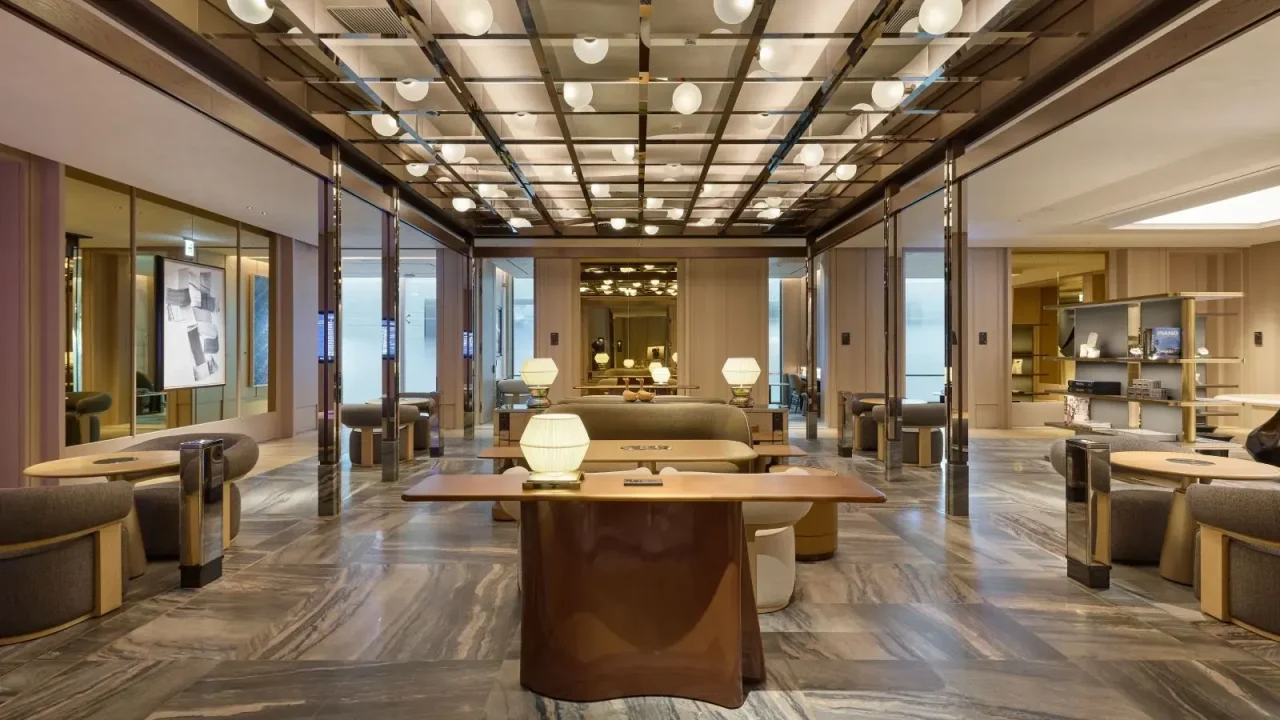
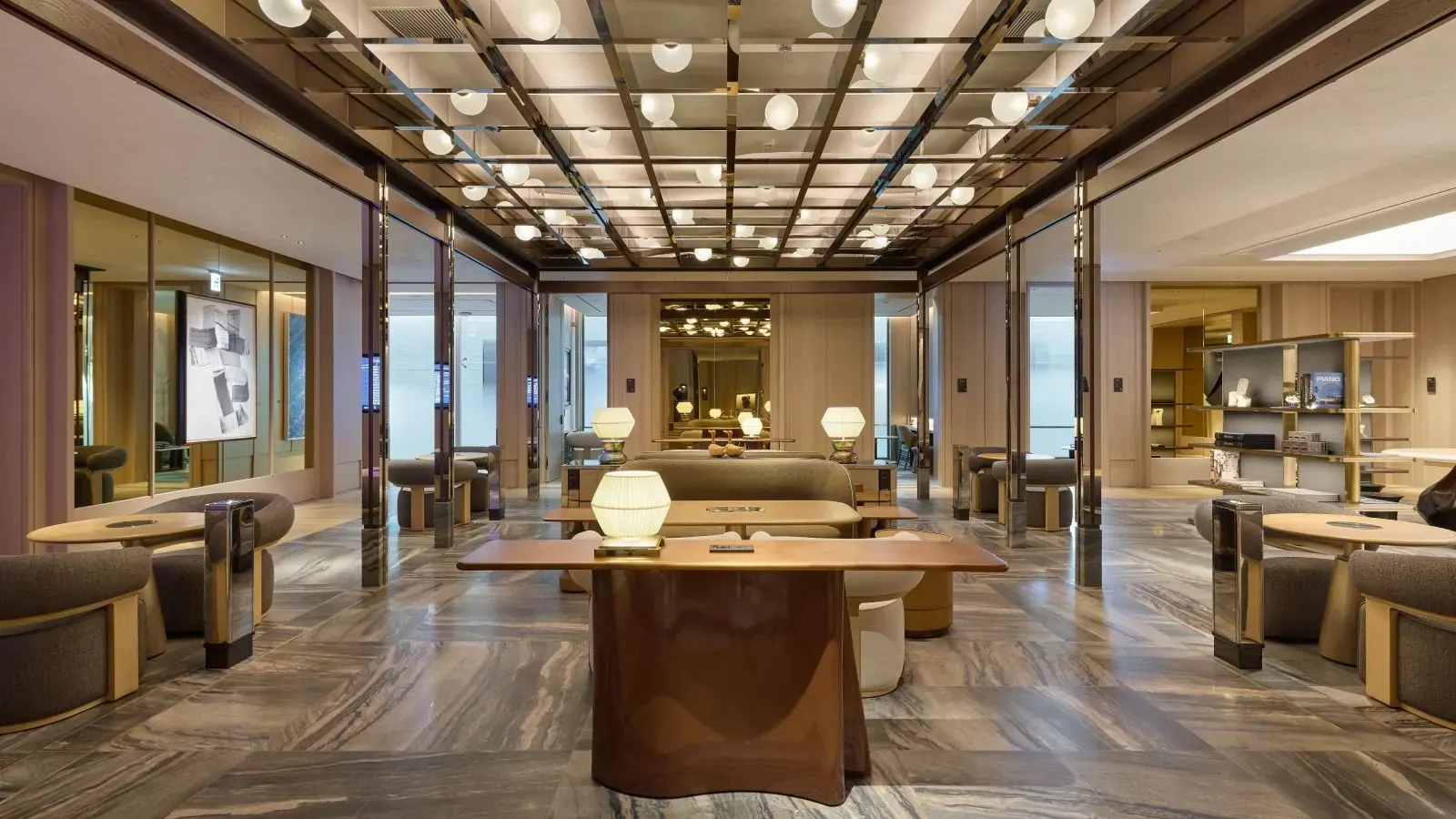
Korean Air is setting a new benchmark for airport travel with the extensive redesign of its lounge network at Incheon International Airport (ICN) Terminal 2. The project, a 42-month, KRW 110 billion endeavor, has transformed the airline’s lounge spaces from functional waiting areas into expressions of luxury hospitality, mirroring its recent brand makeover.
A Focus on Elevated Standards
David Pacey, Korean Air’s executive vice president and chief of in-flight service and lounges, likens the meticulous approach to sourcing high-quality coffee beans to the airline’s overall philosophy for its lounges. “The coffee is a metaphor,” Pacey explained, highlighting the patience, expertise, and refusal to compromise on quality that underpins the new lounge experience. This operational ethos is now central to Korean Air’s brand language, with the lounges serving as a tangible representation of the airline’s aspirations.
The lounge redesign aligns with Korean Air’s broader brand refresh, which began in 2025 and was the first since 1984. The airline adopted a cleaner, more contemporary aesthetic, with its signature blue spectrum featured prominently. This commitment to a world-class experience extends across design, fit-out, food and beverage, and customer service.
Expansion and Transformation
The overhaul has dramatically expanded Korean Air’s lounge footprint at Terminal 2, growing from 5,105 to 12,270 sq m, with seating capacity increasing from 898 to 1,566. The terminal now hosts seven distinct lounges, including First Class, Miler Club, Prestige East, Prestige West, and two Garden lounges.
Pacey candidly described the previous lounges as “very vanilla,” characterized by a lack of distinctiveness and an open, overly white design that customers found akin to a “large doctor’s waiting room.” The ambition for the new lounges is to create an environment that feels integral to the airline journey rather than a mere prelude administered by the airport. The goal, as Pacey put it, is to create “a lounge at the airport as opposed to an airport lounge.”
First Class Lounge: A Gastronomic Haven
The First Class Lounge, at 921 sq m, is the most exclusive and concentrated expression of this new vision. Designed to welcome guests like an upscale restaurant, it features 11 private suites within an open hall. Instead of buffets, passengers can enjoy à la carte dining at tables set with Bernardaud porcelain, Christofle cutlery, and Baccarat glassware. The menu features Korean delicacies such as Wando abalone seaweed porridge and wild mushroom galbitang. Further amenities include Ceragem massage chairs, shower suites with Aesop products, and dedicated relaxation zones.
Miler Club and Prestige Class Lounges
The Miler Club Lounge caters to Korean Air’s most frequent travelers, including elite SkyPass members and long-haul flyers. It balances efficiency with comfort, offering live cooking stations for made-to-order dishes, a dedicated bakery, barista-crafted coffee, a full-service bar, and various seating arrangements.
The Prestige Class West Lounge, the largest single lounge at ICN at 2,615 sq m with over 420 seats, is designed to manage the high volume of passengers during peak departure times. Despite its scale, the design incorporates distinct zones for dining, working, and resting, using changes in furniture, lighting, and circulation to create intimate environments.
Culinary Excellence On-Site
The lounges feature culinary offerings prepared on-site by Grand Hyatt Incheon chefs, guided by Korean Air’s culinary consultant Kim Sea-kyeong. The menus showcase Korean comfort foods like tteokguk and janchi guksu, alongside freshly prepared gimbap (approximately 1,000 rolls daily). Western favorites, soft-serve ice cream, specialty coffee, and a full bar service are also available. The noodle program has become a signature element, with the Prestige East Left Lounge even housing a “Ramyeon Library” where passengers can customize instant noodle selections.
Key facts
| Feature | Detail |
| :——————————– | :——————————– |
| Project scope | Redesign of Korean Air lounges at ICN Terminal 2 |
| Investment | KRW 110 billion (approx. $90 million USD) |
| Expansion | From 5,105 sq m to 12,270 sq m |
| Seating capacity increase | From 898 to 1,566 |
| Number of lounges | Seven (First Class, Miler Club, Prestige East, Prestige West, two Garden lounges) |
This development matters to Paionia7 readers as it showcases a significant trend in the architecture and design industry: the elevation of functional spaces like airport lounges into high-design, hospitality-focused environments. It demonstrates how airlines are using design to reinforce brand identity and enhance the passenger experience, integrating elements of luxury, comfort, and culinary excellence.
Source: Wallpaper – Korean Air is redefining the airport lounge as a new expression of luxury hospitality (https://www.wallpaper.com/travel/korean-air-incheon-airport-new-lounges)
Datos clave
| Punto | Detalle |
|---|---|
| Fuente | Wallpaper |
| Fecha | 2026-06-19T16:11:25+00:00 |
| Tema | Korean Air is redefining the airport lounge as a new expression of luxury hospitality |
Source
Wallpaper Original publication: 2026-06-19T16:11:25+00:00
Related news
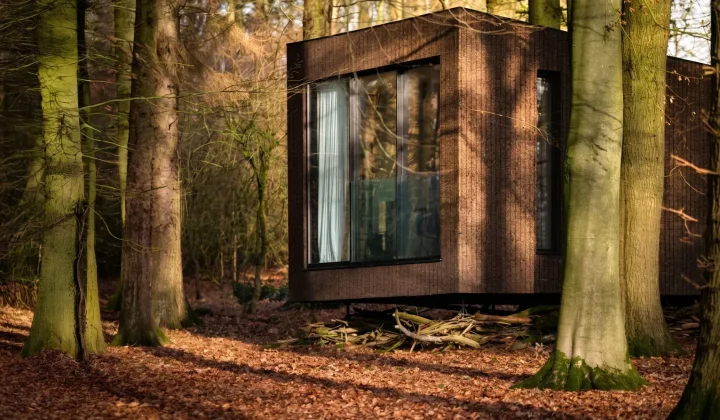
Koto launches Haku, a mobile prefab hotel suite built on a wheeled chassis to bypass UK planning restrictions
UK architecture studio Koto has unveiled Haku, a fully mobile prefabricated suite that legally qualifies as a caravan, allowing landowners and hotel…
Read more
HONG Designworks Completes Private Office in Xi’an That Balances Memory, Materiality, and Long-Term Use
The Xi’an office by HONG Designworks integrates a folded steel staircase, retained furniture from a previous workspace, and a restrained purple-gray palette…
Read more
Handwoven Teak and Cord Outdoor Seating Debuts from Masaya and Abril Zepeda
Nicaraguan furniture brand Masaya has introduced two new handcrafted outdoor chairs — a rocking chair and a lounge chair — designed by…
Read more
Place in Mind: Hendricks Churchill Launches Hospitality Group to Revive Historic Properties
The architecture and interior design studio Hendricks Churchill has launched Place in Mind, a new hospitality group focused on acquiring, restoring, and…
Read moreRelated wiki
Adaptive Reuse in Architecture
Reference page for reuse, retrofit, conversion, embodied carbon and design constraints.
Read more