L.E.FT’s Ziad Jamaleddine and Makram el-Kadi Release New Book on Language and Architectural Translation
Architecture practice L.E.FT explores how linguistic translation and cultural vocabulary can generate alternative spatial practices, moving beyond traditional Western typology in a new publication.
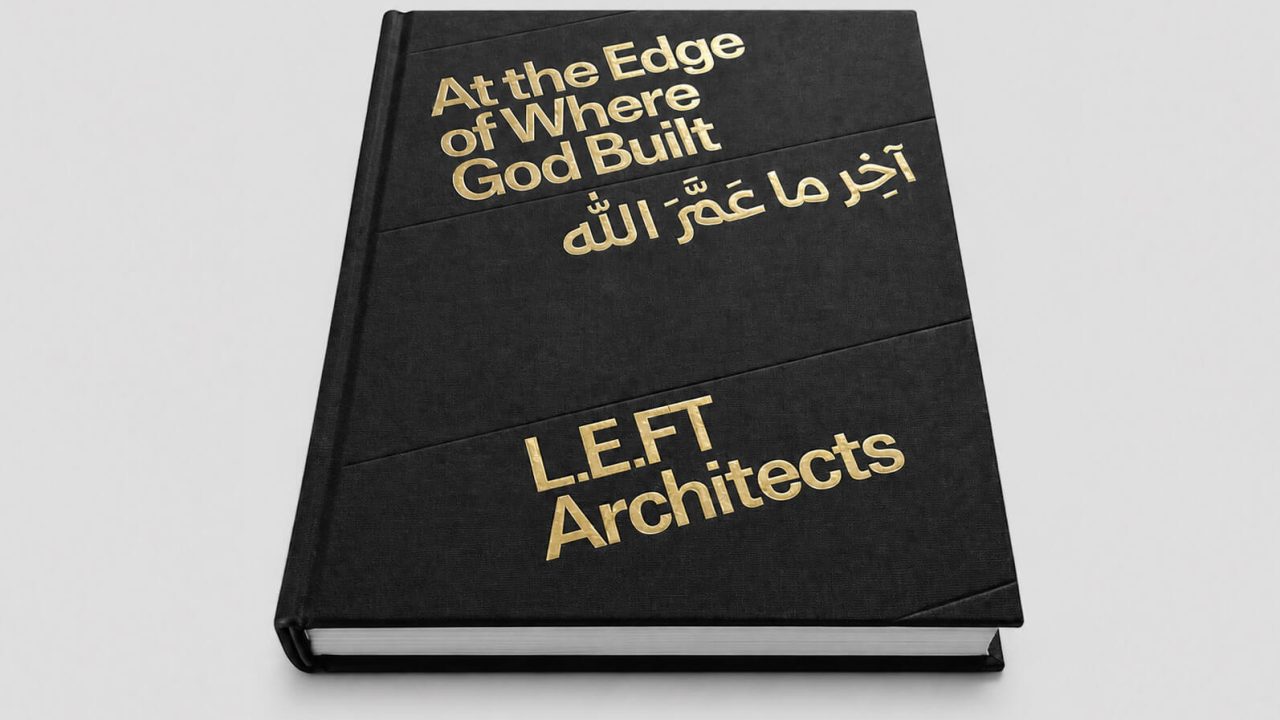
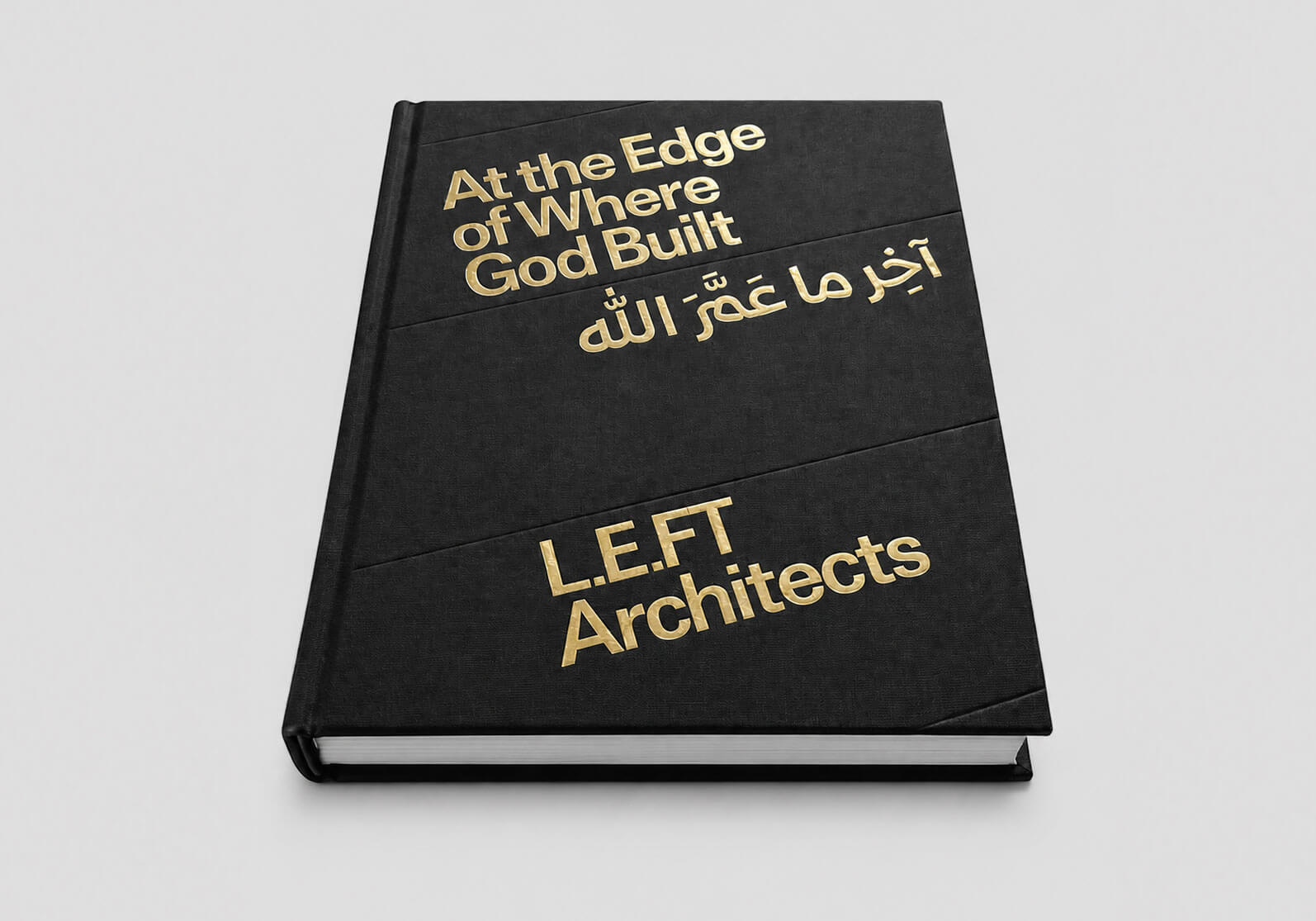
New York and Beirut-based architecture practice L.E.FT has released a new book titled At the Edge of Where God Built, published by Actar Publishers. In a recent conversation with Maryam Eskandari for The Architect’s Newspaper, firm partners Ziad Jamaleddine and Makram el-Kadi detailed how the publication investigates the role of language as an active instrument for architectural thinking. The book addresses a growing desire within contemporary architecture for knowledge systems capable of handling complex urban challenges such as climate change, migration, cultural plurality, and shifting models of collective life.
Instead of relying strictly on conventional Western forms and typologies, L.E.FT uses Arabic spatial terms as generative design tools. In their practice, canonical architectural language has frequently masked alternative forms of spatial practices. By examining the ambiguity and depth of specific terms, the architects argue that design can draw directly from historical rituals and socio-religious frameworks without falling into historical revivalism or literal imitation.
Por que importa
Key facts
Architects: Ziad Jamaleddine and Makram el-Kadi (L.E.FT)
Publication: At the Edge of Where God Built (Actar Publishers)
Core Framework: Five spatial concepts including mataf, jami, riwaq, dar, and khirba
The publication is structured around five foundational Arabic spatial concepts: mataf, jami, riwaq, dar, and khirba. Each term offers an alternative operational method rather than a static description. For instance, the term jami expands beyond the standard typological definition of a mosque to encompass community gathering spaces with deep social programs. This approach informed L.E.FT’s design for the Amir Shakib Arslan Mosque, which successfully bridged religious and secular life to unite diverse sectarian groups in Lebanon.
Contexto
Similarly, the traditional term dar, usually translated simply as a house, is re-evaluated to mean a collective space shared by extended family networks. In the House of Many Vaults project, this concept allowed multiple family households to co-exist under one expansive roof while simultaneously preserving valuable surrounding agricultural land. Other projects utilize terms like mataf to sacralize endangered natural elements, such as the Lebanese cedar, and riwaq to generate adaptive shading devices for intense urban environments.
For architectural practitioners and urban designers, shifting the focus from formal typology to linguistic concepts offers a pragmatic framework for contemporary design challenges. The authors suggest that architecture’s expanded curriculum does not require inventing entirely new vocabularies from scratch. Instead, it can recover and translate concepts already embedded in historical languages and collective practices that remain visible in plain sight.
Source: The Architect’s Newspaper, https://www.archpaper.com/2026/07/maryam-eskandari-l-e-fts-ziad-jamaleddine-language-architecture/
Datos clave
| Punto | Detalle |
|---|---|
| Fuente | The Architect's Newspaper |
| Fecha | 2026-07-29T20:08:31+00:00 |
| Tema | Maryam Eskandari in conversation with L.E.FT’s Ziad Jamaleddine on language and translation in architecture |
Source
The Architect's Newspaper Original publication: 2026-07-29T20:08:31+00:00
Related news

Handwoven Teak and Cord Outdoor Seating Debuts from Masaya and Abril Zepeda
Nicaraguan furniture brand Masaya has introduced two new handcrafted outdoor chairs — a rocking chair and a lounge chair — designed by…
Read more
Place in Mind: Hendricks Churchill Launches Hospitality Group to Revive Historic Properties
The architecture and interior design studio Hendricks Churchill has launched Place in Mind, a new hospitality group focused on acquiring, restoring, and…
Read more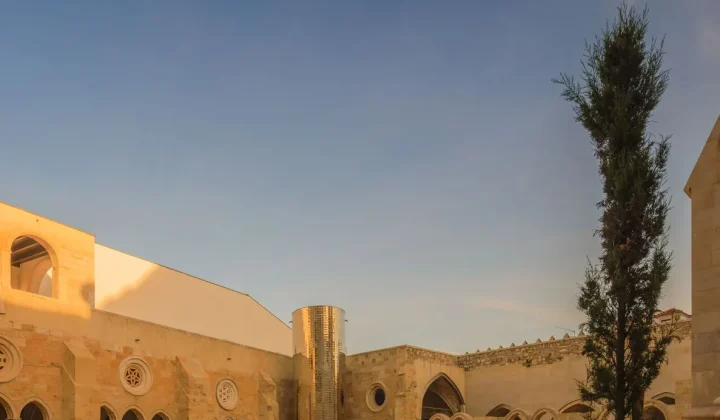
Adalberto Dias Architects Complete Restoration of Lisbon’s Patriarchal Cathedral and Archaeological Center
The restoration of the Sé de Lisboa by Adalberto Dias Arquitecto integrates a new archaeological center, preserved cloisters, and seven centuries of…
Read more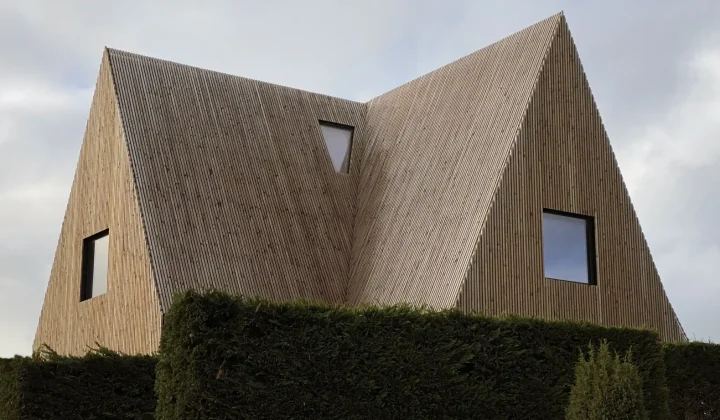
Vantieghem Talebi’s ‘House of Cards’ Brings Timber Geometry to Belgian Family Home
A new family house in Belgium by US- and Swiss-based practice Vantieghem Talebi uses a steeply pitched, card-house-inspired form clad in Douglas-fir…
Read moreRelated wiki
Adaptive Reuse in Architecture
Reference page for reuse, retrofit, conversion, embodied carbon and design constraints.
Read more