Light Flip Reimagines Dumbphone with Clamshell Design, Focuses on Intentional Communication
Light introduces the Light Phone Flip, its fourth device and first clamshell handset, designed as an antidote to app-heavy smartphones by prioritizing essential communication tools within a compact format.
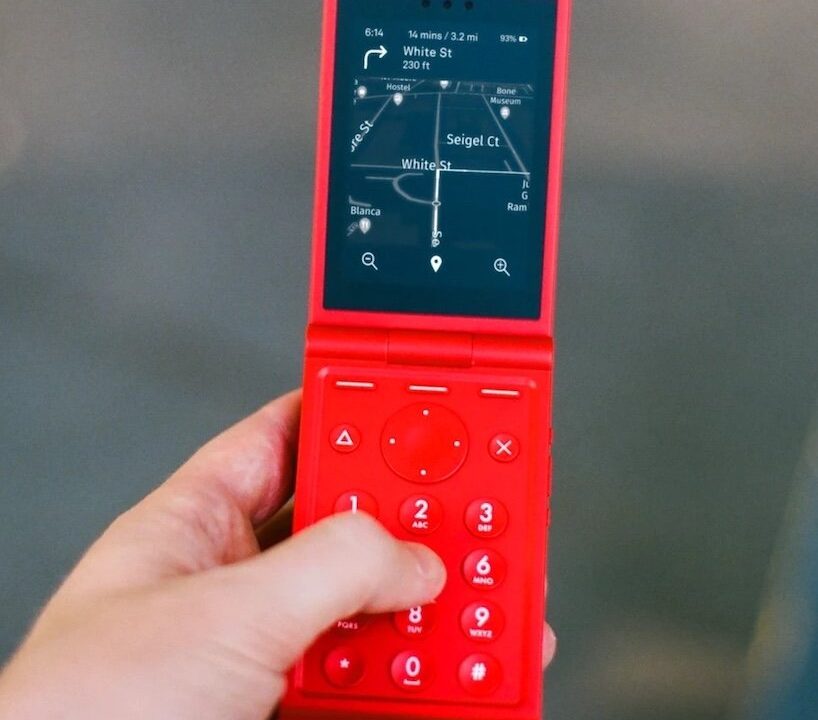
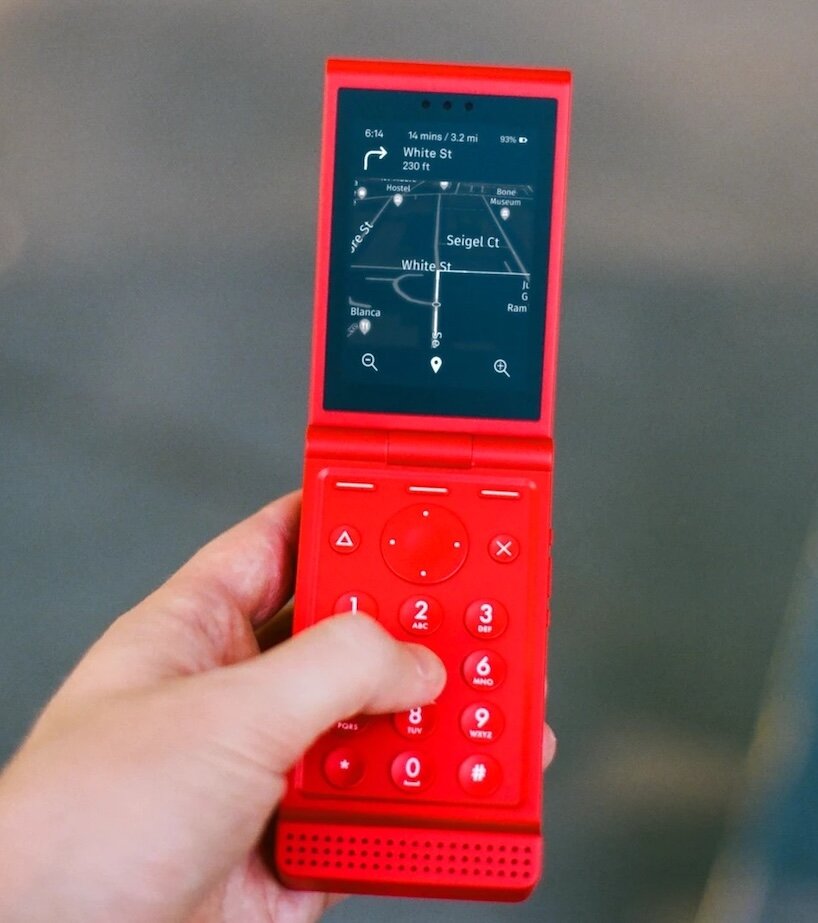
Brooklyn-based technology company Light has unveiled the Light Phone Flip, its fourth device and first clamshell handset, positioning it as a direct counter to the pervasive distractions of modern smartphones. Conceived as an alternative to app-heavy devices, the Light Phone Flip removes social media feeds, infinite scrolling, and other attention-driven platforms, concentrating instead on essential communication tools within a compact and tactile format.
The design responds to a growing demand from users, including younger generations, for a durable, current, and well-supported flip phone that offers a clear boundary between connection and disconnection. Unlike contemporary folding smartphones, the Light Phone Flip eschews flexible displays, touchscreens, and external screens. Instead, it features a single notification light when closed, with a 2.8-inch OLED display revealed upon opening, operated via a numeric keypad, directional controls, and function buttons.
Key Features and Design Philosophy
The Light Phone Flip’s operating system, LightOS, organizes its functions as a straightforward list of tools rather than a conventional app grid. Current features are limited to calls, messages, alarms, a calculator, calendar, contacts directory, directions, hotspot, music, notes and voice memos, podcasts, weather, two-factor authentication, and a timer. This curated selection is intended to support everyday needs without replicating the attention economy of a smartphone.
The device also integrates predictive T9 typing, voice-to-text, and audio messaging as practical alternatives to touch-based interaction. While NFC connectivity is omitted, the Flip retains a dedicated 3.5-mm headphone port, a feature often absent in newer smartphones. The physical act of opening and closing the phone is emphasized, turning the gesture into a symbolic division between engagement and disengagement from digital communication.
Technical Specifications and Availability
Constructed from plastic, the Light Phone Flip will be available in six colors: black, navy, red, pink, yellow, and light gray. It features USB-C charging, Bluetooth, Wi-Fi, and 5G connectivity. The device is equipped with a 12-megapixel rear camera but notably omits a front-facing selfie camera, further reinforcing its focus on utility over social media-driven photography. It boasts an IP54 rating, providing protection against limited dust exposure and splashing water.
The phone supports both nano SIM and eSIM for broad network compatibility and includes a removable 1,800-mAh battery, secured beneath a rear cover. Priced at $299, the Light Phone Flip is expected to ship in April 2027. Light is also developing a broader ecosystem through a recently launched developer program, inviting community-built and open-source tools that align with the brand’s emphasis on intentional and trustworthy technology.
Key facts
| Feature | Detail |
|---|---|
| Display | 8-inch OLED screen |
| Camera | 12-megapixel rear camera |
| Battery | Removable 1,800-mAh |
| Expected Shipping | April 2027 |
Relevance for Architecture and Design Audiences
While primarily a consumer technology product, the Light Phone Flip presents an interesting case study for the architecture and design community, particularly within the “Technology” and “Design Culture” sections of Paionia7. Its design ethos—prioritizing function, intentionality, and a reduction of digital noise—mirrors discussions in sustainable design and human-centered architecture. The deliberate choice to simplify user interaction and minimize distractions can be seen as a parallel to architectural principles that advocate for spaces designed to foster focus and well-being, rather than overwhelming occupants with excessive stimuli.
The product’s focus on physical interaction and durable materials, contrasting with the often fragile and ephemeral nature of high-tech devices, also resonates with concerns about product longevity and the environmental impact of rapid technological cycles. As technology increasingly integrates into built environments, understanding devices that challenge the status quo of constant connectivity and data consumption becomes relevant for designers shaping future living and working spaces.
Source: Designboom, https://www.designboom.com/technology/light-flip-reimagines-dumbphone-with-clamshell-design-and-no-social-media/
Source
Designboom Original publication: 2026-07-22T13:54:08+00:00
Related news
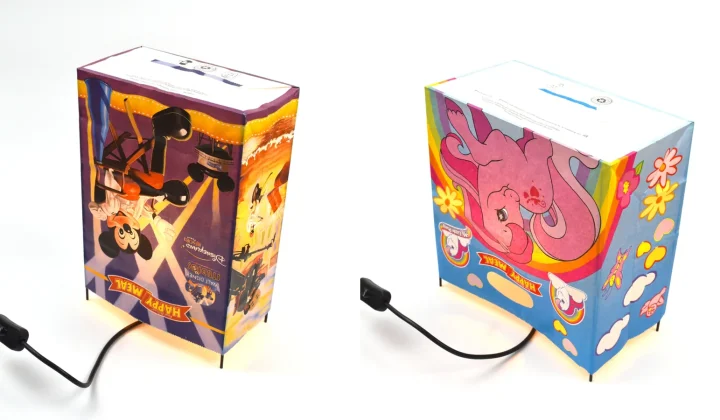
Benjamin Slinger’s ‘Empire’ Reimagines Fast-Food Branding as Design Artifacts
Artist Benjamin Slinger's 'Empire' exhibition in London transforms vintage fast-food bags into illuminating paper lanterns, challenging notions of design value and consumerism.
Read more
Haus der Kunst Exhibit Explores Children as Collaborators in Art and Architecture
An exhibition at Munich's Haus der Kunst redefines art history by showcasing works where children act as active collaborators, influencing spaces and…
Read more
Range Rover GT Unveiled: A New Direction in Luxury Electric Travel
Range Rover introduces its third all-electric model, the GT, marking a significant departure from its traditional SUV format with a focus on…
Read more
Loewe Perfumes Transforms London Ice Cream Bar into Pistachio-Themed Pop-Up
Loewe Perfumes has launched a whimsical pistachio-themed pop-up at The Dreamery in Islington, North London, celebrating its new scented candle.
Read moreRelated wiki
Adaptive Reuse in Architecture
Reference page for reuse, retrofit, conversion, embodied carbon and design constraints.
Read more