
Navigating the Hidden Financial Burdens of Architecture School
A recent analysis from Amazing Architecture highlights the substantial, often overlooked expenses of architectural education, ranging from specialized software to physical model materials and portfolio development.


Studying architecture requires an immense investment of time and creativity, but it also carries significant financial obligations that extend well beyond standard tuition and housing fees. A recent feature published by Amazing Architecture on July 28, 2026, examines the wide range of auxiliary costs architectural students face throughout their academic careers. From specialized digital tools and high-end workstations to physical model supplies and professional printing, these expenses accumulate gradually and can catch incoming students off guard.
Digital requirements represent one of the largest initial outlays for aspiring designers. Students frequently need high-performance laptops and specialized software packages, including CAD programs, rendering engines, and DWG viewers, which can easily cost upwards of $1,000 per license or machine. However, many architecture schools now mitigate these burdens by providing students with pre-loaded workstations or institutional software access for their coursework. Prospective students are advised to thoroughly review curriculum requirements before enrollment to identify which tools are subsidized or provided directly by the institution.
Por que importa
Key facts
– Publication date | July 28, 2026
– Primary source | Amazing Architecture articles
– Core expense categories | Software, model materials, printing, travel, and portfolio development
– Recommended mitigation | Institutional software access, material reuse, and early financial planning
Beyond software, physical model-making demands a continuous supply of specialized materials such as foam board, chipboard, acrylic sheets, and adhesives. Unlike traditional academic programs where material costs are minimal, architecture studio projects require frequent iteration and physical prototyping. Students can significantly curb these expenses by tapping into campus workshops, utilizing leftover materials from senior cohorts, and coordinating bulk purchasing with classmates to secure volume discounts.
Contexto
Printing and presentation boards represent another major drain on student resources. Architectural output requires large-format plotting for critiques and reviews, and minor formatting errors can lead to costly test prints that rapidly inflate weekly spending. Experts recommend conducting thorough digital checks, securing early feedback from professors on digital models, and comparing on-campus printing rates with local print shops that offer student discounts.
Field trips and mandatory site visits introduce additional logistical challenges, including transportation, lodging, and entrance fees. Planning ahead by booking travel early and sharing accommodations with peers can help stretch limited student budgets. Furthermore, building a professional portfolio is a long-term requirement for securing internships and entry-level positions, making it essential for students to archive project files and photograph models systematically from their very first semester rather than rushing the process at graduation.
Source: Amazing Architecture, https://amazingarchitecture.com/articles/the-hidden-costs-of-studying-architecture-and-how-students-can-plan-for-them
Datos clave
| Punto | Detalle |
|---|---|
| Fuente | Amazing Architecture |
| Fecha | 2026-07-28T20:03:57+00:00 |
| Tema | The Hidden Costs of Studying Architecture and How Students Can Plan for Them |
Source
Amazing Architecture Original publication: 2026-07-28T20:03:57+00:00
Related news

MIV Architects Proposes Wetland Pavilion That Prioritizes Non-Human Habitats Over Human Comfort
The Spanish firm’s “Nidos de Agua” concept for the Albufera natural park in Valencia aims to rebalance the relationship between building and…
Read more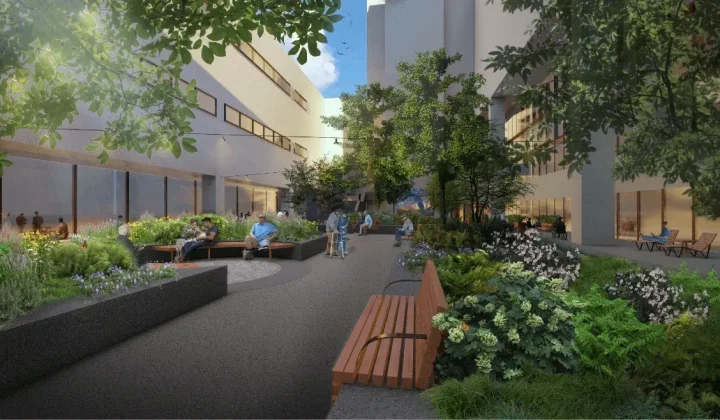
Nelson Byrd Woltz Begins Construction on Restorative Eagle Courtyard at Walter Reed Medical Center
Construction has started on a redesigned Eagle Courtyard at Walter Reed National Military Medical Center, led by Nelson Byrd Woltz Landscape Architects.…
Read more
London’s listening bar boom reflects a deeper shift in hospitality design and music culture
A wave of Japanese-inspired listening bars is reshaping London’s nightlife, but owners and critics are asking whether the concept can survive commercial…
Read more
Performing Colonial Toxicity Exhibition in Valencia Examines Architecture’s Role in Nuclear Colonialism
From 24 October to 1 November 2026, Aguas Internacionales in Valencia hosts Samia Henni’s exhibition on French nuclear testing in the Algerian…
Read moreRelated wiki
Adaptive Reuse in Architecture
Reference page for reuse, retrofit, conversion, embodied carbon and design constraints.
Read more