Prime Office in Mashhad Redesigns Workplace for Digital Marketing Firm
Ladan Kamali's Prime Office project in Mashhad, Iran, merges two office units into a fluid, light-filled workspace that prioritizes flexibility and connection over traditional enclosed rooms.
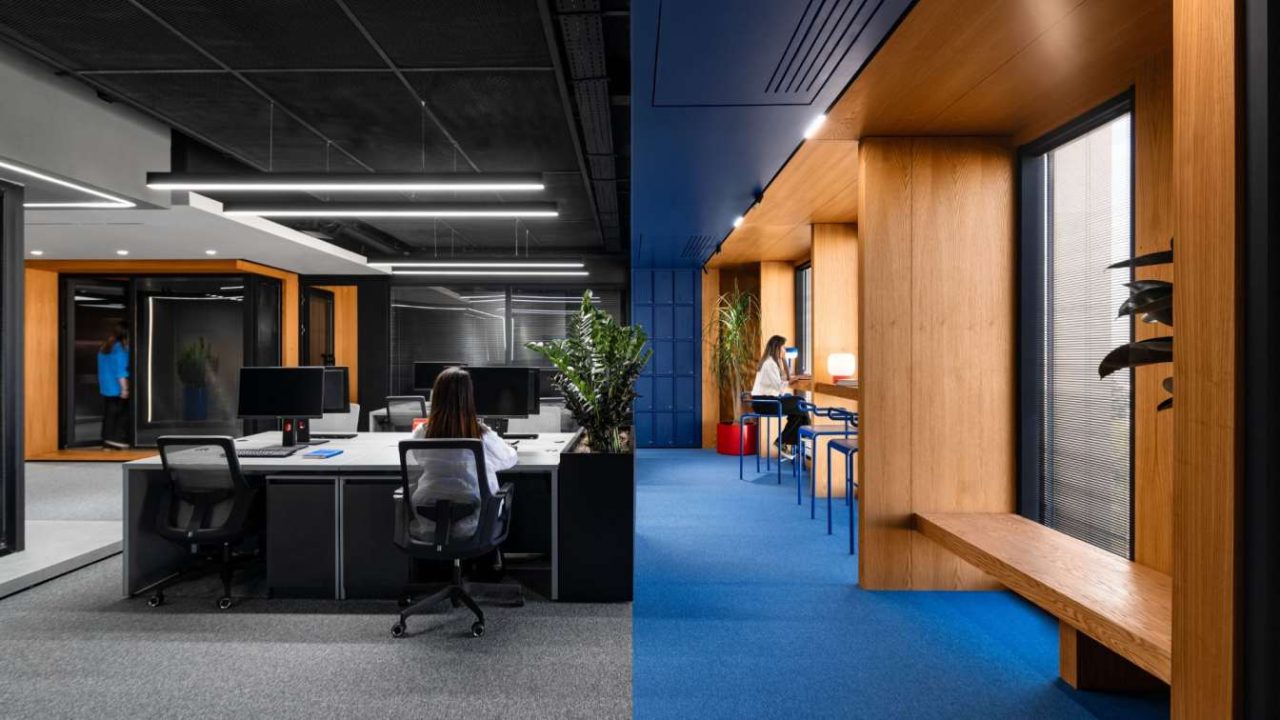
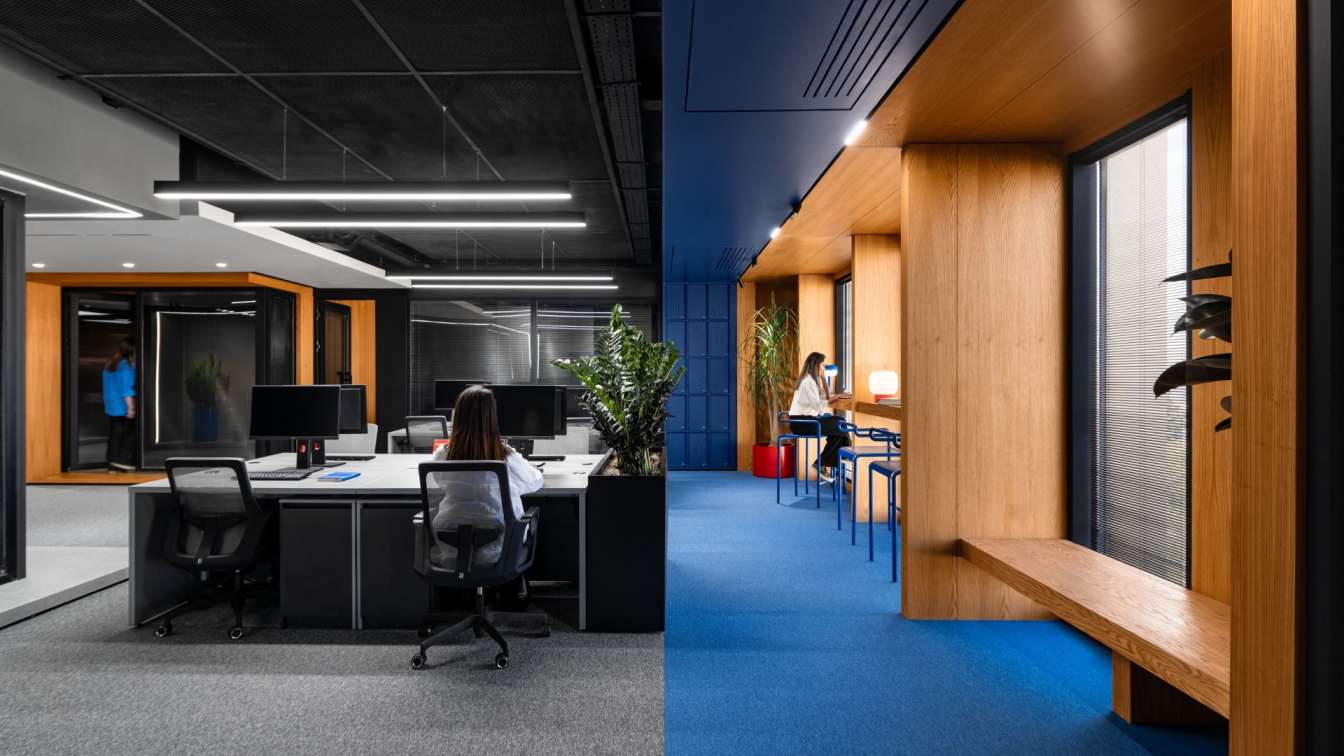
A recent project by Ladan Kamali, Prime Office in Mashhad, Iran, redefines the contemporary workplace by transforming two separate office units into a cohesive 300-square-meter environment for a digital marketing company. The design challenges traditional office layouts by emphasizing an open, continuous spatial field, where functionality is guided by light, visibility, and material transitions rather than solid partitions.
Openness and Flexibility
The core concept behind Prime Office is to create a dynamic and adaptable working environment. Most internal walls were removed during the redesign, establishing a single expansive space. Instead of relying on enclosed rooms for functional separation, the design utilizes subtle variations in transparency, depth, and materiality to delineate different zones. Full-height glass partitions are strategically employed only when acoustic privacy is essential, ensuring that visual continuity is maintained throughout the office. This approach allows for a variety of work settings—including management areas, design studios, digital production zones, meeting spaces, focused workstations, dining areas, and informal lounges—to coexist harmoniously without rigid boundaries. The flexible layout is designed to support overlapping functions and accommodate different working modes that may evolve throughout the day.
The Role of Daylight
Natural light is a central element in shaping the atmosphere of Prime Office. The extensive use of continuous floor-to-ceiling glazing along the building’s façade allows daylight to penetrate deep into the interior spaces. This effect is amplified by the reduction of opaque internal partitions, creating a clear gradient from open, collaborative areas to more focused zones. The interplay of light and material density subtly signals changes in use and function within the open framework.
Material Transitions as Organization
Rather than relying on architectural enclosures, the design uses material transitions to guide movement and activity within the office. Circulation paths are clearly defined by the use of blue and grey carpeting. Warmer, semi-contained areas for informal work and interaction are introduced through the incorporation of oak elements along the perimeter of the space. The overall material palette is restrained, featuring microcement, painted surfaces, exposed services, and natural wood, which collectively establish a cohesive and understated aesthetic.
Reflecting Contemporary Work
By merging previously fragmented units into a unified and continuous workspace, Prime Office offers an environment that embodies openness, flexibility, and a reduced sense of hierarchy. This design directly responds to and reflects the evolving nature of contemporary digital work, promoting collaboration and adaptability.
Key facts
| Feature | Detail |
|---|---|
| Project Name | Prime Office |
| Location | Mashhad, Iran |
| Size | 300 square meters |
| Designer | Ladan Kamali |
| Client | Digital marketing company |
| Design Concept | Open plan, light-centric, flexible workspace |
This project is significant for its innovative approach to office design, offering a model for how contemporary digital firms can create more fluid, adaptable, and collaborative workspaces. The emphasis on natural light and intelligent material use provides a blueprint for optimizing environments that cater to the dynamic needs of modern professional life.
Source: Amazing Architecture – Prime Office, Mashhad, Iran by Ladan Kamali (https://amazingarchitecture.com/office/prime-office-mashhad-iran-by-ladan-kamali)
Source
Amazing Architecture Original publication: 2026-06-16T23:38:57+00:00
Related news
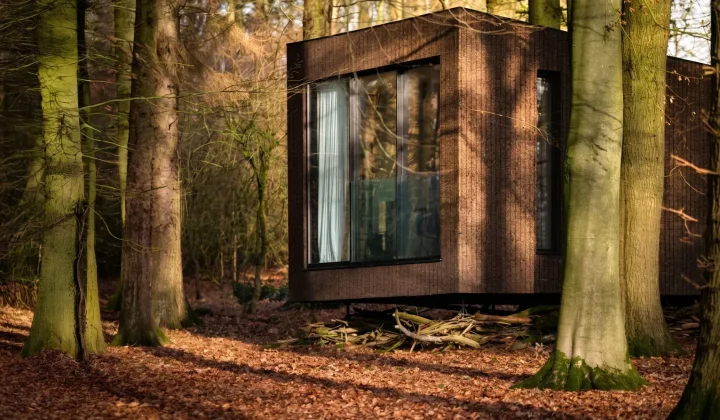
Koto launches Haku, a mobile prefab hotel suite built on a wheeled chassis to bypass UK planning restrictions
UK architecture studio Koto has unveiled Haku, a fully mobile prefabricated suite that legally qualifies as a caravan, allowing landowners and hotel…
Read more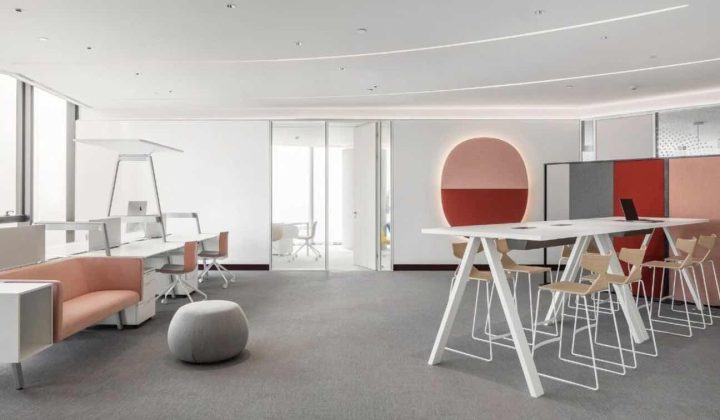
HONG Designworks Completes Private Office in Xi’an That Balances Memory, Materiality, and Long-Term Use
The Xi’an office by HONG Designworks integrates a folded steel staircase, retained furniture from a previous workspace, and a restrained purple-gray palette…
Read more
Handwoven Teak and Cord Outdoor Seating Debuts from Masaya and Abril Zepeda
Nicaraguan furniture brand Masaya has introduced two new handcrafted outdoor chairs — a rocking chair and a lounge chair — designed by…
Read more
Place in Mind: Hendricks Churchill Launches Hospitality Group to Revive Historic Properties
The architecture and interior design studio Hendricks Churchill has launched Place in Mind, a new hospitality group focused on acquiring, restoring, and…
Read moreRelated wiki
Adaptive Reuse in Architecture
Reference page for reuse, retrofit, conversion, embodied carbon and design constraints.
Read more