How to Read 3 Days of Design 2026 for Interior and Material Signals
Without strong event-specific reporting, the safest takeaway from 3 Days of Design 2026 is not a definitive trend verdict but a framework for reading how interiors, materials, and domestic-style retail staging are being presented.
Summary
– This is a cautious reading guide, not a definitive event recap.
– With the currently verified sources, it is safer to discuss how design events signal spatial and material priorities than to make detailed claims about the 2026 edition itself.
– The most useful lens here is the overlap between showroom display, retail atmosphere, and domestic-style staging.
– Any sustainability reading should be separated from visual mood and checked against technical documentation.
What happened
3 Days of Design is being used here as a case for reading design-event signals rather than as a fully documented event report. In practice, fairs and citywide design programs matter because they compress many displays into a short period, making it easier to compare how brands and curators frame objects, compose rooms, and present materials. That makes them useful for pattern-spotting, even when they do not provide a complete picture of the market.
Date-checked note: this article has been revised against the currently verified source set available for publication. That source set does not establish specific 2026 facts such as official dates, venue counts, attendance, exhibitors, or a named event theme, so those details are intentionally omitted here.
Why it matters
Interiors are doing more interpretive work
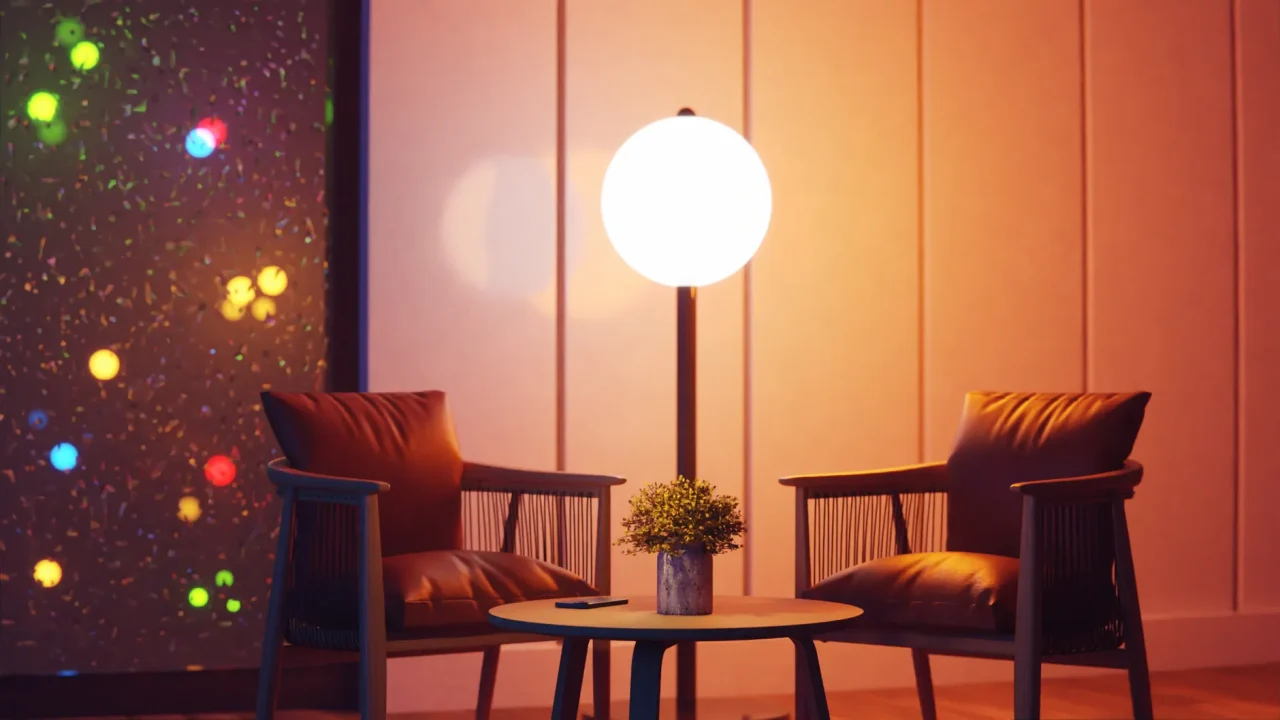
One of the clearest ways to read a design event is to look beyond the objects themselves and focus on the setting around them. Design theory supports the idea that meaning is shaped not only by form, but by use, perception, and context. In other words, a chair, lamp, or material sample shown in a room-like environment communicates differently from the same item shown in a neutral display.
That matters for readers tracking the so-called retail-living crossover: the growing tendency for sales environments, showrooms, and brand spaces to borrow cues from homes or hospitality interiors. Even without making broad claims about the whole 2026 edition, this remains a practical lens for interpreting design-week coverage.
Materials are part of the message
Materials at design events are not only technical choices. They are also part of the story a space is trying to tell: solidity, softness, warmth, permanence, craft, or restraint. When wood grain, stone, upholstery, brushed metals, or textured surfaces are foregrounded, they often function as narrative devices as much as specifications.
Sustainability claims need a second check
Material storytelling can also imply environmental seriousness. But UNEP's work on cities and resource efficiency supports a more careful approach: apparent naturalness, recycled language, or earthy palettes are not proof of lower impact by themselves. Readers should distinguish between aesthetic cues and documented evidence such as sourcing, circularity information, or product data.
What is confirmed
What the sources support
The verified sources support three narrower conclusions.
- Design events are useful places to compare how products and spaces are framed across multiple displays.
- Design meaning is shaped by context, use, and perception, not only by isolated objects.
- Environmental interpretations of materials should be tested against evidence, not mood alone.
What the sources do not yet support
The current source base does not support stronger public claims about what 3 Days of Design 2026 definitively "revealed" in terms of named exhibitors, dominant palettes, official themes, visitor numbers, or a confirmed industry-wide shift. Those claims would require primary event documentation and current independent reporting specific to the 2026 edition.
A practical framework for reading the signals
| Reading question | What to look for | What it can reasonably suggest | What it cannot prove on its own |
|---|---|---|---|
| Are displays becoming more domestic? | Softer lighting, layered textiles, room-like furniture groupings | A preference for lived-in atmosphere over neutral display | A universal shift across the whole design sector |
| Are retail and living aesthetics overlapping? | Showrooms styled like homes or hospitality spaces | A blur between selling space and inhabitable space | That all brands are abandoning product-led presentation |
| Are materials being foregrounded? | Visible grain, stone, upholstery, finish variation, tactile surfaces | Materials are part of the aesthetic argument | That a material is inherently more sustainable |
| Is sustainability being emphasized? | Recycled, circular, low-impact, or resource-aware language | Environmental positioning is part of the message | Verified performance without technical documentation |
| Are there counterexamples? | Sparse, gallery-like, object-first displays | The field is mixed, not monolithic | That one photogenic mood defines the entire event |
What may change
Event impressions can fade in real projects
Highly staged fair environments do not always translate into long-term retail fit-outs, housing interiors, or hospitality spaces. Some ideas remain event-specific because they are optimized for attention, photography, or short-term brand storytelling.
Media attention can distort emphasis
Design coverage tends to privilege visually legible installations. That can make soft, domestic, or atmospheric presentations seem more dominant than they are, while quieter or more technical displays receive less attention.
Sustainability language may outpace documentation
A material narrative can be persuasive before its evidence is clear. That is especially relevant when environmental value is implied through finish, color, or branding rather than backed by public technical information.
What readers should do next
If you are using post-event coverage to understand where interiors or retail environments may be heading, use this checklist:
- Compare several reports or project examples before calling something a trend.
- Separate atmosphere from evidence: a domestic mood is not the same as a documented market shift.
- Treat material claims in two layers: visual/aesthetic effect and verified environmental performance.
- Look for counterexamples, not just the most photogenic spaces.
- Recheck official event pages and bylined reporting if you need facts that can change over time.
- For broader context, pair event coverage with your publication's [design culture](/design-culture) archive rather than relying on one fair alone.
Sources to verify before making stronger claims
- Official 3 Days of Design 2026 overview or program page
- Organizer press material confirming dates, exhibitors, or themes
- Bylined reports from current reputable design publications covering the 2026 edition
- Manufacturer or exhibitor documentation for any sustainability claim
Sources
Related news

Handwoven Teak and Cord Outdoor Seating Debuts from Masaya and Abril Zepeda
Nicaraguan furniture brand Masaya has introduced two new handcrafted outdoor chairs — a rocking chair and a lounge chair — designed by…
Read more
Place in Mind: Hendricks Churchill Launches Hospitality Group to Revive Historic Properties
The architecture and interior design studio Hendricks Churchill has launched Place in Mind, a new hospitality group focused on acquiring, restoring, and…
Read more
Adalberto Dias Architects Complete Restoration of Lisbon’s Patriarchal Cathedral and Archaeological Center
The restoration of the Sé de Lisboa by Adalberto Dias Arquitecto integrates a new archaeological center, preserved cloisters, and seven centuries of…
Read more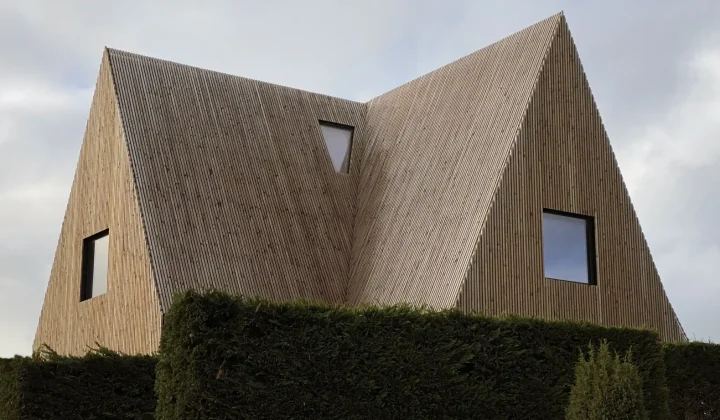
Vantieghem Talebi’s ‘House of Cards’ Brings Timber Geometry to Belgian Family Home
A new family house in Belgium by US- and Swiss-based practice Vantieghem Talebi uses a steeply pitched, card-house-inspired form clad in Douglas-fir…
Read moreRelated wiki
Adaptive Reuse in Architecture
Reference page for reuse, retrofit, conversion, embodied carbon and design constraints.
Read more