World Cup Transit Showcase Offers Transit Planning Insights
The recent World Cup highlighted how major events can accelerate and illuminate public transit development, presenting opportunities for cities to innovate and showcase new transportation approaches.
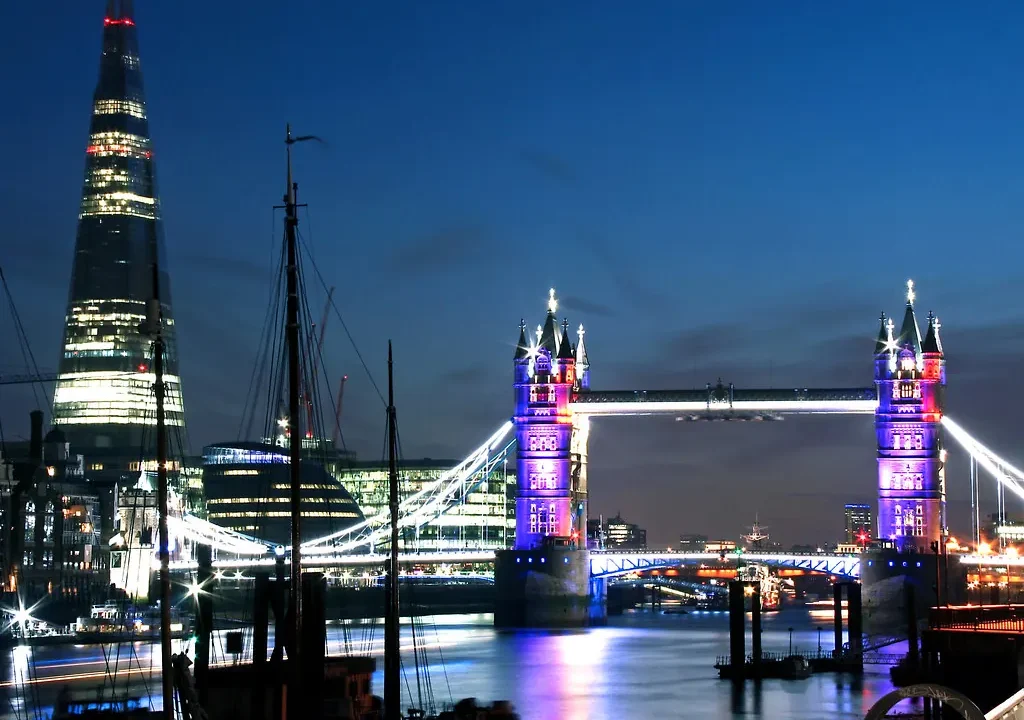
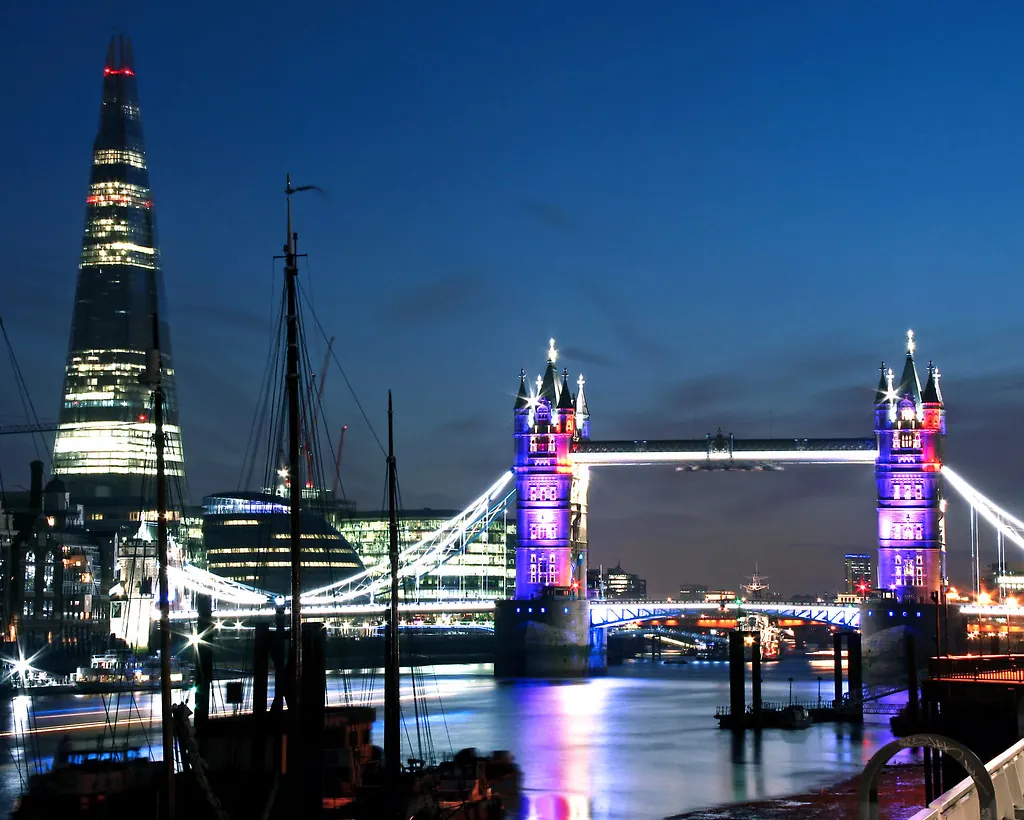
The recent World Cup provided a unique platform for cities to test, implement, and showcase a range of public transportation approaches, according to scholar Deb Chachra. The event’s demands have brought both the successes and shortcomings of existing transit systems into sharp relief, while simultaneously offering a fertile ground for exploring and demonstrating innovative solutions.
New urban transportation infrastructure, whether it encompasses large-scale multimodal hubs or more modest additions like dedicated bike paths, represents a triumph of forward-thinking development over fear of loss. The visibility afforded by such a global event allows for a broader appreciation of diverse transit strategies and their potential impact on urban mobility and sustainability.
Transit Opportunities
The World Cup acted as a catalyst, pushing cities to address transit challenges and opportunities more directly. The influx of international visitors and the logistical complexities of moving large crowds necessitated rapid improvements and highlighted areas ripe for development. This period offered a chance to move beyond incremental changes and consider more ambitious transit projects.
Imagination Over Loss Aversion
Chachra’s perspective suggests that the development of new transit infrastructure is often hampered by a collective reluctance to embrace change, a phenomenon she terms “loss aversion.” The World Cup provided an environment where the potential gains of enhanced public transit—improved accessibility, reduced congestion, and environmental benefits—could be more easily championed over the perceived risks of investment and disruption. This shift in mindset is crucial for implementing transformative urban planning.
Showcasing Diverse Approaches
The event’s context allowed for the visible demonstration of various transit solutions. This could range from the integration of advanced ticketing systems and real-time information displays to the expansion of cycling infrastructure and pedestrian-friendly zones. Each element, no matter how small, contributes to a larger ecosystem of urban mobility that can be experienced and evaluated by a global audience.
Key facts
| Aspect | Detail |
|---|---|
| Event | World Cup |
| Observation | Highlighted transit strengths and weaknesses, spurred innovation. |
| Scholar’s Insight | Transit development is imagination over loss aversion. |
| Opportunity | Showcase novel public transit approaches and infrastructure. |
The implications for urban planning are significant. Cities can learn from the experiences of host nations, understanding which transit solutions are most effective in high-pressure situations and how to foster public acceptance for new infrastructure. The World Cup, therefore, serves not just as a sporting event but as a real-world laboratory for urban mobility.
Source: Dezeen, https://www.dezeen.com/2026/06/30/world-cup-transit-opinion-deb-chachra/
Source
Dezeen Original publication: 2026-06-30T17:00:46+00:00
Related news

MIV Architects Proposes Wetland Pavilion That Prioritizes Non-Human Habitats Over Human Comfort
The Spanish firm’s “Nidos de Agua” concept for the Albufera natural park in Valencia aims to rebalance the relationship between building and…
Read more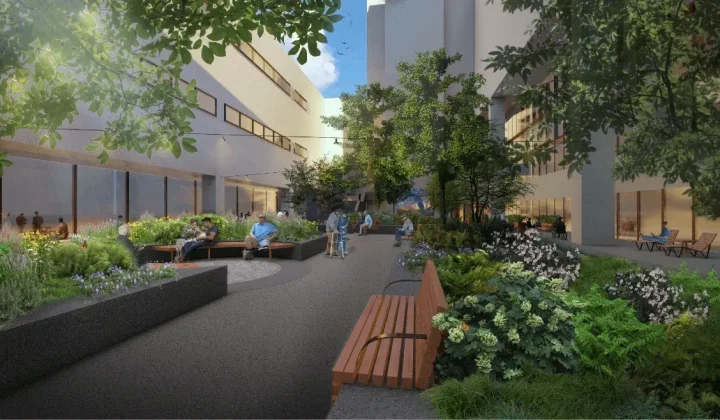
Nelson Byrd Woltz Begins Construction on Restorative Eagle Courtyard at Walter Reed Medical Center
Construction has started on a redesigned Eagle Courtyard at Walter Reed National Military Medical Center, led by Nelson Byrd Woltz Landscape Architects.…
Read more
London’s listening bar boom reflects a deeper shift in hospitality design and music culture
A wave of Japanese-inspired listening bars is reshaping London’s nightlife, but owners and critics are asking whether the concept can survive commercial…
Read more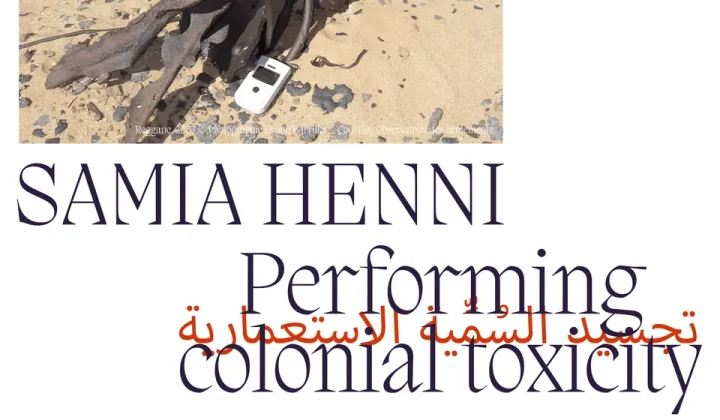
Performing Colonial Toxicity Exhibition in Valencia Examines Architecture’s Role in Nuclear Colonialism
From 24 October to 1 November 2026, Aguas Internacionales in Valencia hosts Samia Henni’s exhibition on French nuclear testing in the Algerian…
Read moreRelated wiki
Adaptive Reuse in Architecture
Reference page for reuse, retrofit, conversion, embodied carbon and design constraints.
Read more