
YNAS Reconnects Japanese Home with Outdoors Using Timber Canopies in Miyakonojo Renovation
YNAS architecture studio has renovated and extended a traditional timber home in Miyakonojo, Japan, using timber-framed canopies and strategic interior modifications to enhance its connection to the outdoors and local community.
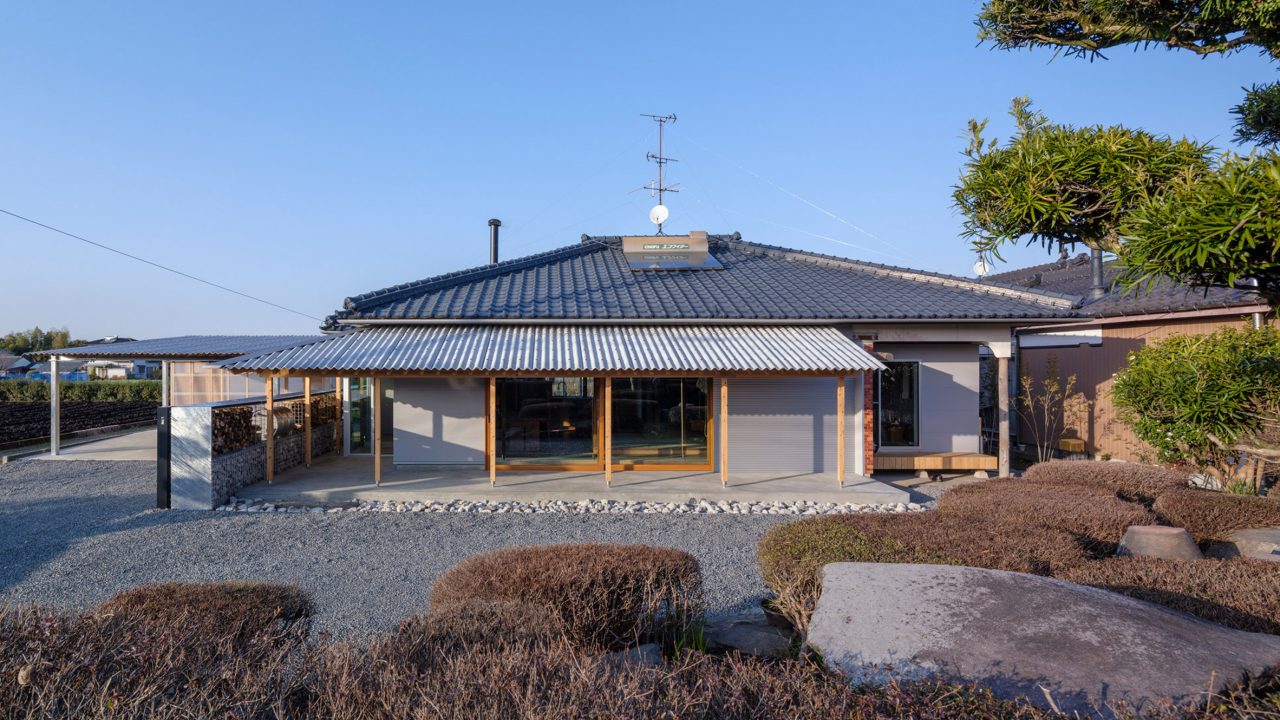
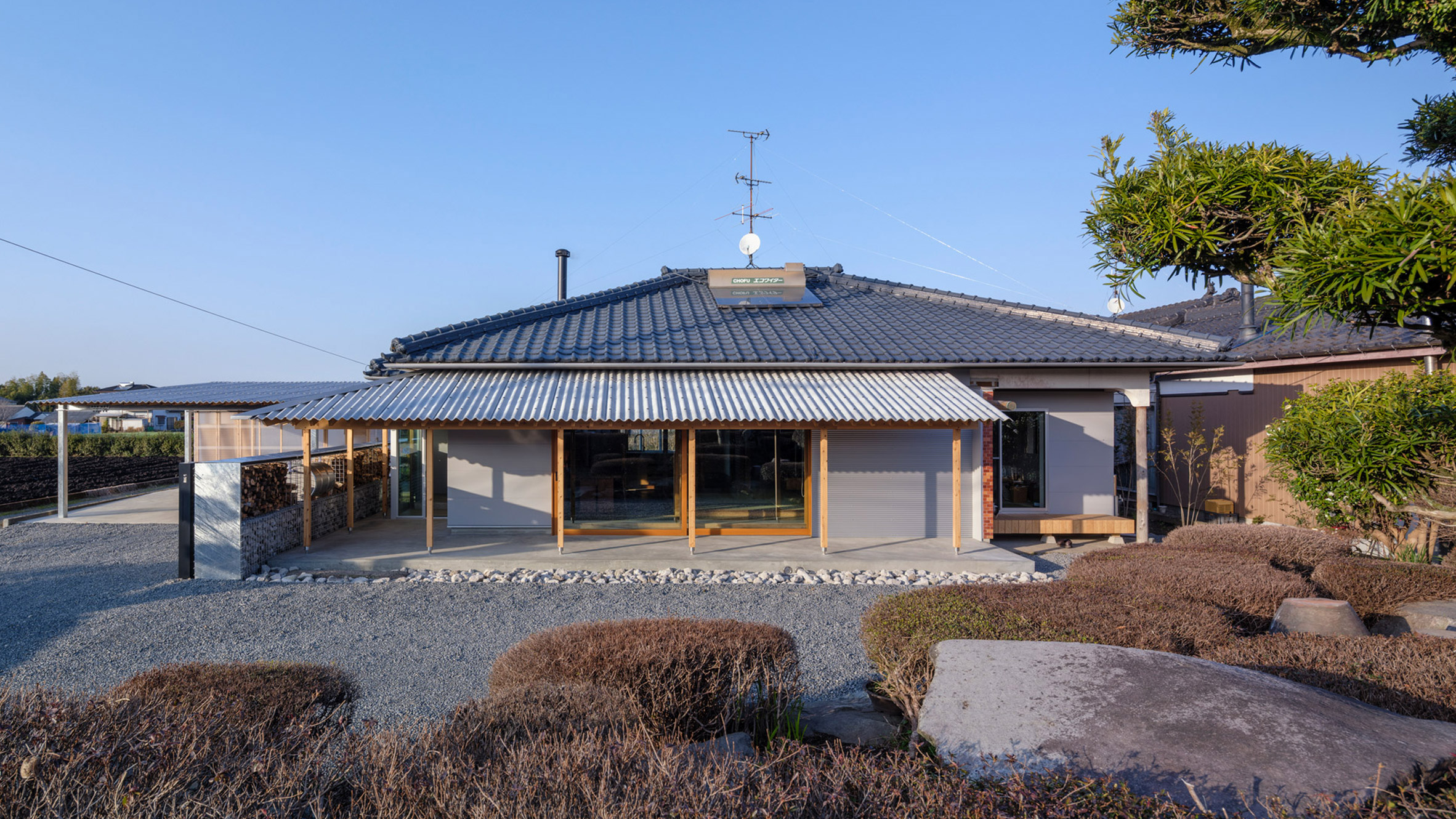
Local architecture studio YNAS has completed the renovation and extension of a traditional timber home in Miyakonojo, southern Japan, transforming its interiors and strengthening its relationship with the surrounding landscape. The project, named House in Miyakonojo, incorporates corrugated-metal canopies and strategic spatial reconfigurations to open up the dwelling for a couple returning to the wife’s ancestral home.
Project Background and Design Philosophy
Originally built in 1978, the single-storey timber house was structurally sound but suffered from a restrictive internal layout and underutilized exterior spaces, leading to a sense of disconnection from its environment and community. YNAS addressed these issues by aiming to dissolve the home’s boundaries. Studio founder and principal architect Yuko Numata emphasized a “paradoxical approach” to privacy, stating that instead of creating physical borders, the design demonstrates openness. This allows neighbors to observe “signs of life” such as outdoor cooking or smoke from the wood-fired bath, re-integrating the house into the landscape.
Key facts
- Feature: Detail
- Location: Miyakonojo, Japan
- Architect: YNAS
- Project Type: Residential renovation and extension
- Key Elements: Timber-framed canopies, corrugated metal, internal re-planning
Architectural Interventions
The renovation involved the removal of internal walls and hedges to create more fluid spaces. YNAS deepened the existing *engawa* (verandahs) with new steel and timber canopies, which extend the home’s shallow eaves to provide essential shade. These expanded perimeter spaces become an extension of the interiors, fostering a stronger indoor-outdoor connection. An outdoor kitchen with views of the mountainous skyline was also introduced.
Internal Reconfiguration and Material Choices
The original home’s layout featured rooms partitioned by sliding screens along a dark, L-shaped corridor. YNAS eliminated this corridor and partition walls, creating a unified living, dining, and kitchen area. Zones are subtly defined by the structure’s original timber columns and varied floor finishes. Numata explained that the design redefined “ambiguous boundaries” through floor materials: continuous mortar *doma* floors connect the kitchen, dining, and eave spaces, while the living room and father’s room feature *tatami* mats made from Kyushu *igusa* rush, connecting residents to the land.
Sustainable and Traditional Features
Traditional elements were reintroduced, including a *kamado* (wood-fired stove) in the outdoor kitchen, an *irori* (sunken hearth) in the indoor kitchen, and a steel wood-fired bath. Firewood for these features is stored within a low gabion wall made from local rubble, which replaced a previous hedge at the front of the home. Sustainability was also a key aspect, with the addition of solar panels on the roof and a rainwater harvesting system to make the home more “self-sustaining.” A new timber-framed storage area, clad in corrugated polycarbonate sheets, features another steel and timber canopy sheltering a parking and outdoor workshop space.
This project offers an example of how traditional Japanese architectural concepts can be reinterpreted to meet contemporary living needs while enhancing a dwelling’s connection to its environment and community. The use of timber canopies and careful material selection demonstrates a thoughtful approach to extending living spaces and integrating sustainable practices within a historic context.
Source: Dezeen: https://www.dezeen.com/2026/05/19/ynas-house-in-miyakonojo-japan/
Source
Dezeen Original publication: 2026-05-19T10:30:18+00:00
Related news
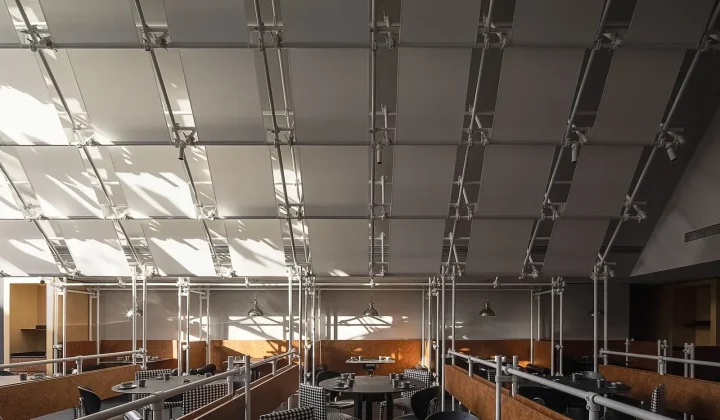
Scaffolding as Interior Architecture: Adaptable Systems Challenge the Divide Between Temporary and Permanent
A new article by Jonathan Yeung examines how modular scaffolding systems, from steel frames to Dieter Rams’ shelving, demonstrate that longevity in…
Read more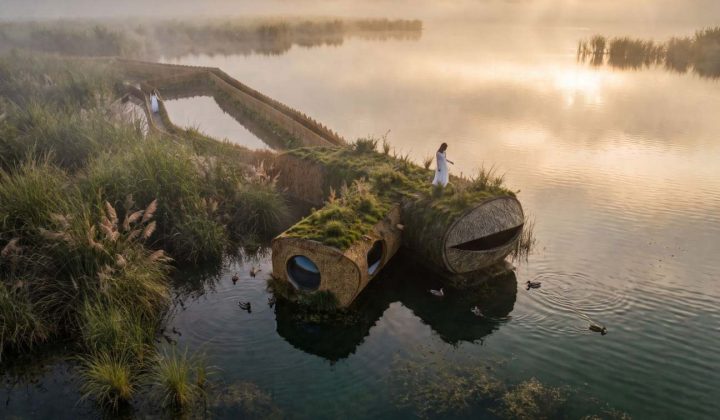
MIV Architects Proposes Wetland Pavilion That Prioritizes Non-Human Habitats Over Human Comfort
The Spanish firm’s “Nidos de Agua” concept for the Albufera natural park in Valencia aims to rebalance the relationship between building and…
Read more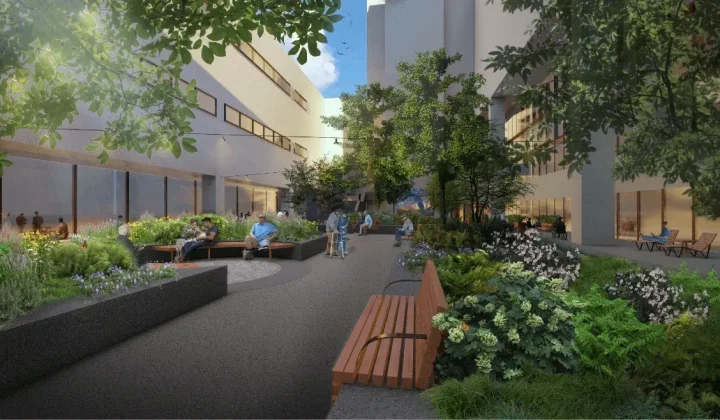
Nelson Byrd Woltz Begins Construction on Restorative Eagle Courtyard at Walter Reed Medical Center
Construction has started on a redesigned Eagle Courtyard at Walter Reed National Military Medical Center, led by Nelson Byrd Woltz Landscape Architects.…
Read more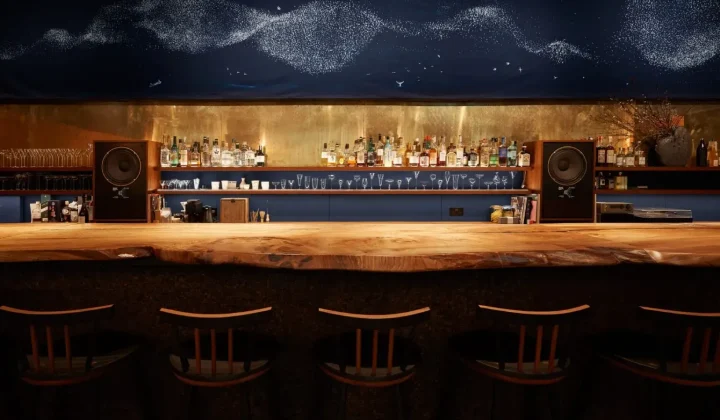
London’s listening bar boom reflects a deeper shift in hospitality design and music culture
A wave of Japanese-inspired listening bars is reshaping London’s nightlife, but owners and critics are asking whether the concept can survive commercial…
Read moreRelated wiki

Adaptive Reuse in Architecture
Reference page for reuse, retrofit, conversion, embodied carbon and design constraints.
Read more