
Pigeons: An Architectural History from Subsistence to Speculation
From vernacular farm structures to elaborate follies, the architecture of dovecotes reflects centuries of human-pigeon relationships, revealing shifts in economies and social status.
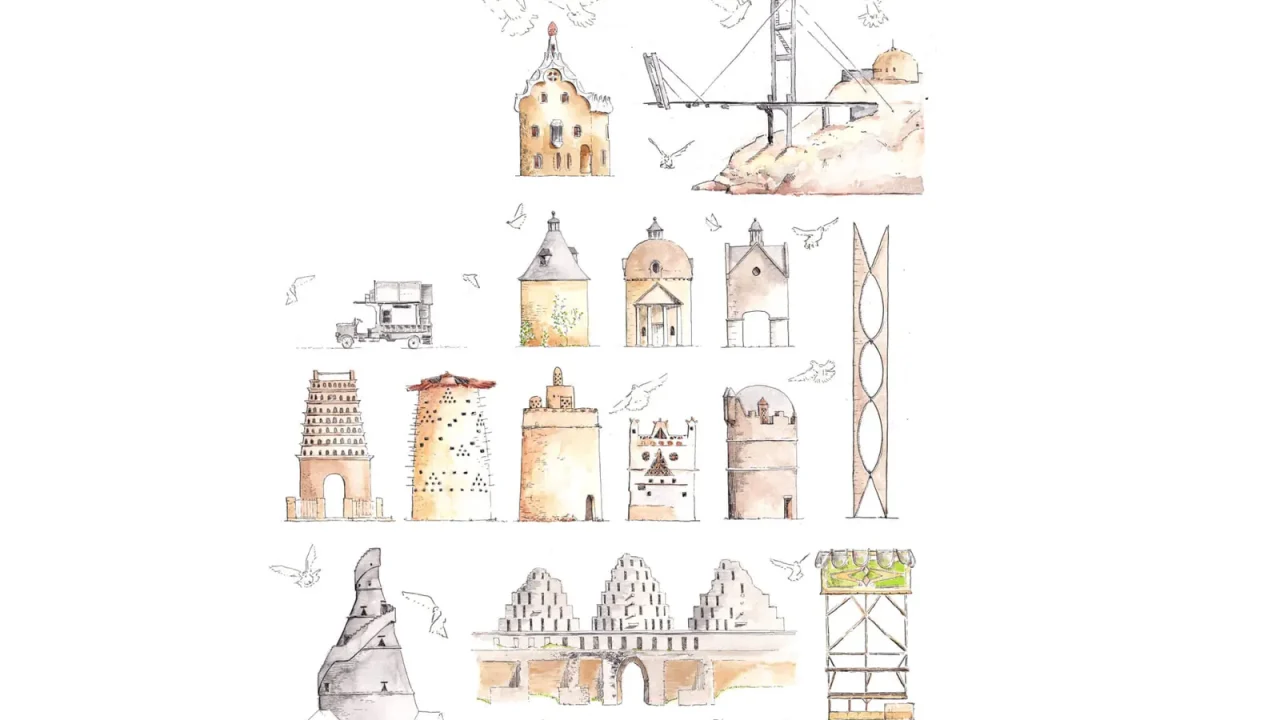
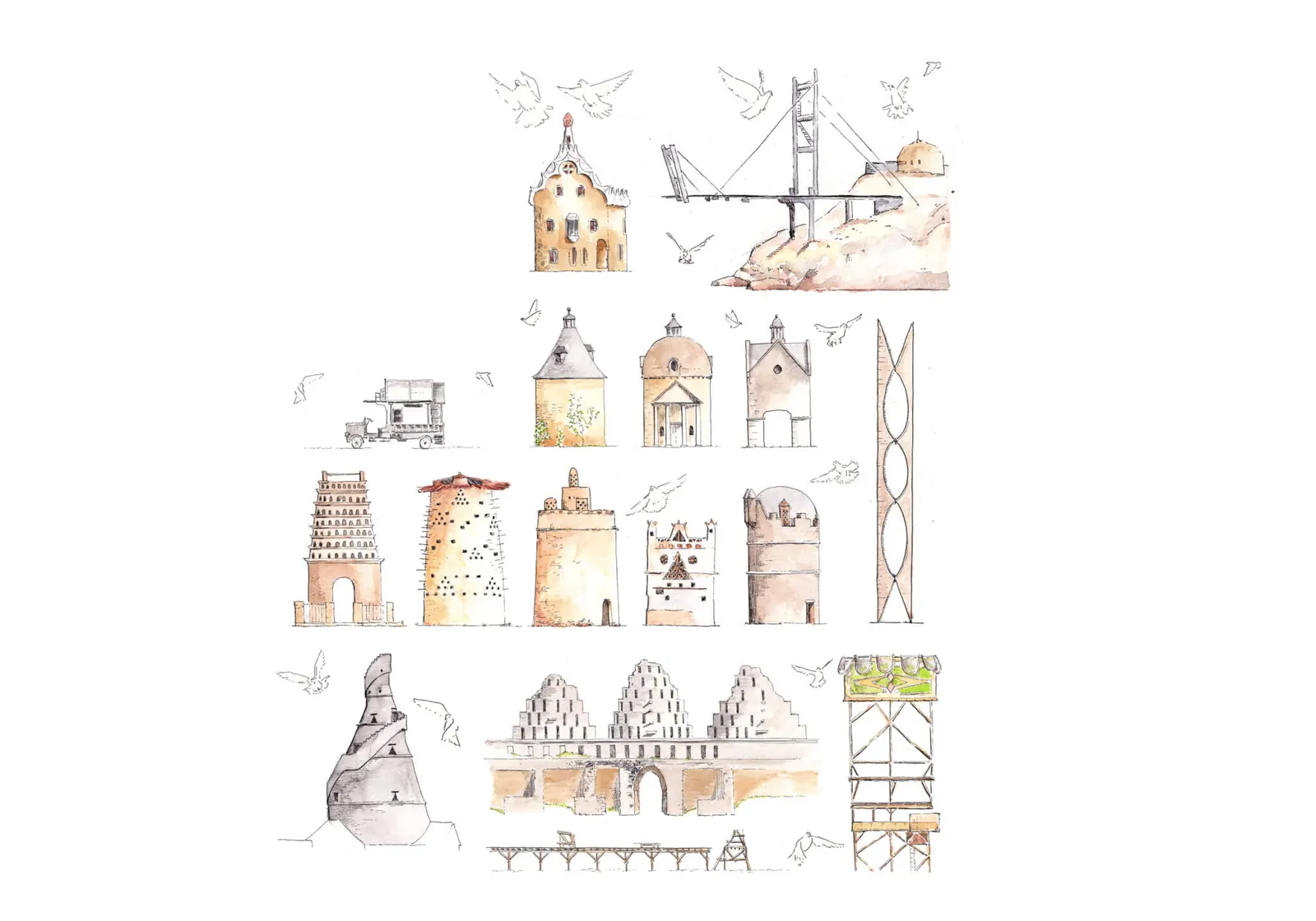
The humble pigeon, often overlooked or even reviled in contemporary urban settings, has a surprisingly deep and varied architectural history. Across centuries and continents, the structures built to house these birds—known as dovecotes—offer a fascinating lens through which to view shifting human economies, social structures, and even aesthetic sensibilities.
From functional farm buildings to elaborate follies, the architectural attention lavished upon pigeons is a testament to their evolving significance in human society. This architectural legacy spans a wide range, from the practical vernacular coops of the English and French countrysides, designed for sustenance, to the more ornate Palladian structures and even occasional modernist experiments that elevated the dovecote beyond mere utility.
Historical Dovecotes
In the Middle Ages and beyond, dovecotes were integral to agrarian practices in many parts of Europe. These structures, often stone or timber-built, served as vital sources of meat and guano, a potent fertilizer. The right to own and maintain a dovecote was frequently restricted to landowners, making these architectural features not only practical but also symbols of wealth and status. The presence of a large dovecote indicated a self-sufficient estate capable of generating its own food and agricultural supplements.
Persian towers, Greek peristeriones, Ottoman rooftop lofts, and Mayan ceremonial complexes all bear witness to the diverse ways humans have housed pigeons. These varied forms highlight how dovecotes registered not just changing uses but also the cultural meanings attributed to pigeons. In the Middle East, for instance, dovecotes were often embedded within everyday agricultural routines. In contrast, their prevalence in certain European regions underscored regimes of extraction, where the right to keep pigeons was a privilege tied to land ownership.
Beyond Subsistence
The role of the dovecote evolved over time. As architectural styles shifted, so too did the design of these birdhouses. Elaborate Palladian follies, for example, transformed dovecotes into picturesque elements within grand estates, serving aesthetic and spiritual purposes rather than purely economic ones. These structures became part of the landscape, contributing to the romantic and idealized visions of rural life favored by the aristocracy.
Even into the modern era, architects have occasionally turned their attention to the dovecote. These modernist experiments, though less common, demonstrate a continued fascination with the form and function of these structures, pushing them into new aesthetic and conceptual territories.
Pigeons Today
The relationship between humans and pigeons continues to be complex. Today, pigeons are often viewed as urban pests, a nuisance in city parks and public spaces. Yet, simultaneously, they hold a fetishized status in other contexts, particularly in elite racing circuits where they are treated as valuable, speculative commodities.
This duality—being both reviled and fetishized—is a modern iteration of their long history. The evolving economic relationship between humans and pigeons remains legible in the habitats we continue to create and in the architectural forms that have historically structured their coexistence. The structures of the past, from humble farm coops to grand follies, offer a tangible record of this enduring and multifaceted connection.
Key facts
| Aspect | Description |
|—|—|
| Historical Function | Provided meat and guano for agricultural and dietary needs. |
| Social Significance | Often a symbol of land ownership and status in Europe. |
| Architectural Diversity | Ranged from vernacular farm coops to elaborate Palladian follies and modernist designs. |
| Modern Perception | Varies from urban nuisance to valuable commodity in racing. |
The architectural history of dovecotes is more than just a study of bird housing; it’s a reflection of human ingenuity, social organization, and the ever-changing economic and cultural value placed upon even the most common of creatures. Understanding these structures provides insight into historical practices and the enduring, albeit transformed, relationship between people and pigeons.
Source: The Architect’s Newspaper, https://www.archpaper.com/2026/06/dovecotes/
Datos clave
| Punto | Detalle |
|---|---|
| Fuente | The Architect's Newspaper |
| Fecha | 2026-06-18T20:03:02+00:00 |
| Tema | Few forms of livestock have received as much architectural attention as pigeons |
Source
The Architect's Newspaper Original publication: 2026-06-18T20:03:02+00:00
Related news
HONG Designworks Completes Private Office in Xi’an That Balances Memory, Materiality, and Long-Term Use
The Xi’an office by HONG Designworks integrates a folded steel staircase, retained furniture from a previous workspace, and a restrained purple-gray palette…
Read more
Handwoven Teak and Cord Outdoor Seating Debuts from Masaya and Abril Zepeda
Nicaraguan furniture brand Masaya has introduced two new handcrafted outdoor chairs — a rocking chair and a lounge chair — designed by…
Read more
Place in Mind: Hendricks Churchill Launches Hospitality Group to Revive Historic Properties
The architecture and interior design studio Hendricks Churchill has launched Place in Mind, a new hospitality group focused on acquiring, restoring, and…
Read more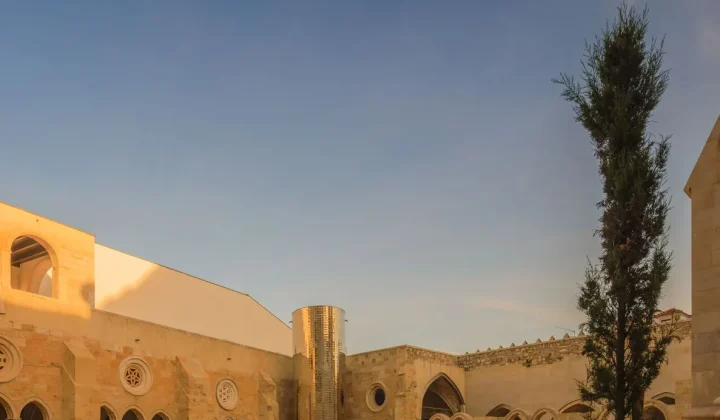
Adalberto Dias Architects Complete Restoration of Lisbon’s Patriarchal Cathedral and Archaeological Center
The restoration of the Sé de Lisboa by Adalberto Dias Arquitecto integrates a new archaeological center, preserved cloisters, and seven centuries of…
Read moreRelated wiki

Adaptive Reuse in Architecture
Reference page for reuse, retrofit, conversion, embodied carbon and design constraints.
Read more