
Textiles for Emotional Wellbeing and Sustainable Innovation Highlighted in Lucerne School of Design Projects
Emerging designers at the Lucerne School of Design, Film and Art are exploring the intersection of textiles, emotional well-being, and sustainable practices, showcasing innovative projects focused on community connection and eco-friendly materials.

Design students at the Lucerne School of Design, Film and Art (HSLU) are pushing the boundaries of textile design, with recent projects focusing on how materials can foster emotional well-being, strengthen community bonds, and offer sustainable alternatives in the design industry. These forward-thinking initiatives were showcased as part of the school’s recent presentations, highlighting a growing trend towards human-centric and environmentally conscious design.
Fostering Emotional Connection
One notable project delves into the therapeutic potential of textiles, creating a collection specifically designed to promote emotional well-being. This initiative explores how textures, colors, and forms within textiles can positively influence a person’s mood and mental state. The research suggests that carefully considered textile applications in living and working spaces can contribute to a more calming and supportive environment, addressing the increasing need for mindful design in an often stressful world.
The approach taken by the students moves beyond purely aesthetic considerations, seeking to understand the psychological impact of tactile experiences. By focusing on materials that offer comfort and sensory engagement, the projects aim to provide tangible solutions for improving quality of life through design.
Weaving Community Threads
Another compelling project leverages traditional weaving techniques to explore and foster community connection. This initiative uses textiles as a medium to represent shared experiences and build bridges between individuals. The process of creating these woven pieces often involves collaborative efforts, mirroring the community-building aspect that the final products represent.
This work underscores the power of craft and shared making in strengthening social ties. By reinterpreting weaving for contemporary contexts, the students are demonstrating how age-old techniques can be relevant in addressing modern challenges of social cohesion and belonging. The resulting textiles serve not only as objects of beauty but also as symbols of collective identity and connection.
Sustainable Materials for Interior Spaces
In addition to projects focused on well-being and community, the Lucerne School of Design is also addressing the urgent need for sustainable materials in the built environment. A fabric collection designed for car interiors presents a viable, eco-friendly alternative to traditional fossil-based options. This development is significant for the automotive industry and has broader implications for interior design across various sectors.
The focus on sustainable materials reflects a commitment to reducing the environmental footprint of design and manufacturing. By exploring innovative material compositions and production methods, these students are paving the way for a more circular and responsible approach to material sourcing and product development. This includes investigating biodegradable components and recycled content, aiming to minimize waste and pollution.
The School’s Role in Innovation
The Lucerne School of Design, Film and Art consistently encourages its students to engage with pressing societal and environmental issues through their creative work. The diverse range of textile projects highlights the school’s dedication to fostering innovation that is both artistically compelling and socially relevant. These student-led initiatives offer a glimpse into the future of textile design, where functionality, emotional impact, and ecological responsibility are paramount.
The emphasis on these specific themes suggests a pedagogical approach that values interdisciplinary thinking and practical application. By connecting students with real-world challenges, the school aims to equip them with the skills and vision to become influential designers who can contribute positively to society. The outcomes from these projects are likely to inspire further research and development in the field of textile innovation.
The collective output from the Lucerne School of Design, Film and Art serves as a powerful reminder of the multifaceted role that design plays in shaping our experiences and our world. From enhancing personal well-being to fostering community and championing sustainability, textiles are proving to be a versatile and impactful medium for positive change.
Key facts
| Aspect | Details |
|---|---|
| Institution | Lucerne School of Design, Film and Art (HSLU) |
| Project Focus Areas | Emotional wellbeing, community connection, sustainable materials |
| Notable Initiatives | Textiles for emotional enhancement, community-building woven art, sustainable car interior fabrics |
| Environmental Impact | Focus on sustainable alternatives to fossil-based materials |
These projects are particularly relevant for architects, interior designers, and urban planners who are increasingly tasked with creating spaces that not only look good but also feel good and are environmentally responsible. The innovative use of textiles in promoting emotional wellbeing offers new avenues for creating more human-centered environments. Furthermore, the development of sustainable material alternatives directly addresses the growing demand for eco-friendly construction and interior design solutions.
Source: Dezeen, https://www.dezeen.com/2026/06/27/textiles-emotional-wellbeing-lucerne-school-film-art-design-schoolshows/
Source
Dezeen Original publication: 2026-06-27T18:00:57+00:00
Related news
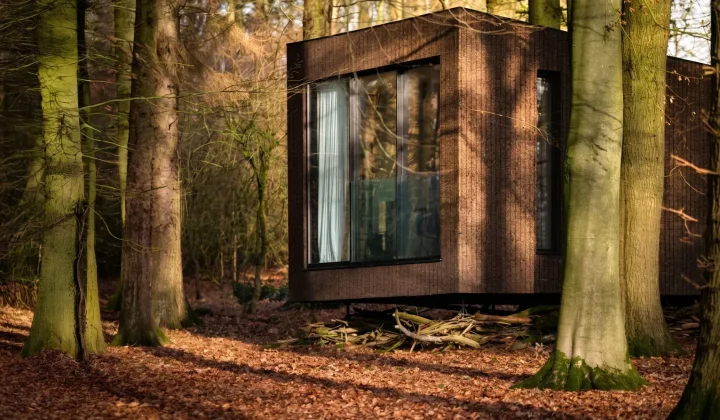
Koto launches Haku, a mobile prefab hotel suite built on a wheeled chassis to bypass UK planning restrictions
UK architecture studio Koto has unveiled Haku, a fully mobile prefabricated suite that legally qualifies as a caravan, allowing landowners and hotel…
Read more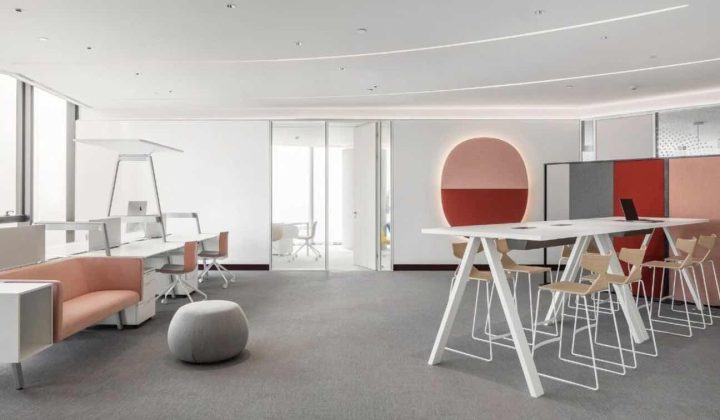
HONG Designworks Completes Private Office in Xi’an That Balances Memory, Materiality, and Long-Term Use
The Xi’an office by HONG Designworks integrates a folded steel staircase, retained furniture from a previous workspace, and a restrained purple-gray palette…
Read more
Handwoven Teak and Cord Outdoor Seating Debuts from Masaya and Abril Zepeda
Nicaraguan furniture brand Masaya has introduced two new handcrafted outdoor chairs — a rocking chair and a lounge chair — designed by…
Read more
Place in Mind: Hendricks Churchill Launches Hospitality Group to Revive Historic Properties
The architecture and interior design studio Hendricks Churchill has launched Place in Mind, a new hospitality group focused on acquiring, restoring, and…
Read moreRelated wiki
Adaptive Reuse in Architecture
Reference page for reuse, retrofit, conversion, embodied carbon and design constraints.
Read more