
Dancehall and Reggaetón’s Radical Legacy Explored in Chicago Exhibition
The Museum of Contemporary Art Chicago presents "Dancing the Revolution: From Dancehall to Reggaetón," an exhibition examining the social, political, and cultural significance of these music genres through the works of 40 artists.
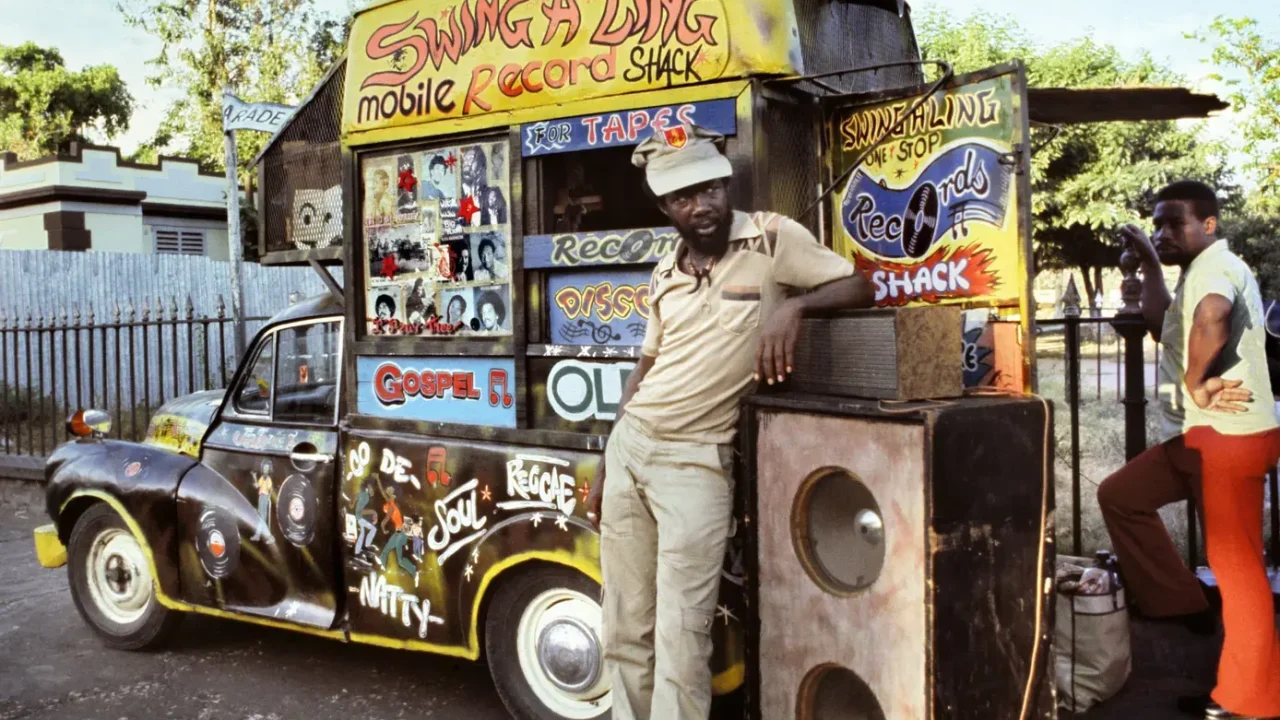
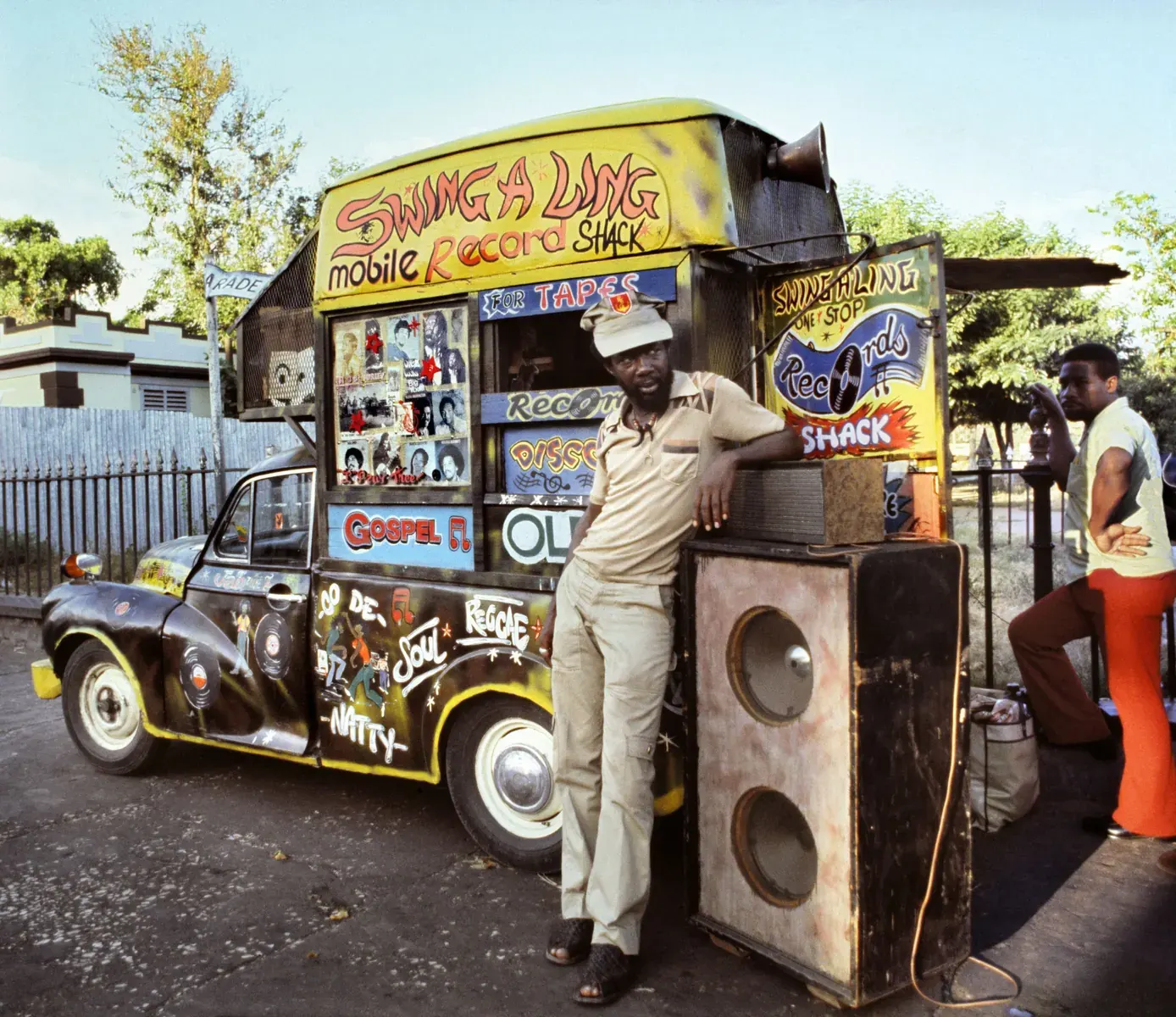
A new exhibition at the Museum of Contemporary Art Chicago (MCA Chicago) is tracing the deep social, political, and spiritual histories embedded within dancehall and reggaetón music. Titled “Dancing the Revolution: From Dancehall to Reggaetón,” the show features approximately 40 artists and explores how these genres have served as potent tools for resistance, cultural production, and survival within the Black Atlantic.
Curated by Carla Acevedo-Yates, the exhibition highlights that these music forms, often associated with entertainment, carry significant weight in understanding Black history and identity. “They have a profound history in Black Atlantic performance, serving as sites of cultural production and tools for survival and resistance,” Acevedo-Yates stated. “Joy and pleasure are essential to that story. The exhibition tries to hold these tensions, between resistance and celebration, and grief and joy, across different sexual, racial, and class experiences.”
The exhibition aims to expand the understanding of dancehall and reggaetón beyond their popular perception, showcasing their role in shaping cultural narratives and facilitating community resilience.
Key Artists and Works
“Dancing the Revolution” brings together a diverse range of artists, including Jean-Michel Basquiat, Phil Collins, Reggie Burrows Hodges, Edra Soto, Alberta Whittle, Carolina Caycedo, and Lee ‘Scratch’ Perry. Their contributions span various mediums, such as painting, sculpture, video, installations, and photography. A special commissioned mixtape project by Juan Rivera further explores the evolution of these musical genres.
The selection of artists and artworks was informed by extensive research, including trips to Panama and Kingston, Jamaica. Acevedo-Yates collaborated with curators, historians, and artists, and spoke with pioneering reggae en español artists like Renato and Nando Boom. This on-the-ground research, supported by her curatorial team’s prior knowledge, was crucial in shaping the exhibition’s narrative.
Tracing Roots Through Sound Systems and Carnival
A significant element within the exhibition is Isaac Julien’s 1984 film “Territories.” This early student film by the British artist and filmmaker examines Black life in Britain, with a particular focus on Notting Hill Carnival and the vibrant sound system culture of London during the 1970s and 1980s. The film underscores how expressions of Black joy in public spaces, like the carnival—which has origins in Trinidad as a form of resistance to British colonial rule—were often met with police violence and government surveillance.
The exhibition also features imagery of sound systems and selectors from Kingston, Jamaica, such as Beth Lesser’s photographs from the 1980s, capturing the energy and cultural significance of these gatherings.
Origins in Protest and Expansion of Scope
The genesis of “Dancing the Revolution” can be traced back about seven years, to the mass protests in Puerto Rico that saw members of feminist and queer communities dancing to reggaetón on the steps of a colonial cathedral in Old San Juan. These protests ultimately contributed to the resignation of then-governor Ricardo Roselló.
While the exhibition initially centered on reggaetón and the events of summer 2019 in Puerto Rico, it evolved to encompass Jamaica and Panama. Acevedo-Yates recognized the importance of tracing reggaetón’s lineage within Black Atlantic culture, connecting it to Kingston’s sound system traditions, dancehall, and reggae en español.
“Through my research, I understood that dancehall is not just a genre of music, but also a social space, an attitude, an economy, and even a kind of ritual,” Acevedo-Yates explained. “Across all of this, I found that visual artists have been engaging with these histories for decades.”
The exhibition demonstrates how dancehall, in particular, is more than just a musical style; it represents a complex social ecosystem, an economic force, and a spiritual practice. The visual arts have long been a medium through which these multifaceted histories are explored and preserved.
The exhibition is on view at the Museum of Contemporary Art Chicago through September 20, 2026.
Key facts
Exhibition Title: Dancing the Revolution: From Dancehall to Reggaetón
Location: Museum of Contemporary Art Chicago
Duration: On view through September 20, 2026
Curator: Carla Acevedo-Yates
Featured Artists: Approx. 40 artists, including Jean-Michel Basquiat, Phil Collins, Reggie Burrows Hodges, Edra Soto, Alberta Whittle, Carolina Caycedo, Lee ‘Scratch’ Perry.
This exhibition offers a valuable lens through which to view the intersection of art, music, and social commentary, particularly for readers interested in cultural movements and the artistic expressions that arise from them. It highlights how creative endeavors can serve as powerful vehicles for resistance, identity formation, and the preservation of cultural heritage, offering a deeper understanding of the Black Atlantic experience.
Source: Wallpaper, https://www.wallpaper.com/art/exhibitions-shows/inside-the-exhibition-tracing-dancehall-and-reggaetons-radical-legacy
Datos clave
| Punto | Detalle |
|---|---|
| Fuente | Wallpaper |
| Fecha | 2026-06-20T11:00:00+00:00 |
| Tema | Inside the exhibition tracing dancehall and reggaetón's radical legacy |
Source
Wallpaper Original publication: 2026-06-20T11:00:00+00:00
Related news

Handwoven Teak and Cord Outdoor Seating Debuts from Masaya and Abril Zepeda
Nicaraguan furniture brand Masaya has introduced two new handcrafted outdoor chairs — a rocking chair and a lounge chair — designed by…
Read more
Place in Mind: Hendricks Churchill Launches Hospitality Group to Revive Historic Properties
The architecture and interior design studio Hendricks Churchill has launched Place in Mind, a new hospitality group focused on acquiring, restoring, and…
Read more
Adalberto Dias Architects Complete Restoration of Lisbon’s Patriarchal Cathedral and Archaeological Center
The restoration of the Sé de Lisboa by Adalberto Dias Arquitecto integrates a new archaeological center, preserved cloisters, and seven centuries of…
Read more
Vantieghem Talebi’s ‘House of Cards’ Brings Timber Geometry to Belgian Family Home
A new family house in Belgium by US- and Swiss-based practice Vantieghem Talebi uses a steeply pitched, card-house-inspired form clad in Douglas-fir…
Read moreRelated wiki

Adaptive Reuse in Architecture
Reference page for reuse, retrofit, conversion, embodied carbon and design constraints.
Read more