
UMBRA Museum in Panama Reimagines Public Space Through Climate-Responsive Design
The UMBRA Contemporary Museum of Panama by Lucio Muniain et al prioritizes shade, temperature regulation, and public space creation, challenging the traditional museum as a sealed container.
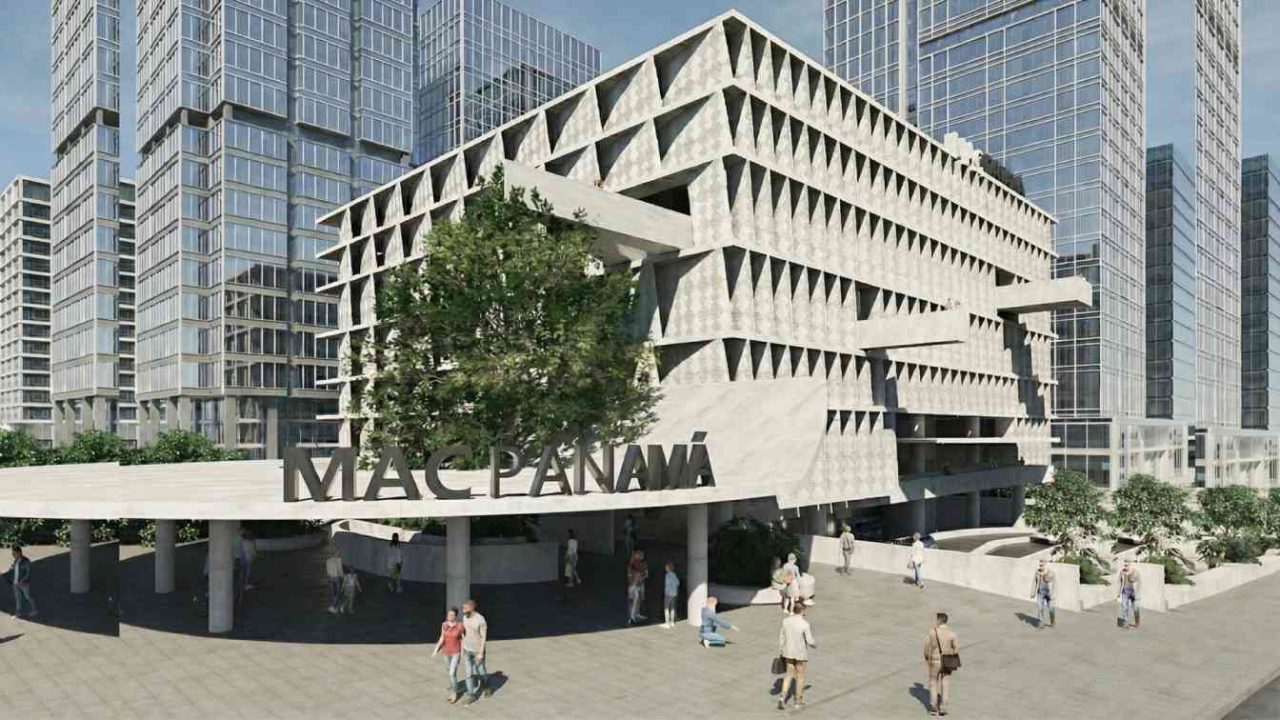
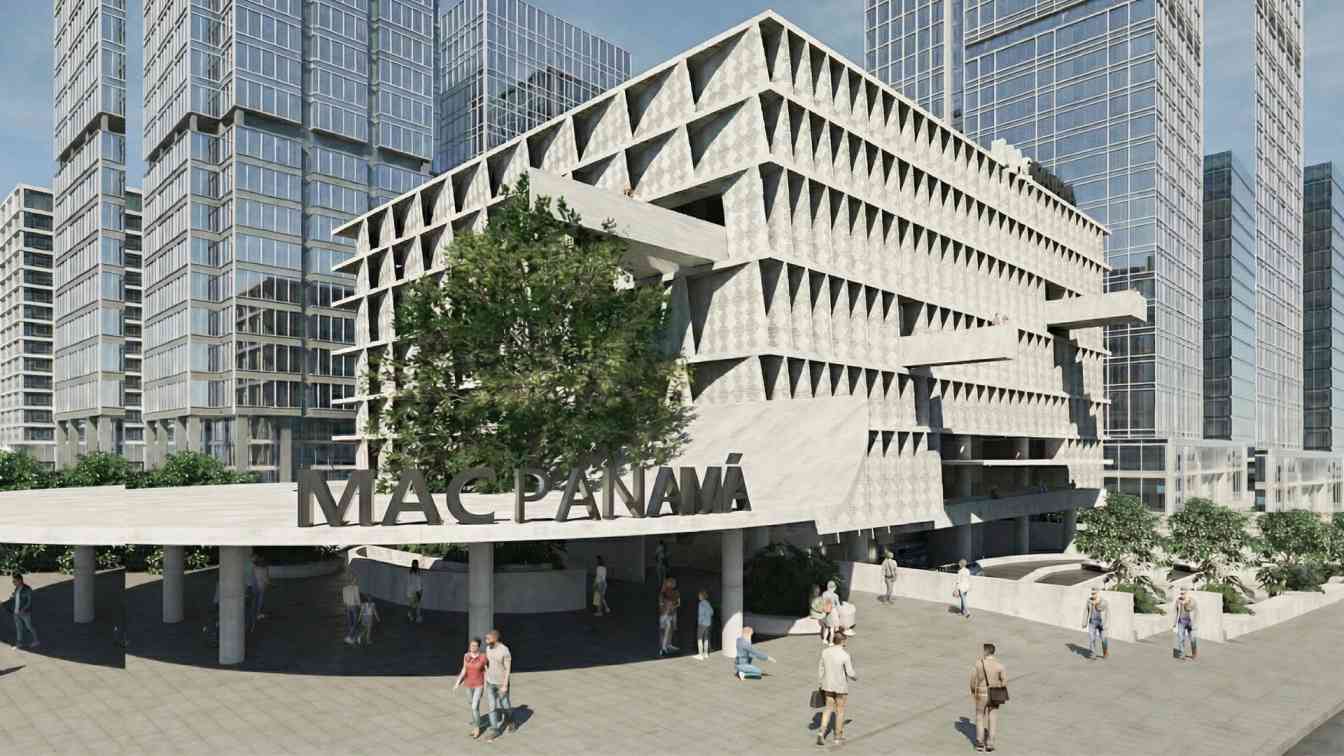
The UMBRA Contemporary Museum of Panama, designed by Lucio Muniain et al, is conceived not as a conventional, hermetically sealed building, but as a dynamic structure actively engaging with its environment. The project’s core philosophy centers on producing shade, regulating temperature, and constructing usable public space within a tropical context where climate profoundly influences urban life.
Climate as a Design Driver
The museum’s design begins with the climate of Panama. The architects have developed a permeable 45 by 45 meter box that functions less as a solid mass and more as a deep, adaptable envelope. This exterior lattice is engineered to manage the building’s environmental performance, with its elements oriented to precisely control solar radiation. This transforms the facade into a sophisticated filtering system that allows diffused light to enter and ensures continuous air circulation, blurring the lines between interior and exterior. The result is a building that acts as an “atmospheric infrastructure” rather than an isolated object.
Public Space and Ground Plane Activation
Raised on minimal supports, the museum volume liberates the ground plane, allowing air to flow freely beneath and through the structure. The design integrates water and vegetation as active elements in thermal regulation, cooling the immediate surroundings and creating a sun-protected public plaza. This shaded void serves as the primary access point, functioning as a natural extension of the city rather than a formal, imposing lobby. The circulation sequence eschews monumentality, instead guiding visitors through a gradual ramp that offers fragmented views of the building through reflections, shadows, and shifts in scale. This approach allows visitors to experience the envelope and intermediate spaces before reaching the galleries, making climate and perception integral to the architectural journey.
Internal Organization and Experience
A large central void organizes both vertical and horizontal circulation within the museum. Balconies, bridges, and ramps provide constant visual connections to the building’s activity, presenting the museum’s operation as a visible, collective, and dynamic system. Circulation spaces are designed not just for movement but as areas for lingering, interaction, and observation.
In contrast to the expressive exterior, the exhibition galleries are conceived as silent, neutral, and controlled environments. Their precise proportions and carefully managed lighting prioritize the artwork, allowing architecture to recede and the art to become the focal point. The intensity of the spatial experience is concentrated within the circulation and transitional zones, while the galleries serve as spaces for focus and contemplation.
Materiality and Cultural Context
The building’s structure is a clear expression of its conceptual clarity: a concrete column grid supports a long-span steel system, providing interior flexibility. The prefabricated concrete lattice, which forms the envelope, is engraved with patterns inspired by Panamanian graphic traditions. This imbues the facade with a cultural dimension that moves beyond superficial decoration, connecting the building to its locale through material and shadow.
The UMBRA Museum does not aim for iconic status through its form alone. Its presence is defined by its ability to modify its environment, organize void, and make the tropical climate a habitable and enjoyable aspect of the visitor experience. It stands as a museum conceived through shade, air, and public space, effectively mediating between the tropical urban environment of Panama and the experience of art.
Key facts
| Feature | Detail |
|—|—|
| Project Name | UMBRA Contemporary Museum of Panama |
| Lead Designer | Lucio Muniain et al |
| Core Concept | Climate-responsive design, public space creation |
| Key Elements | Permeable lattice facade, elevated volume, integrated water and vegetation |
| Location | Panama |
This project offers a compelling case study for architects and urban planners grappling with the challenges of designing in hot and humid climates. It demonstrates how buildings can actively contribute to the urban fabric by enhancing public space and creating comfortable microclimates, rather than simply sheltering occupants from the elements. The integration of local cultural motifs into the facade adds another layer of relevance and contextual sensitivity.
Source: Amazing Architecture – https://amazingarchitecture.com/visualization/umbra-contemporary-museum-of-panama-by-lucio-muniain-et-al
Datos clave
| Punto | Detalle |
|---|---|
| Fuente | Amazing Architecture |
| Fecha | 2026-06-27T01:01:47+00:00 |
| Tema | UMBRA Contemporary Museum of Panama by Lucio Muniain et al |
Source
Amazing Architecture Original publication: 2026-06-27T01:01:47+00:00
Related news
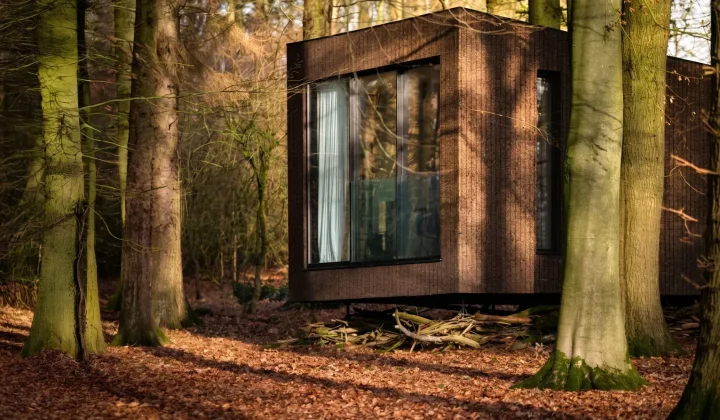
Koto launches Haku, a mobile prefab hotel suite built on a wheeled chassis to bypass UK planning restrictions
UK architecture studio Koto has unveiled Haku, a fully mobile prefabricated suite that legally qualifies as a caravan, allowing landowners and hotel…
Read more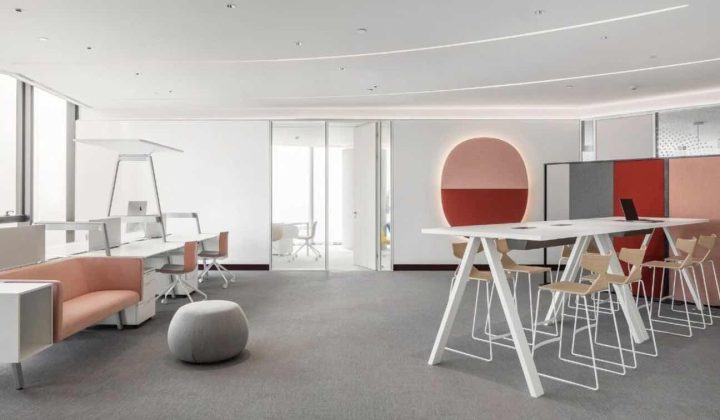
HONG Designworks Completes Private Office in Xi’an That Balances Memory, Materiality, and Long-Term Use
The Xi’an office by HONG Designworks integrates a folded steel staircase, retained furniture from a previous workspace, and a restrained purple-gray palette…
Read more
Handwoven Teak and Cord Outdoor Seating Debuts from Masaya and Abril Zepeda
Nicaraguan furniture brand Masaya has introduced two new handcrafted outdoor chairs — a rocking chair and a lounge chair — designed by…
Read more
Place in Mind: Hendricks Churchill Launches Hospitality Group to Revive Historic Properties
The architecture and interior design studio Hendricks Churchill has launched Place in Mind, a new hospitality group focused on acquiring, restoring, and…
Read moreRelated wiki
Adaptive Reuse in Architecture
Reference page for reuse, retrofit, conversion, embodied carbon and design constraints.
Read more