Arriaga Linear Park Reconnects Regional Mobility with Local Life in Mexico
Laboratorio Regional de Arquitectura has designed a transformative linear park in Arriaga, Mexico, as part of a national initiative to integrate railway infrastructure with community spaces, enhancing both mobility and local engagement.
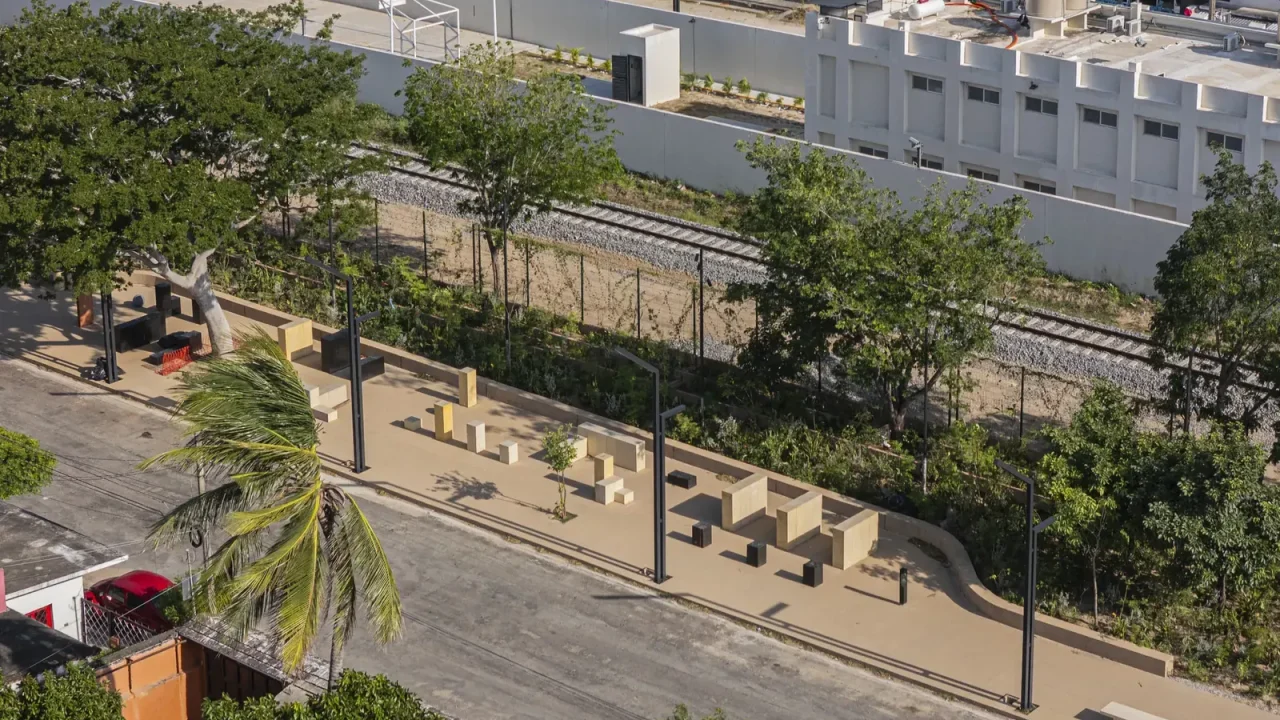
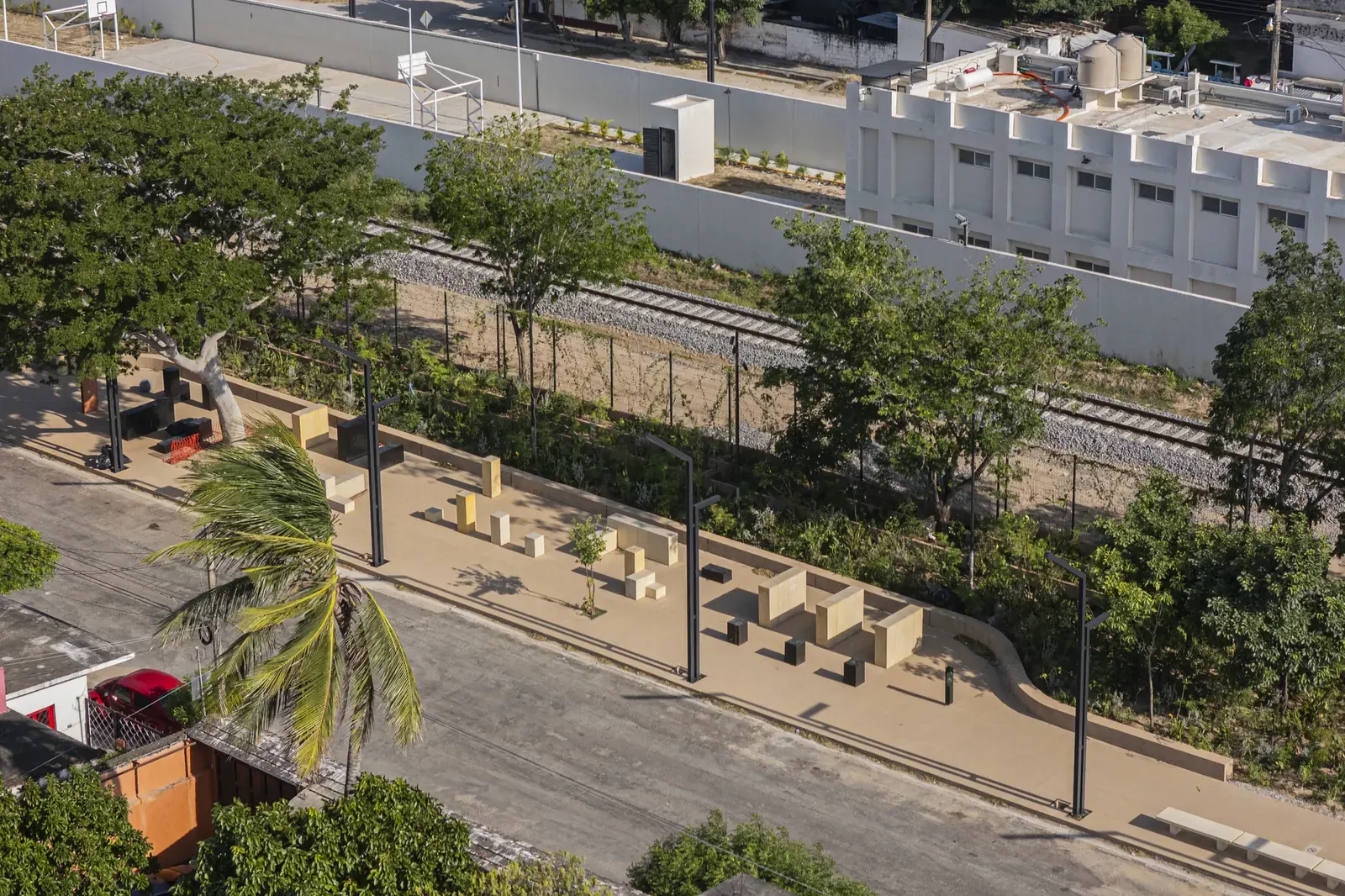
New life is being breathed into Arriaga, Mexico, with the development of the Arriaga Linear Park. This innovative project, designed by Laboratorio Regional de Arquitectura, aims to bridge the gap between regional transportation infrastructure and the everyday experiences of the local community. The park is a key component of the broader “Interoceanic Railway” project, a significant national undertaking by the Mexican Government to enhance connectivity across the country’s southeastern region.
The Secretariat of the Navy has been instrumental in this initiative, overseeing the construction and renovation of vital railway infrastructure. This comprehensive effort extends beyond simply laying new tracks; it encompasses the thoughtful design of railway stations and the surrounding public realms, ensuring that these areas become functional and aesthetically pleasing spaces for residents and travelers alike.
Transforming Urban Corridors
The Arriaga Linear Park exemplifies a forward-thinking approach to urban development, particularly in how it addresses the often-stark interface between large-scale infrastructure and urban fabric. By transforming the areas adjacent to the railway lines into a linear park, Laboratorio Regional de Arquitectura has created a vital new public space. This design not only serves to beautify the area but also aims to foster a stronger sense of place and community connection, making the railway corridor an active part of the city’s life rather than a passive or disruptive element.
The strategic placement and design of the park are intended to reconnect regional mobility with local life. This means creating accessible pathways, recreational areas, and green spaces that encourage residents to engage with their environment and utilize the infrastructure in new ways. It’s a conscious effort to ensure that progress in transportation does not come at the expense of community well-being or local identity.
A Component of National Connectivity
The “Interoceanic Railway” project is a cornerstone of Mexico’s ambition to improve national and regional connectivity. The Arriaga Linear Park is a tangible manifestation of how such large-scale infrastructure projects can be designed to yield broader social and environmental benefits. The involvement of the Secretariat of the Navy underscores the national importance placed on this endeavor, integrating defense and infrastructure development with the goal of regional revitalization.
The project’s scope, which includes renovating existing tracks and potentially laying new ones, alongside the creation of new stations and public spaces, suggests a holistic vision for the railway’s future. The design of the Arriaga Linear Park is therefore not an isolated effort but an integral part of a larger strategy to modernize and enhance the railway network while simultaneously improving the quality of life in the communities it serves.
Design Philosophy and Impact
Laboratorio Regional de Arquitectura’s work on the Arriaga Linear Park focuses on creating public spaces that are both functional and meaningful. The concept of a “linear park” inherently suggests a design that follows the path of the railway, weaving through the urban landscape. This approach allows for the integration of diverse elements, from pedestrian and cycling paths to seating areas, landscaping, and potentially community gathering spots.
The success of such a project often lies in its ability to physically and socially reconnect disparate parts of a city. By turning a potentially utilitarian or even isolating railway corridor into a vibrant linear park, the design encourages pedestrian movement, social interaction, and a deeper appreciation of the urban environment. This can lead to increased local economic activity, improved public health through greater access to green space, and a reinforced sense of community pride.
Key facts
| Aspect | Details |
| :——————— | :———————————————————————- |
| Project Name | Arriaga Linear Park |
| Designer | Laboratorio Regional de Arquitectura |
| Location | Arriaga, Mexico |
| Associated Project | “Interoceanic Railway” project |
| Implementing Body | Secretariat of the Navy (Mexican Government) |
| Project Goal | Reconnect regional mobility with local life, enhance public spaces |
The development of the Arriaga Linear Park signals a commitment to a more integrated and human-centered approach to infrastructure projects in Mexico. It highlights how large-scale transportation initiatives can be designed to foster community well-being and enhance the urban environment, transforming utilitarian corridors into vibrant public spaces.
Source: Arriaga Linear Park / Laboratorio Regional de Arquitectura, ArchDaily, https://www.archdaily.com/1092461/arriaga-linear-park-laboratorio-regional-de-arquitectura
Datos clave
| Punto | Detalle |
|---|---|
| Fuente | ArchDaily |
| Fecha | 2026-07-10T19:00:00+00:00 |
| Tema | Arriaga Linear Park / Laboratorio Regional de Arquitectura |
Source
ArchDaily Original publication: 2026-07-10T19:00:00+00:00
Related news
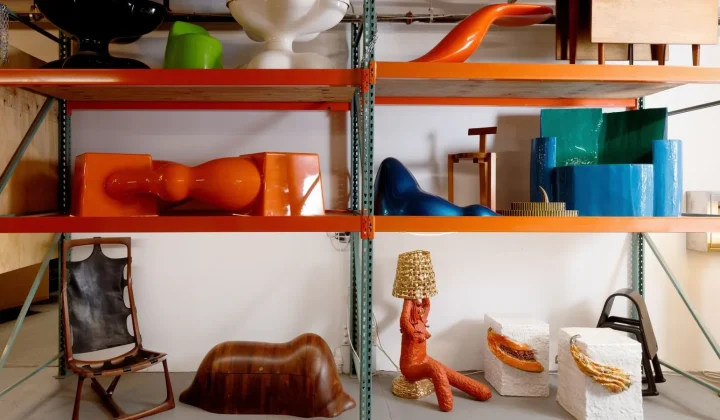
R & Company Opens Its Brooklyn Archive to the Public, Revealing 10 Rare Design Finds
The celebrated design gallery R & Company has opened its 16,000 sq ft storage facility, Building 86, in the Brooklyn Navy Yard…
Read more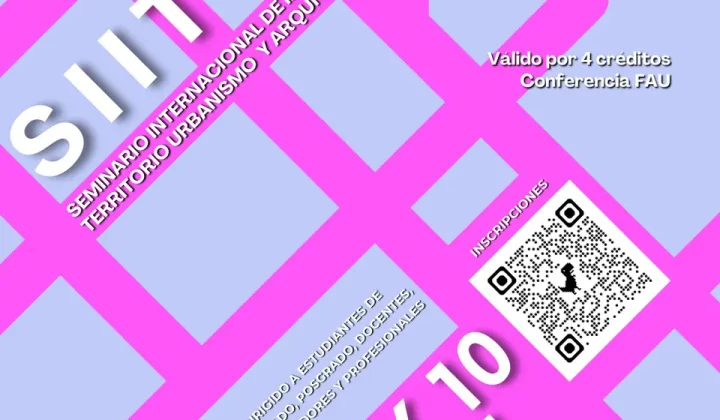
SIITUA III to Gather International Researchers on Territory, Urbanism, and Architecture in Lima
The third edition of the International Seminar on Research in Territory, Urbanism, and Architecture (SIITUA III) will take place in Lima, organized…
Read more
Christopher Kane brings streamlined, heritage-driven vision to Mulberry in London Fashion Week debut
The Scottish designer presented his first collection for the British leather goods house at London Fashion Week, blending sharp tailoring, archival references…
Read more
When Film Directors Become Interior Designers: Guadagnino, Lynch, Anderson and Almodóvar Step Off Screen
From Luca Guadagnino’s Zara Home collection to David Lynch’s Paris club and Wes Anderson’s train carriage, a wave of collaborations is blurring…
Read moreRelated wiki
Adaptive Reuse in Architecture
Reference page for reuse, retrofit, conversion, embodied carbon and design constraints.
Read more