
Bizkaia Bridge: A Nineteenth-Century Engineering Marvel Shaping Bilbao’s Estuary
Explore the Bizkaia Bridge, the world's first transporter bridge, an iron structure that revolutionized transport and influenced urban development at the mouth of the Bilbao Estuary.
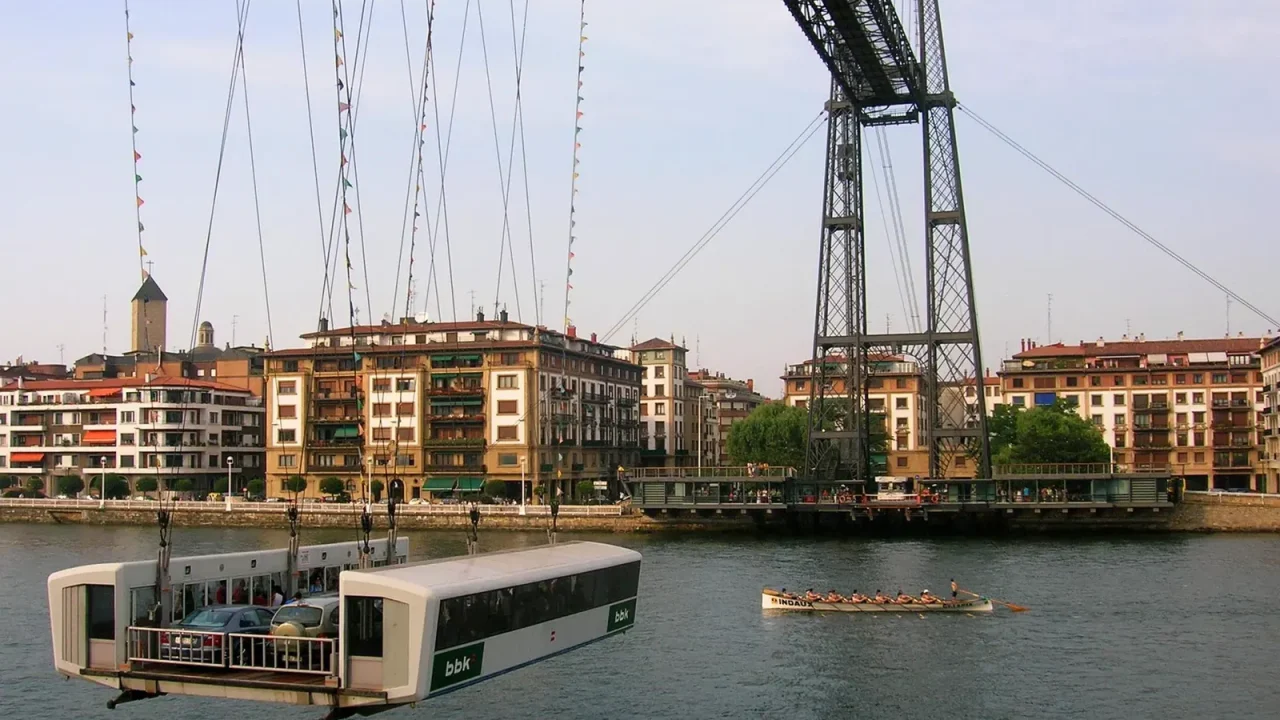
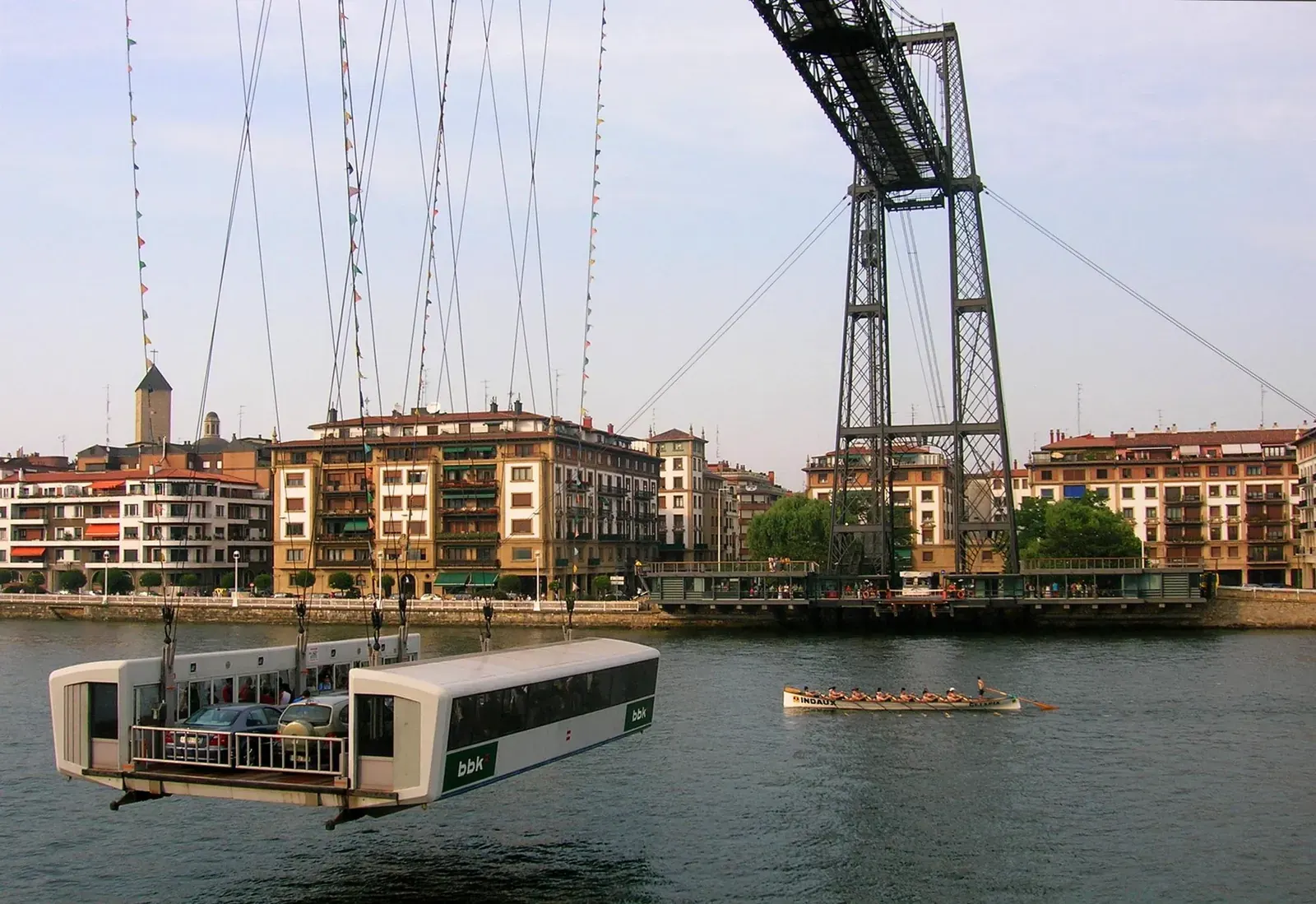
The Bizkaia Bridge, a remarkable iron structure west of Bilbao, stands as a testament to the ingenuity of the European Industrial Revolution. Recognized as the world’s first transporter bridge, it not only served as a vital transportation link but also became a model for similar structures across continents, profoundly influencing the culture and economy of the societies it connected.
A Fusion of Tradition and Innovation
Erected across the Nervión River at the mouth of the Ibaizabal Estuary, the Bizkaia Bridge masterfully combines nineteenth-century ironworking traditions with the innovative use of lightweight alternating-twist steel cables. Its creation was driven by the need to connect the burgeoning industrial city of Bilbao with its neighboring communities, Portugalete and Getxo. The bridge’s unique suspended gondola system allowed passengers and vehicles to cross simultaneously without interrupting the passage of ships through one of Europe’s busiest inland ports.
Historical Context and Development
The origins of the Bizkaia Bridge trace back to the late nineteenth century, a period of significant industrial growth in the Bilbao Estuary. The region was a principal center for iron ore extraction, fueling a boom in mining, shipping, and manufacturing. This backdrop spurred ambitious infrastructure projects, including the Bizkaia Bridge, conceived by Basque architect Martín Alberto de Palacio y Elissague and overseen by French engineer Ferdinand Joseph Arnodin.
Palacio conducted extensive research into various bridge designs before conceiving the transporter bridge. His vision was to create a solution that facilitated passenger and freight transport while maintaining unobstructed river navigation, all within a reasonable construction budget. The final design featured two horizontal trusses supported by four towers, founded on the estuary banks.
Construction and Material Significance
Construction commenced on April 10, 1890, on the Portugalete side. The project faced engineering challenges due to the sandy soil, but these were overcome through meticulous site preparation and foundation laying. The towers were erected in sections, with the steel framework initially assembled using bolts before being secured with approximately 400,000 rivets. The use of iron, the paramount symbol of industrial progress at the time, was integral to the bridge’s design and its representation of modernity.
Beyond Transportation
The Bizkaia Bridge was more than just a feat of engineering; it was a catalyst for urban development. It facilitated daily commutes for hundreds of thousands of people who previously relied on rowboats for crossing the estuary. Palacio also envisioned complementary features, such as an upper walkway for pedestrians and panoramic elevators, further integrating the bridge into the urban fabric and offering new perspectives of the surrounding landscape.
A Model for the World
The success of the Bizkaia Bridge quickly established it as a groundbreaking innovation. Its transporter bridge design was replicated in various locations throughout Europe, Africa, and the Americas, demonstrating its effectiveness and inspiring further advancements in bridge construction and transportation infrastructure. The bridge remains a powerful symbol of industrial heritage and innovative engineering, connecting past and present at the mouth of the Bilbao Estuary.
Key facts
| Feature | Detail |
|---|---|
| Name | Bizkaia Bridge |
| Type | Transporter Bridge |
| Location | Nervión River, Bilbao Estuary, Spain |
| Architect | Martín Alberto de Palacio y Elissague |
| Engineer | Ferdinand Joseph Arnodin |
| Construction Start | April 10, 1890 |
| Significance | World’s first transporter bridge, industrial heritage |
The Bizkaia Bridge’s enduring presence highlights the critical role of transportation infrastructure in shaping urban landscapes, economic activity, and community life. Its innovative design and historical significance make it a vital piece of architectural and engineering heritage.
Source: ArchDaily – Movement, Innovation, and Memory: The Bizkaia Bridge Between Engineering and Heritage (https://www.archdaily.com/1092338/movement-innovation-and-memory-the-bizkaia-bridge-between-engineering-and-heritage)
Source
ArchDaily Original publication: 2026-07-15T07:31:00+00:00
Related news

HONG Designworks Completes Private Office in Xi’an That Balances Memory, Materiality, and Long-Term Use
The Xi’an office by HONG Designworks integrates a folded steel staircase, retained furniture from a previous workspace, and a restrained purple-gray palette…
Read more
Handwoven Teak and Cord Outdoor Seating Debuts from Masaya and Abril Zepeda
Nicaraguan furniture brand Masaya has introduced two new handcrafted outdoor chairs — a rocking chair and a lounge chair — designed by…
Read more
Place in Mind: Hendricks Churchill Launches Hospitality Group to Revive Historic Properties
The architecture and interior design studio Hendricks Churchill has launched Place in Mind, a new hospitality group focused on acquiring, restoring, and…
Read more
Adalberto Dias Architects Complete Restoration of Lisbon’s Patriarchal Cathedral and Archaeological Center
The restoration of the Sé de Lisboa by Adalberto Dias Arquitecto integrates a new archaeological center, preserved cloisters, and seven centuries of…
Read moreRelated wiki

Adaptive Reuse in Architecture
Reference page for reuse, retrofit, conversion, embodied carbon and design constraints.
Read more