Sanduteca – Sandwich Library: A Didactic Interior by Estúdio Cajalima in São Paulo
Estúdio Cajalima’s Sanduteca in São Paulo’s Galeria Metrópole creates a “library of flavors” with a didactic interior that blends vintage and contemporary elements to engage customers through taste and seasonings.
Overview
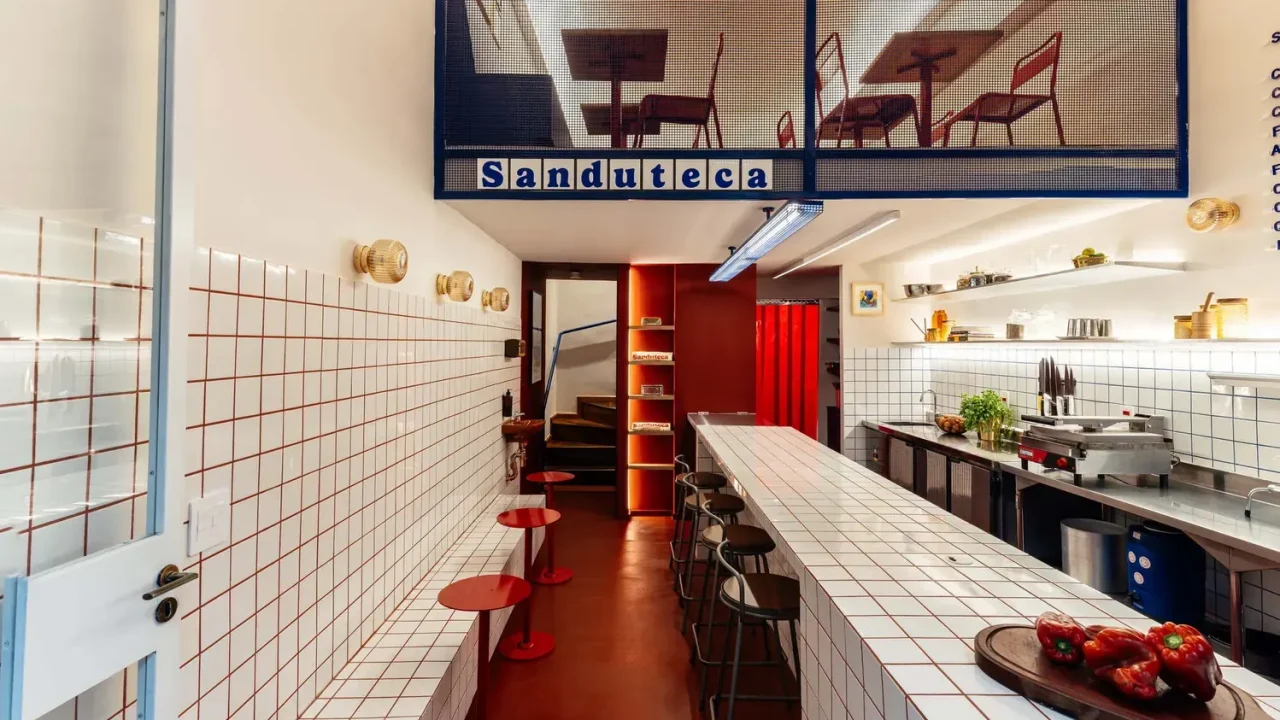
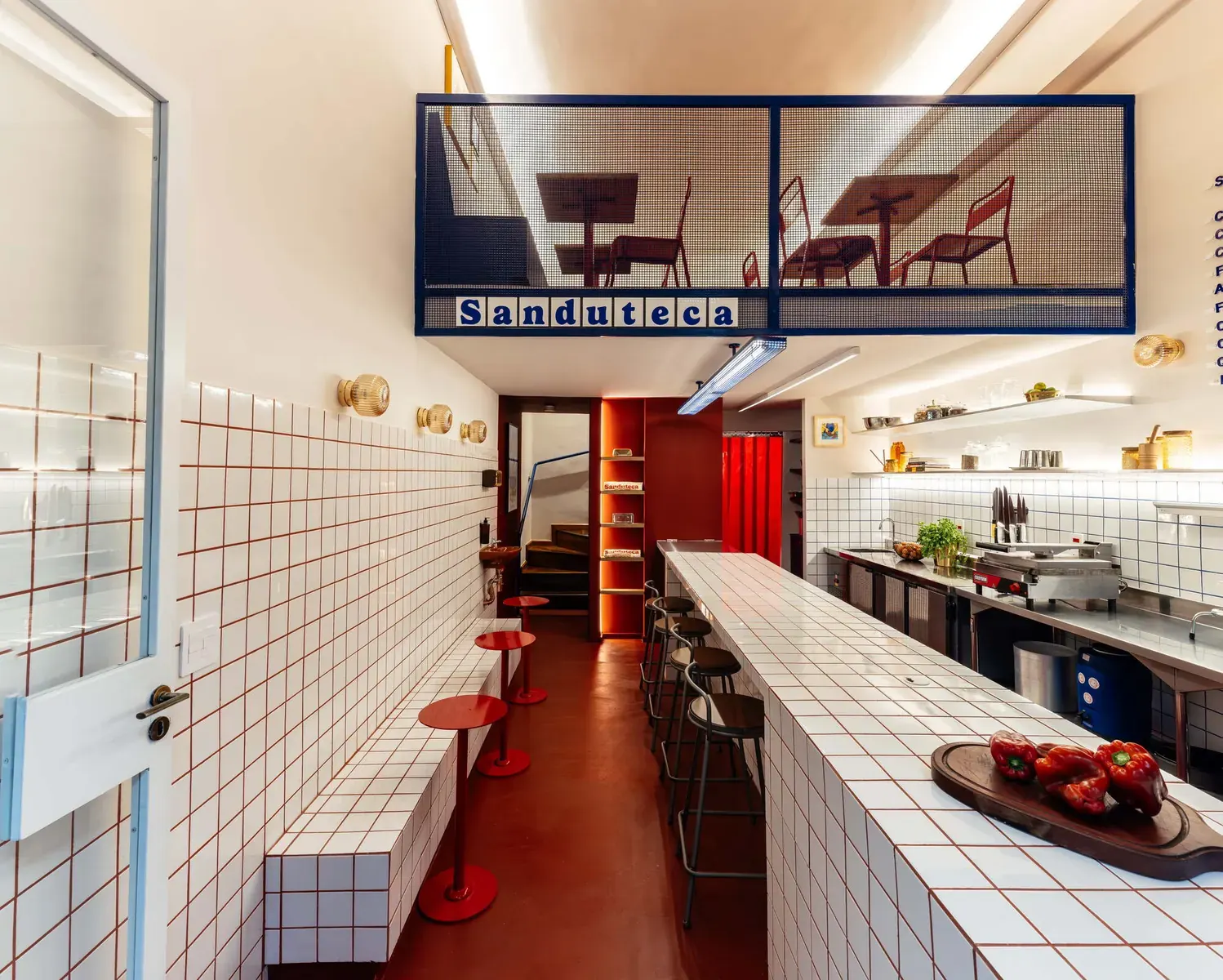
In July 2026, Estúdio Cajalima completed Sanduteca, a sandwich bar and library hybrid located in São Paulo’s historic Galeria Metrópole. The project reimagines the dining experience as an educational journey, where customers interact with a curated collection of flavors and seasonings from around the world. The space functions as both a restaurant and a “library of tastes,” using interior architecture to prompt discovery and conversation.
Concept and Design
The design brief treated the menu as a catalog to be explored rather than simply ordered. Estúdio Cajalima arranged the interior around open shelving that displays spices, condiments, and reference books, inviting customers to browse and learn about the origins of ingredients. The layout encourages a non-linear visit: guests can move between the counter, tasting stations, and seating areas organized by culinary theme. The architects describe the space as a “didactic environment,” where the physical setting supports a deeper engagement with food.
Por que importa
Vintage furniture and fixtures are paired with contemporary materials—raw concrete, steel, and warm wood—to create a layered atmosphere that references both the building’s art deco heritage and modern gastronomy. The Galeria Metrópole, a landmark shopping arcade from the 1950s, provides a dense urban context that the design responds to without overwhelming.
Materials and Atmosphere
The interior palette is deliberately restrained to let the products and colors of the spices stand out. Dark stained wood shelves contrast with white walls, while pendant lights with exposed bulbs cast a warm glow over the counter. The architects used perforated metal panels for the ceiling to improve acoustics and add a subtle industrial texture. Vintage chairs and tables were sourced from local flea markets, each with its own patina, reinforcing the idea of a collection assembled over time.
Contexto
Large mirrors on one wall visually expand the narrow floor plan and reflect the shelves, creating an effect of infinite depth. The result is a space that feels both intimate and expansive, encouraging customers to linger and explore.
Key facts
| Project | Sanduteca – Sandwich Library |
|---|---|
| Location | Galeria Metrópole, São Paulo, Brazil |
| Architect | Estúdio Cajalima |
| Published | July 2026 (ArchDaily) |
| Concept | Didactic interior architecture blending vintage and contemporary elements |
Why It Matters
Sanduteca exemplifies a growing trend in hospitality design where the physical environment is used as a tool for education and storytelling. For architects and interior designers, the project demonstrates how a small commercial space can be transformed into a multi-sensory experience without relying on expensive materials or technology. The integration of vintage furniture with raw industrial finishes also offers a replicable model for adaptive reuse in historic arcades and galleries. Readers interested in interior architecture, restaurant design, and São Paulo’s urban fabric will find this case study relevant for its balance of identity, function, and historical context.
The project’s location in Galeria Metrópole—a protected structure—adds another layer: the design respects the existing architecture while introducing a distinct contemporary program. It shows how a food service concept can contribute to the cultural life of a public space, beyond mere commerce.
Source: ArchDaily, “Sanduteca – Sandwich Library / Estúdio Cajalima,” July 25, 2026. https://www.archdaily.com/1181310/sanduteca-sandwich-library-estudio-cajalima
Source
ArchDaily Original publication: 2026-07-25T13:00:00+00:00
Related news
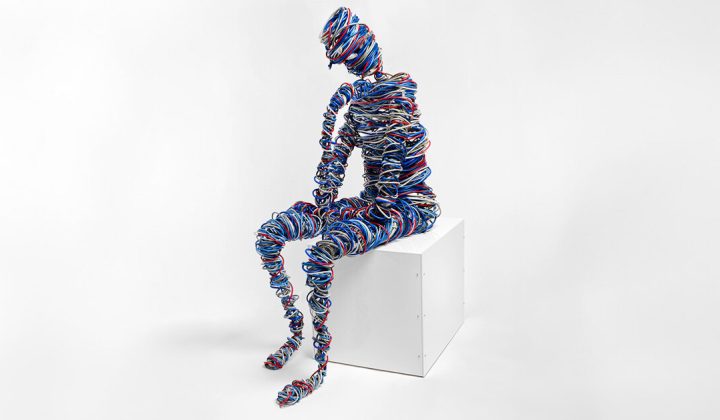
Cables and steel recast Rodin’s Thinker as a sculpture of the networked age
Artist Kasey McMahon has built a life-size version of Rodin’s iconic figure using a welded steel armature and hundreds of feet of…
Read more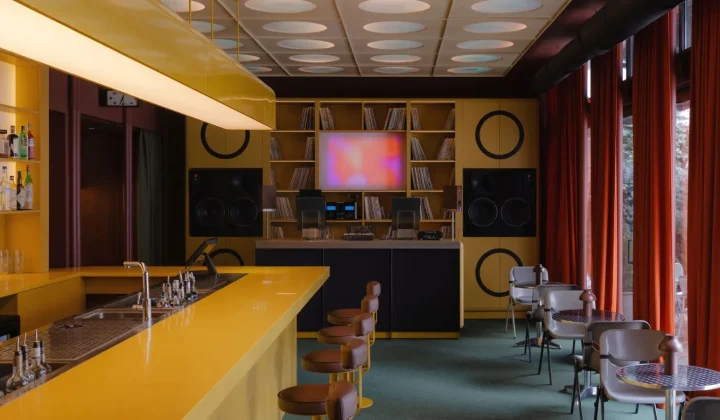
EJE brings K67-inspired futurism to a Belgrade listening bar
Esthetic Joys Embassy combines Yugoslav modernist references, high-fidelity vinyl listening and Asian-influenced dining inside a 1927 villa in Belgrade.
Read more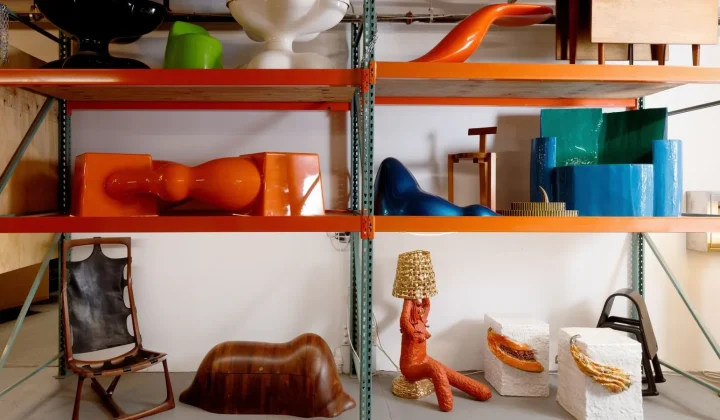
R & Company Opens Its Brooklyn Archive to the Public, Revealing 10 Rare Design Finds
The celebrated design gallery R & Company has opened its 16,000 sq ft storage facility, Building 86, in the Brooklyn Navy Yard…
Read more
SIITUA III to Gather International Researchers on Territory, Urbanism, and Architecture in Lima
The third edition of the International Seminar on Research in Territory, Urbanism, and Architecture (SIITUA III) will take place in Lima, organized…
Read moreRelated wiki
Adaptive Reuse in Architecture
Reference page for reuse, retrofit, conversion, embodied carbon and design constraints.
Read more