
12 Colombian Houses Showcase the Enduring Appeal of Exposed Brick
ArchDaily highlights a dozen Colombian homes that use exposed brick as a structural and aesthetic statement, reflecting the material's deep roots in the country's architectural tradition and its modern versatility.
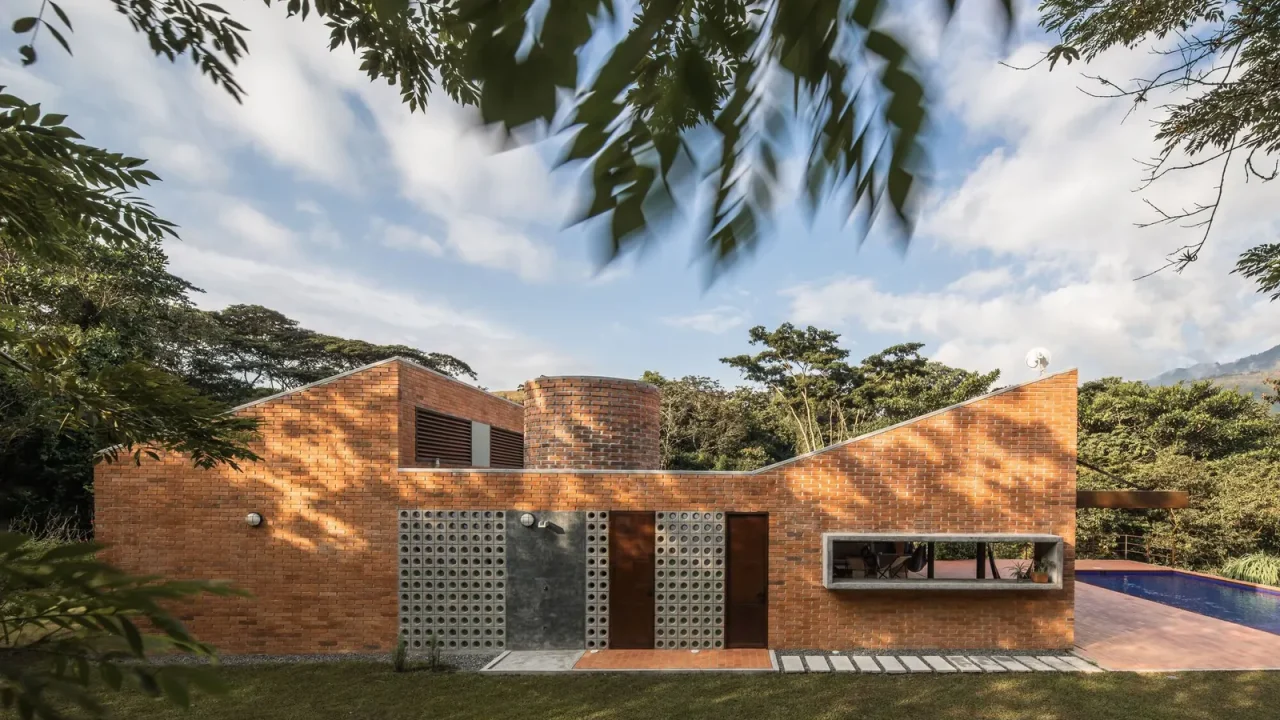
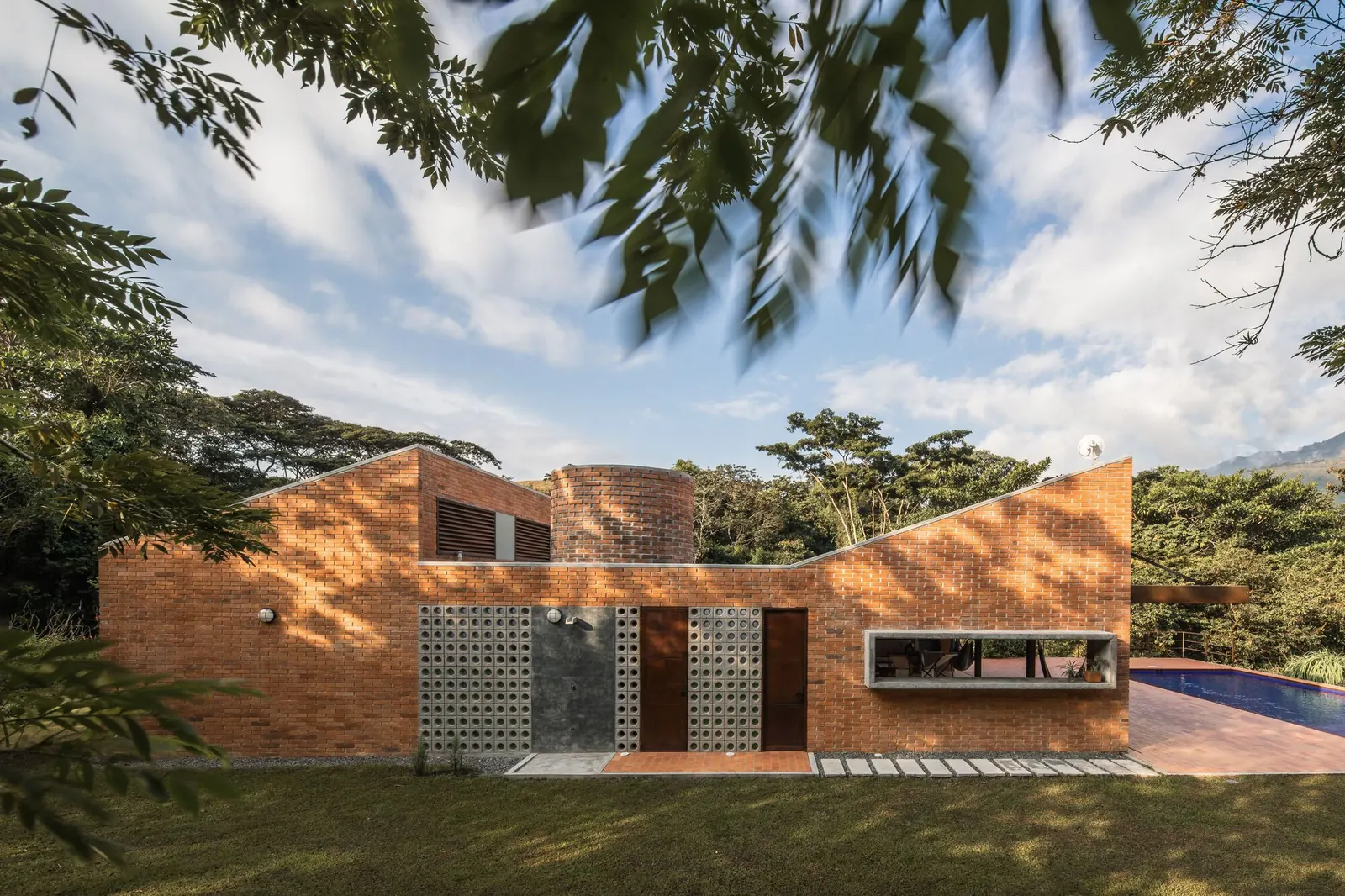
Colombian architecture has long been defined by its use of brick, a material that shapes everything from Bogotá’s dense urban fabric to remote rural homes. A new feature published by ArchDaily on August 21, 2026, presents 12 houses that use exposed brick not merely as cladding but as a primary structural and visual language. The roundup, written by Santiago Baraya, underscores the material’s continued relevance in contemporary residential design.
The selection spans projects from across Colombia, demonstrating how architects are reinterpreting a traditional building material. The houses range from compact urban infill plots to expansive countryside retreats, each leveraging brick’s texture, thermal properties, and aesthetic warmth. The feature builds on a long history: Colombia’s high-quality clay, particularly from regions near Bogotá, has supported a robust artisanal brickmaking industry for decades.
Por que importa
Key facts
| Fact | Detail |
|——|——–|
| Publication date | August 21, 2026 |
| Source | ArchDaily, written by Santiago Baraya |
| Number of projects | 12 houses |
| Core material | Exposed brick (ladrillo a la vista) |
| Geographic scope | Colombia, with emphasis on Bogotá region |
Why brick endures in Colombian design
Brick’s prevalence in Colombia is not accidental. The country’s clay deposits are among the finest in Latin America, and a tradition of artisanal brickworks has supplied builders for generations. Architect Herbert Baresch, known for his custom brick formwork, even had adobe bricks manufactured by local artisans directly on construction sites. This integration of craft and construction has kept brick central to the country’s architectural identity. Modern technology has only expanded its applications, allowing for thinner profiles, varied textures, and new structural uses.
Contexto
The 12 houses featured in the ArchDaily collection illustrate this evolution. They include projects by emerging and established firms, each finding fresh ways to expose brick—whether through patterned walls, vaulted ceilings, or facades that blur the line between interior and exterior. The material’s natural thermal mass is particularly suited to Colombia’s varied climates, from cool highlands to humid coastal zones.
A material with local roots and global resonance
Exposed brick has become a signature of much contemporary Latin American architecture, but Colombia’s version is distinctly local. The reddish tones of the clay, the specific manufacturing techniques, and the way brick interacts with tropical light all contribute to a regional aesthetic that architects are now exporting through publications and international awards. For readers interested in sustainable design, brick’s durability and low maintenance make it a practical choice, while its ability to age gracefully adds character over time.
The ArchDaily feature does not claim that every project is award-winning or experimental; instead, it offers a cross-section of current practice. Some houses are modest in scale, others more ambitious, but all treat brick as an honest material—left visible rather than hidden behind plaster or paint.
What this means for architecture professionals
For architects, designers, and students following Latin American architecture, the roundup provides a useful reference. It shows how a single material can be adapted to different programs, budgets, and sites. It also highlights the importance of local supply chains and craft knowledge in producing distinctive architecture. The projects may inspire similar approaches in other regions with strong clay traditions, from Mexico to parts of Europe and Asia.
The feature also serves as a reminder that exposed brick is not a passing trend. It has been a constant in Colombian building for centuries, and these 12 houses demonstrate its capacity for reinvention. Readers looking for specific technical details or construction methods will need to consult individual project pages, as the ArchDaily article is a curated overview rather than a technical manual.
Source and further reading
The full article with image gallery is available on ArchDaily: https://www.archdaily.com/939644/11-colombian-houses-that-feature-exposed-brick
Source: ArchDaily, “12 Colombian Houses Featuring Exposed Brick” by Santiago Baraya, August 21, 2026.
Datos clave
| Punto | Detalle |
|---|---|
| Fuente | ArchDaily |
| Fecha | 2026-08-21T07:30:00+00:00 |
| Tema | 12 Colombian Houses Featuring Exposed Brick |
Source
ArchDaily Original publication: 2026-08-21T07:30:00+00:00
Related news

Handwoven Teak and Cord Outdoor Seating Debuts from Masaya and Abril Zepeda
Nicaraguan furniture brand Masaya has introduced two new handcrafted outdoor chairs — a rocking chair and a lounge chair — designed by…
Read more
Place in Mind: Hendricks Churchill Launches Hospitality Group to Revive Historic Properties
The architecture and interior design studio Hendricks Churchill has launched Place in Mind, a new hospitality group focused on acquiring, restoring, and…
Read more
Adalberto Dias Architects Complete Restoration of Lisbon’s Patriarchal Cathedral and Archaeological Center
The restoration of the Sé de Lisboa by Adalberto Dias Arquitecto integrates a new archaeological center, preserved cloisters, and seven centuries of…
Read more
Vantieghem Talebi’s ‘House of Cards’ Brings Timber Geometry to Belgian Family Home
A new family house in Belgium by US- and Swiss-based practice Vantieghem Talebi uses a steeply pitched, card-house-inspired form clad in Douglas-fir…
Read moreRelated wiki
Adaptive Reuse in Architecture
Reference page for reuse, retrofit, conversion, embodied carbon and design constraints.
Read more