
When Film Directors Become Interior Designers: Guadagnino, Lynch, Anderson and Almodóvar Step Off Screen
From Luca Guadagnino’s Zara Home collection to David Lynch’s Paris club and Wes Anderson’s train carriage, a wave of collaborations is blurring the line between cinematic world-building and real interior spaces.

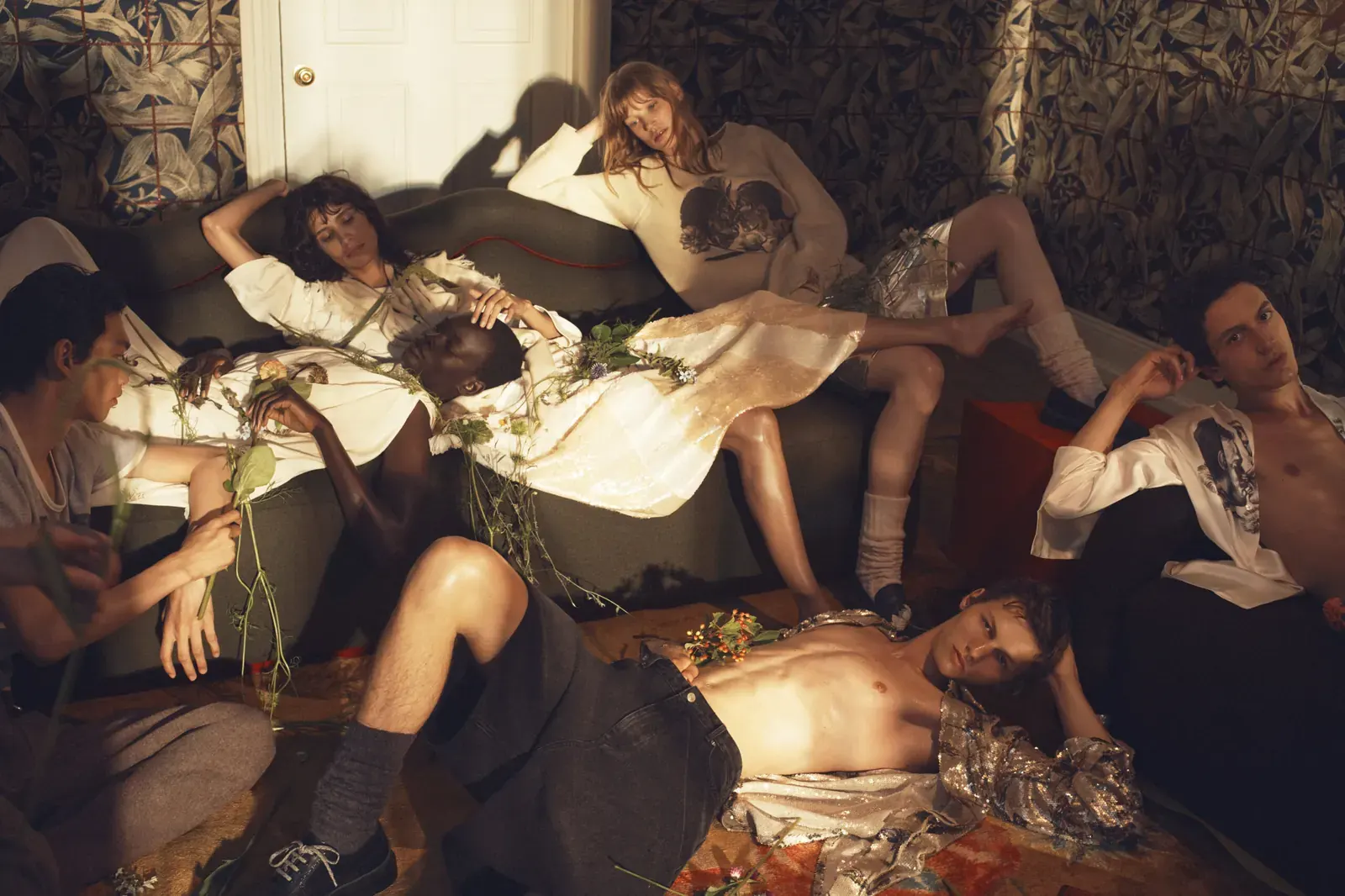
Later this month, film director Luca Guadagnino and designer Stefano Baisi will release a nearly 200-piece home collection with Zara Home, bringing the visual language of films such as Queer, Call Me by Your Name and Challengers into domestic interiors. The line includes squiggly sofas recalling Italian Radical Design and tableware that evokes an Italian villa, offering a tangible entry point into the director’s cinematic world.
Guadagnino is not new to spatial design. His Milan-based Studio Luca Guadagnino has worked on runways, hotels and private villas. In Rome, the studio redesigned monumental spaces within the Palazzo Talìa hotel, blending contemporary style with the building’s layered history. Baisi, who collaborated with Guadagnino on the set design for Queer and After the Hunt, as well as Jonathan Anderson’s S/S 2026 Dior runway in Paris, co-created the Zara Home collection.
This meeting of film and interior design extends well beyond one director. A growing number of filmmakers are translating their on-screen aesthetics into physical spaces, from hotels and restaurants to furniture collections and train carriages.
Key facts
| Director | Project | Location / Partner | Year |
|---|---|---|---|
| Luca Guadagnino | Baisi Guadagnino for Zara Home | Zara Home (global) | 2026 |
| David Lynch | Silencio club; A Thinking Room | Paris; Salone del Mobile, Milan | 2011; 2024 |
| Wes Anderson | Bar Luce; Cygnus carriage for British Pullman | Fondazione Prada, Milan; Belmond train | 2015; 2026 |
| Pedro Almodóvar | Furniture collection for Roche Bobois | Roche Bobois (global) | 2025 |
David Lynch’s interior worlds
The late David Lynch often spoke of following intuition when navigating the worlds he created on screen. His films, known for rich colors and liminal spaces, have inspired several real-world interiors. In 2011, he designed the Parisian club Silencio, named after the club in his 2001 thriller Mulholland Drive, featuring glittering gold walls and a distinctly cinematic atmosphere.
In 2024, Lynch created A Thinking Room for Milan’s Salone del Mobile, curated by Antonio Monda. The installation offered a meditative space that translated his visual language into a physical, contemplative environment. On a smaller scale, he also collaborated with Bang & Olufsen in 2018 on a line of speakers featuring his own visual art.
Wes Anderson’s real-life dreamscapes
Wes Anderson’s visually distinctive style — symmetrical compositions, hazy pastel palettes and yellow sans serif text — has become so recognizable that it sparked a social media trend. It is no surprise that institutions have invited him to bring that dreamlike quality into real spaces.
At Fondazione Prada’s Milan venue, Bar Luce welcomes visitors with a pinball machine and candy-colored seats, offering a taste of Anderson’s world over gelato or espresso. In March 2026, Anderson redesigned the Cygnus carriage for the Belmond British Pullman train. The carriage, built in the 1950s, previously appeared in the 1972 film Agatha starring Dustin Hoffman and Vanessa Redgrave. Belmond notes that it is one of eleven carriages on the British Pullman that have hosted royalty and survived World War II bomb raids.
Wong Kar Wai and Pedro Almodóvar
Fondazione Prada also created a sister space to Anderson’s Bar Luce: Wong Kar Wai’s fine dining venue, Mi Shang Prada Rong Zhai. The Hong Kong director, known for the neon-soaked romance of In the Mood for Love and the luxurious visuals of Blossoms Shanghai, brought his intimate, rich aesthetic to the dining experience.
Pedro Almodóvar, whose films are defined by an intense primary color palette, created a furniture collection with Roche Bobois in 2025. The line applied the Spanish director’s eye-popping color schemes to some of the company’s most iconic silhouettes, including the Bubble Sofa designed by Sacha Lakic. Films such as Kika, Volver and Parallel Mothers demonstrate how Almodóvar’s use of color in sets pushes his stories forward, making his films feel closer to dreams than to reality.
Why this matters for design readers
For architects, interior designers and design enthusiasts, these collaborations offer a practical case study in how narrative visual language can be translated into inhabitable spaces. Each director brings a distinct spatial sensibility — Guadagnino’s Italianate warmth, Lynch’s liminal mystery, Anderson’s controlled nostalgia, Wong Kar Wai’s luminous intimacy and Almodóvar’s chromatic boldness — that challenges conventional boundaries between set design and interior architecture.
The projects also demonstrate how cultural institutions, luxury brands and hospitality operators are increasingly turning to filmmakers not merely for promotional content but for genuine spatial authorship. As the lines between cinema, art and design continue to blur, these collaborations may point toward a broader shift in how we conceive of and commission interior spaces.
Source: Designboom — https://www.designboom.com/art/guadagnino-lynch-movie-directors-design-interior-spaces/
Source
Designboom Original publication: 2026-09-19T20:35:24+00:00
Related news

Jesus Mari Lazkano Examines Changing Landscapes Through Painting and Animated Film at Basque Luxury Studio
The Basque artist’s exhibition ‘Azken Natura’ brings together six large-scale paintings and a 22-minute animated film that traces the melting of the…
Read more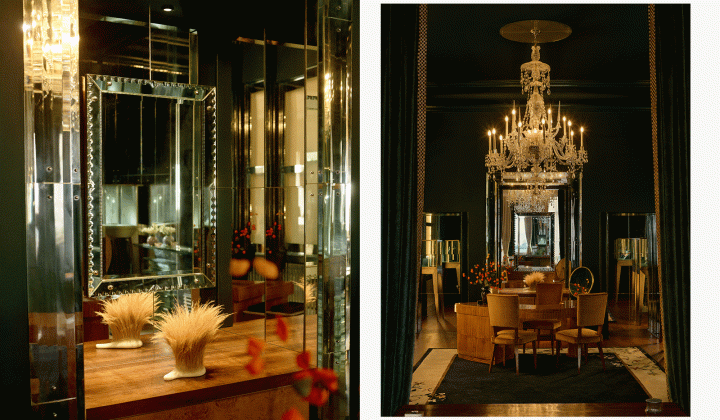
Glenn Spiro opens intimate jewellery atelier in Mayfair with designer Valerie Name Bolaño
The London jewellery house’s new boutique at 26 Bruton Street blends antiques, bespoke furniture and a monochrome palette to create a residential…
Read more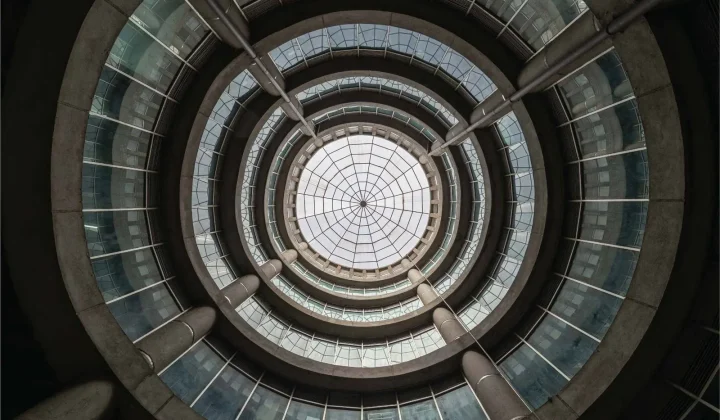
RIBA International Prize 2026 Shortlist Announced: Four Projects Vie for World’s Best Building
The Royal Institute of British Architects has revealed four projects competing for the 2026 International Prize, marking the award’s tenth anniversary with…
Read more
Veronica Mishaan revamps Bogotá penthouse with bold patterns and curated art collection
Colombian designer Veronica Mishaan has completed the renovation of a 580-square-metre penthouse in Bogotá, balancing family living with entertaining space while preserving…
Read moreRelated wiki

Adaptive Reuse in Architecture
Reference page for reuse, retrofit, conversion, embodied carbon and design constraints.
Read more