Place in Mind: Hendricks Churchill Launches Hospitality Group to Revive Historic Properties
The architecture and interior design studio Hendricks Churchill has launched Place in Mind, a new hospitality group focused on acquiring, restoring, and operating historic buildings in Vermont, beginning with The Seminary in Old Bennington.
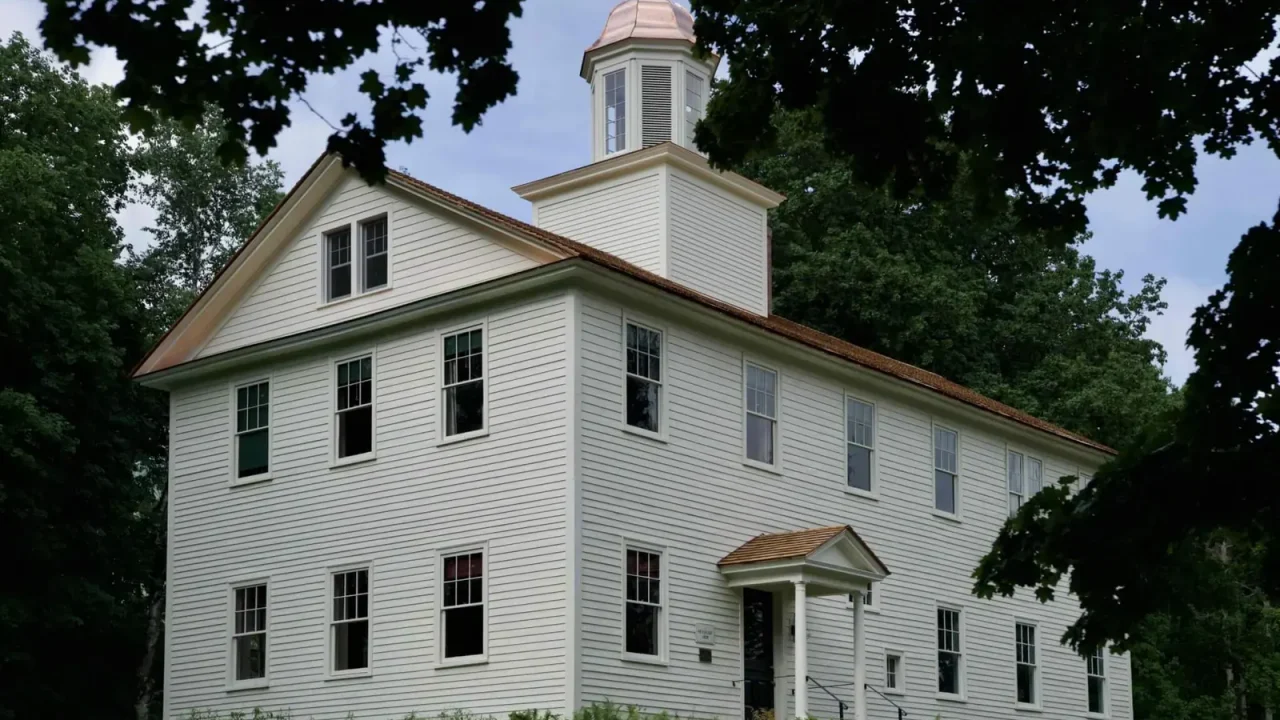
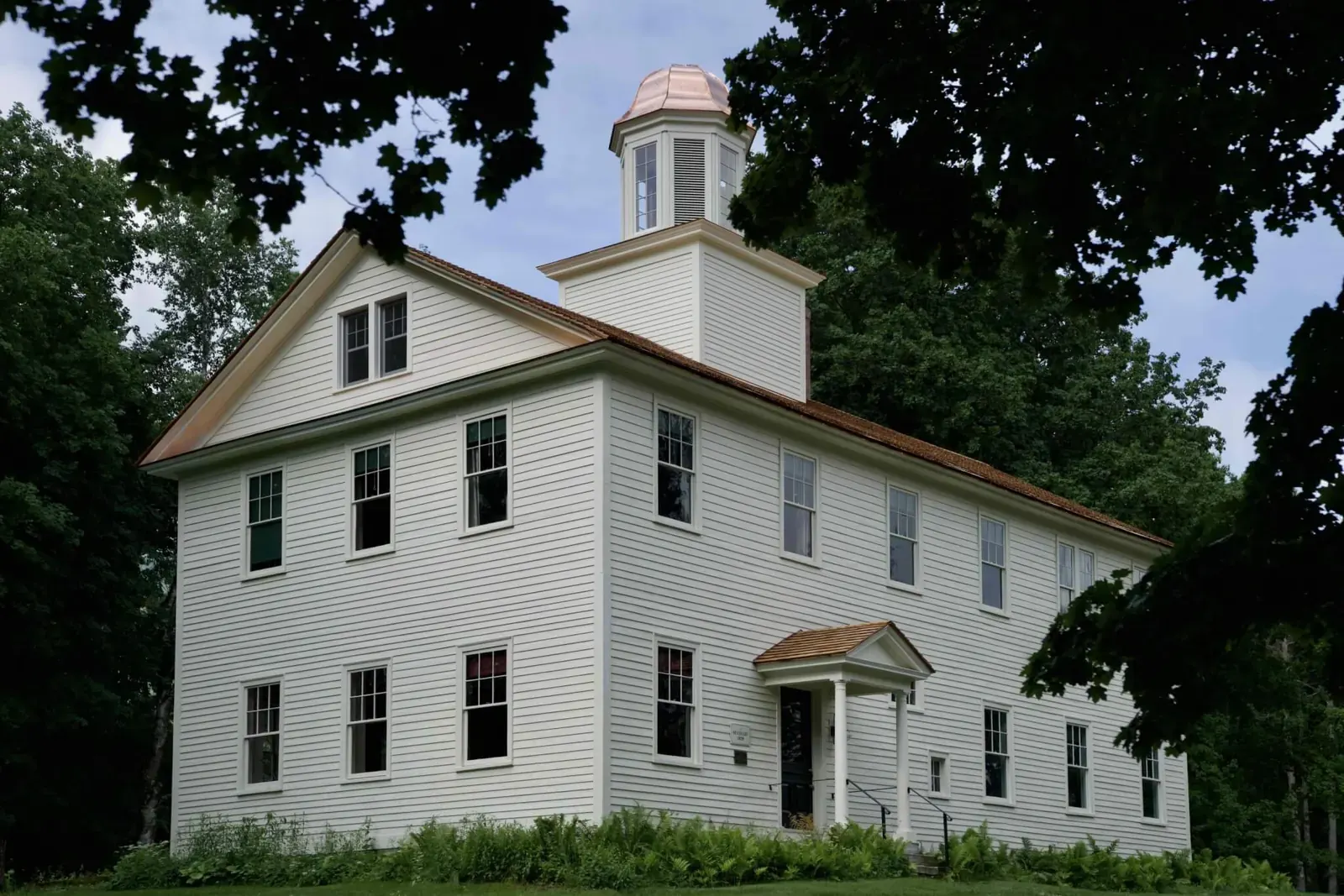
Rafe Churchill, founding partner of the architecture and interior design studio Hendricks Churchill, had been contemplating his next chapter when a real estate purchase in Vermont turned into the foundation of an entirely new venture. Rather than easing into retirement, Churchill acquired a neglected 1829 building in Old Bennington with the initial thought of restoring it for Bennington College. That single property has since evolved into Place in Mind, a hospitality group dedicated to identifying, acquiring, and reviving historic buildings across the region.
The group’s first property, The Seminary, soft-launched in May with six guest rooms. The project represents a direct extension of the design philosophy Churchill and his firm have developed over years of residential and interior work, now applied to hospitality where the architect and designer serve as their own client.
From architecture studio to hospitality operator
Place in Mind is a separate entity from Hendricks Churchill, though the two are closely linked. Churchill remains a partner in the architecture firm alongside Casey Sunderland, who serves as managing director of Hendricks Churchill and is now Churchill’s partner in the hospitality venture. Sunderland described the group’s mission as twofold: identifying overlooked or mistreated historic buildings, and using hospitality as the mechanism to sustain them.
“On one side, we are looking for overlooked or mistreated buildings, or ones which have not been respected in their renovations,” Sunderland told The Architect’s Newspaper. “On the other, really trying to use hospitality as the means to actually sustain them and allow them to breathe.”
Churchill framed the move as a search for creative freedom. “I was tired of being in the architectural services business and had to find something else,” he said. “I just want to have creative freedom and design things, not on a client’s whim. We wanted to work on houses that no one else was going to work on and give people the experiences that they might not ever have.”
Business model: ownership and brand licensing
Place in Mind operates under two distinct investment structures. In the first, the group owns the real estate directly, with investors funding the property acquisition and development. In the second, Place in Mind partners with existing property owners, overlaying its brand and operational expertise onto buildings the group does not own. In this model, investors back the brand itself rather than individual properties.
Hendricks Churchill handles all interior design for Place in Mind properties. The firm’s design approach, which it describes as “distinctly American,” is also the title of its second book published by Rizzoli. The aesthetic emphasizes respect for historic fabric while making spaces livable and welcoming for contemporary guests.
Churchill emphasized that the group intends to remain involved long after opening. “The maintenance, the styling, maintaining the experience is us,” he said. “We are not just choosing wallpaper. We are sticking around.”
A second property already in the pipeline
Beyond The Seminary, Place in Mind has acquired a second building: a 1764 structure in Vermont that has sat empty for nearly 40 years. Churchill first encountered the building as a student at Bennington College, when it was still in operation. Now purchased, the property, called The Wallomsac, is planned as a 40-room hotel. The renovation timeline is estimated at two and a half to three years.
Churchill described the project as a clear example of unlocking potential. “This is the perfect example of unlocking potential,” he said. “This place has 2½ to 3 years ahead of it.”
Design collaborations and brand ethos
Place in Mind seeks collaborations with makers and brands that share its preservation-driven ethos. At The Seminary, the group works with a clothing brand dedicated to restoring historic pieces. Sunderland described the approach as “preserving driven by nostalgia,” aiming to tap into shared cultural memories.
“We are distinctly American; it’s the title of our second book and this is what we are good at,” Churchill said. “We want collaborations with people who make things and care with love.”
The group positions itself as an alternative to developer-led hospitality. Churchill said he hopes property owners who are unsure what to do with historic buildings will reach out. “This is how hospitality should feel,” he said. “This is not for developers.”
| Key facts | |
|---|---|
| Founders | Rafe Churchill and Casey Sunderland |
| First property | The Seminary, Old Bennington, Vermont (6 rooms, opened May 2026) |
| Second property | The Wallomsac, Vermont (1764 building, planned 40-room hotel, 2.5–3 year timeline) |
| Design firm | Hendricks Churchill handles all interior design for Place in Mind properties |
For architecture and design professionals, Place in Mind presents a case study in how a design practice can expand into development and operations while maintaining design control. The model allows the firm to act as its own client, bypassing the traditional architect-developer dynamic. Whether this approach proves scalable beyond Vermont will depend on the group’s ability to secure properties and investors, but the early trajectory suggests a growing interest in preservation-led hospitality that prioritizes character over standardization.
Source: The Architect’s Newspaper, “A new hospitality group emerges from the architecture and design studio Hendricks Churchill to breathe new life into historic buildings,” https://www.archpaper.com/2026/10/new-hospitality-group-place-in-mind/
Source
The Architect's Newspaper Original publication: 2026-10-06T13:00:33+00:00
Related news

Handwoven Teak and Cord Outdoor Seating Debuts from Masaya and Abril Zepeda
Nicaraguan furniture brand Masaya has introduced two new handcrafted outdoor chairs — a rocking chair and a lounge chair — designed by…
Read more
Adalberto Dias Architects Complete Restoration of Lisbon’s Patriarchal Cathedral and Archaeological Center
The restoration of the Sé de Lisboa by Adalberto Dias Arquitecto integrates a new archaeological center, preserved cloisters, and seven centuries of…
Read more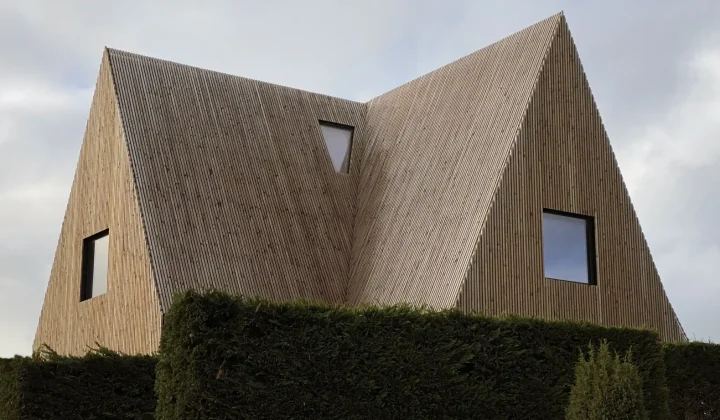
Vantieghem Talebi’s ‘House of Cards’ Brings Timber Geometry to Belgian Family Home
A new family house in Belgium by US- and Swiss-based practice Vantieghem Talebi uses a steeply pitched, card-house-inspired form clad in Douglas-fir…
Read more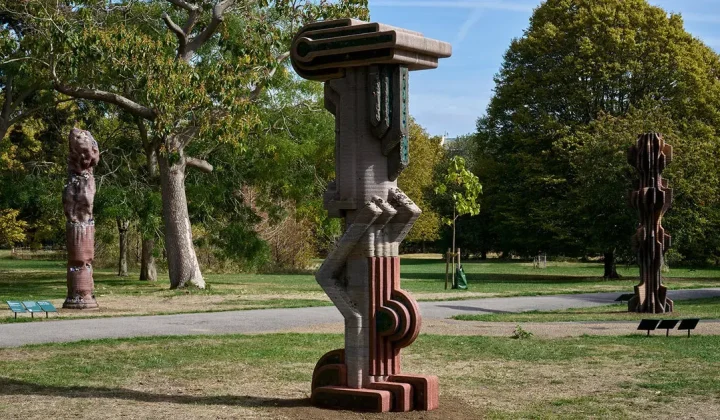
3D-printed concrete sculptures by Matyáš Chochola reinterpret Baroque allegories at Frieze Sculpture 2026
Czech artist Matyáš Chochola presents three large-scale 3D-printed concrete works at Frieze Sculpture 2026 in London, blending classical architectural fragments with Brutalism,…
Read moreRelated wiki

Adaptive Reuse in Architecture
Reference page for reuse, retrofit, conversion, embodied carbon and design constraints.
Read more