Altitude’s Influence on Andean Architecture: Navigating Diverse Climates
Architects in the Andes face unique challenges as elevation dictates drastic shifts in climate, solar radiation, and topography, requiring specialized design approaches.
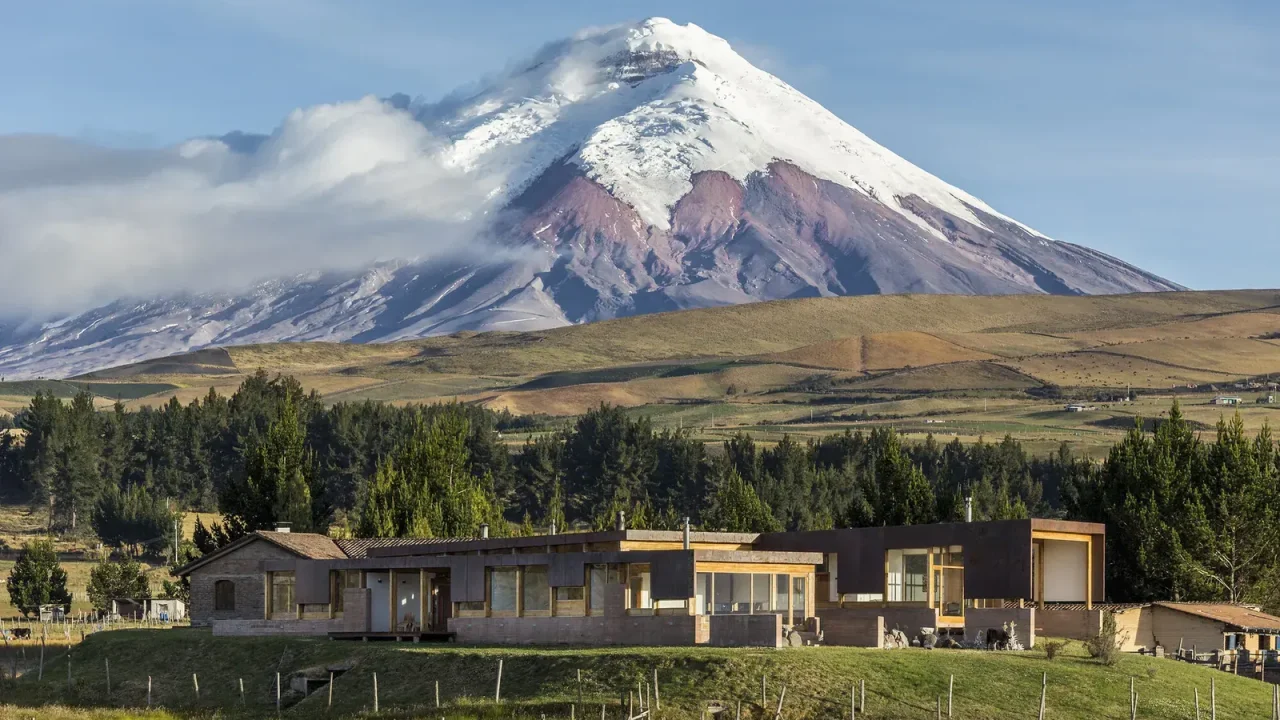
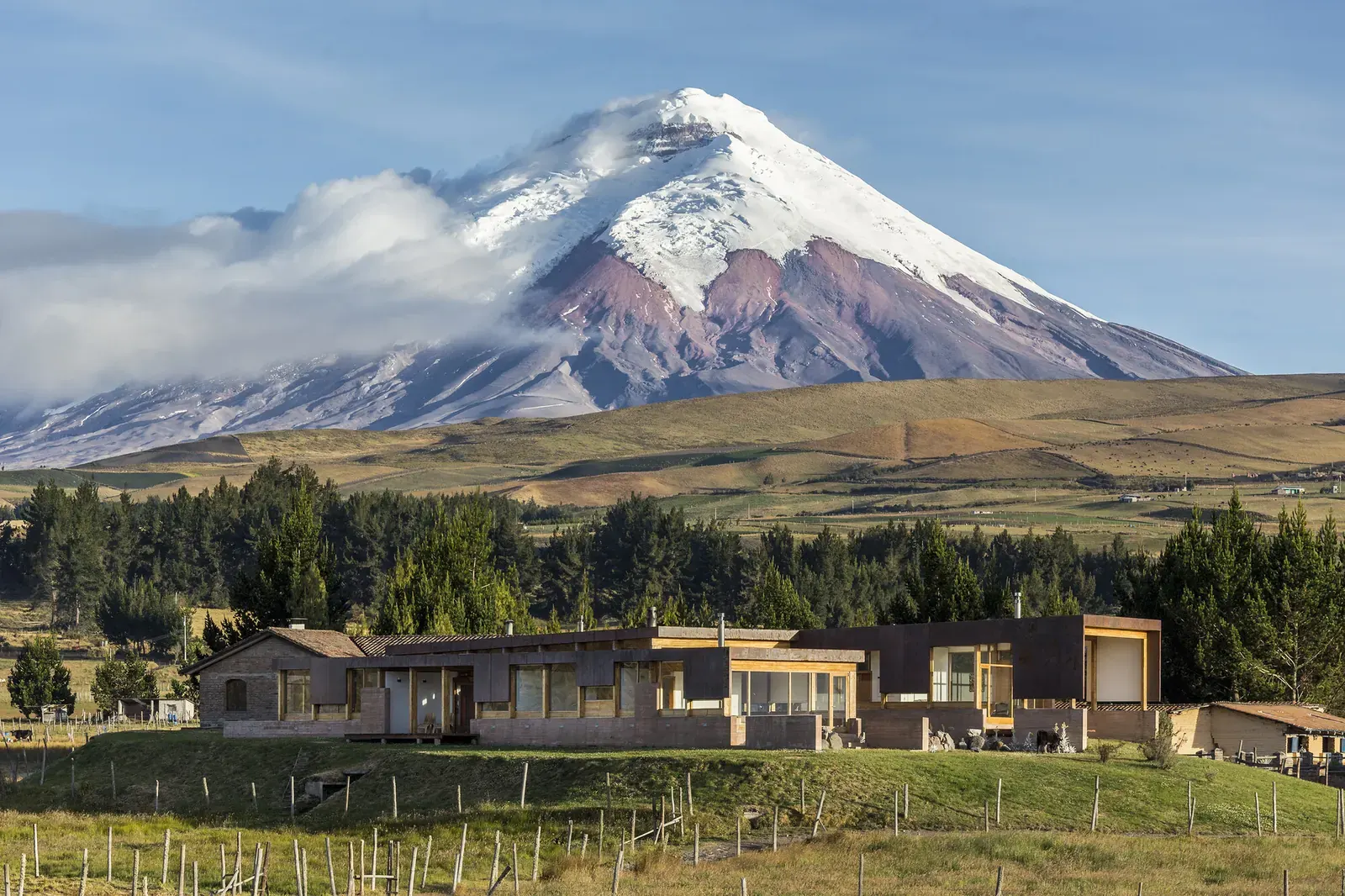
The Andes mountain range, stretching across South America, presents a complex and diverse environmental tapestry that profoundly shapes architectural design. Far from being a monolithic cold climate, the Andes encompass a spectrum of ecosystems, from high-altitude páramos to temperate valleys, each demanding specific building strategies. This variability means that architects must consider a multitude of factors beyond simple temperature, including intense solar radiation, humidity fluctuations, wind patterns, and challenging topography.
Diverse Climates, Singular Range
While often perceived as a continuous mountain chain, the Andes are characterized by a remarkable diversity of microclimates within relatively short distances. Countries like Ecuador, Peru, Bolivia, Colombia, and Chile feature landscapes that can shift from arid highlands to lush temperate valleys and snow-capped peaks. This altitudinal gradient directly influences temperature, solar radiation intensity, humidity levels, wind speed, vegetation, and the very landforms architects must work with.
Beyond Cold: A Multifaceted Challenge
Unlike many mountainous regions where cold is the primary environmental concern, high-altitude architecture in the Andes must contend with a combination of climatic conditions. As elevation increases, solar radiation becomes significantly more intense, necessitating careful consideration of shading and UV protection. Simultaneously, some areas experience year-round humidity, while others endure prolonged dry seasons. These varying conditions, coupled with steep terrain, the presence of snow, and unpredictable weather patterns, create a complex design brief.
Design Implications for Altitude
These environmental variables translate directly into design decisions. Architects must develop strategies to manage intense solar gain, potentially utilizing passive design techniques to regulate interior temperatures. The choice of materials is also critical, needing to withstand fluctuating temperatures, humidity, and potentially harsh UV exposure. Building orientation and form may be adapted to harness natural light effectively while mitigating excessive solar heat. Furthermore, the steep and varied topography often requires innovative structural solutions and site integration to minimize environmental impact and maximize usability.
The article highlights projects like the Rumilahua House by Luis López López y Emilio López Herrera, which serves as an example of how these principles are applied in practice. While specific details of this project are not elaborated in the provided context, its inclusion suggests a focus on how contemporary architecture responds to the specific environmental pressures of the Andean highlands.
Key facts
| Factor | Impact on Design |
|---|---|
| Altitude | Influences temperature, solar radiation, humidity |
| Solar Radiation | Requires strategies for shading and UV protection |
| Topography | Demands innovative structural and site integration |
| Climate Diversity | Necessitates varied building approaches |
The significance of this topic for Paionia7 readers lies in understanding how global architectural practices adapt to extreme and diverse environmental conditions. It underscores the importance of climate-responsive design and the innovative solutions architects develop to create habitable and sustainable structures in challenging terrains. This focus on environmental adaptation is crucial for a readership interested in sustainable design, urbanism, and the future of architecture in diverse global contexts.
Source: ArchDaily – https://www.archdaily.com/1042916/architecture-in-the-andes-how-altitude-shapes-design-decisions
Source
ArchDaily Original publication: 2026-07-07T07:30:00+00:00
Related news
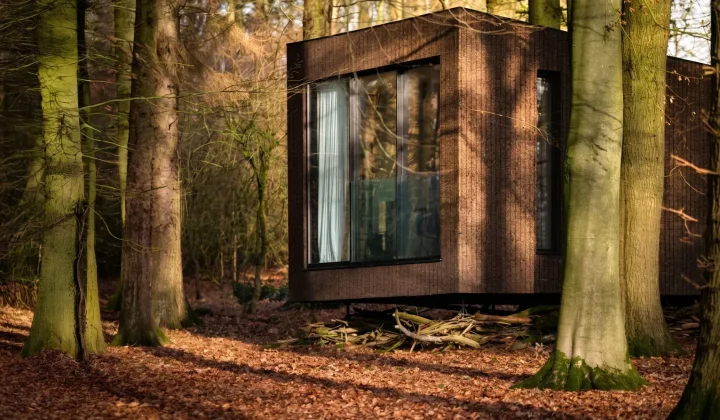
Koto launches Haku, a mobile prefab hotel suite built on a wheeled chassis to bypass UK planning restrictions
UK architecture studio Koto has unveiled Haku, a fully mobile prefabricated suite that legally qualifies as a caravan, allowing landowners and hotel…
Read more
HONG Designworks Completes Private Office in Xi’an That Balances Memory, Materiality, and Long-Term Use
The Xi’an office by HONG Designworks integrates a folded steel staircase, retained furniture from a previous workspace, and a restrained purple-gray palette…
Read more
Handwoven Teak and Cord Outdoor Seating Debuts from Masaya and Abril Zepeda
Nicaraguan furniture brand Masaya has introduced two new handcrafted outdoor chairs — a rocking chair and a lounge chair — designed by…
Read more
Place in Mind: Hendricks Churchill Launches Hospitality Group to Revive Historic Properties
The architecture and interior design studio Hendricks Churchill has launched Place in Mind, a new hospitality group focused on acquiring, restoring, and…
Read moreRelated wiki

Adaptive Reuse in Architecture
Reference page for reuse, retrofit, conversion, embodied carbon and design constraints.
Read more