The Enduring Icon: A Deep Dive into the Hollywood Sign’s Design and History
Originally erected as a temporary advertisement for a real estate development, the iconic Hollywood sign has evolved into a global symbol, undergoing significant transformations and weathering cultural shifts since its 1923 inception.
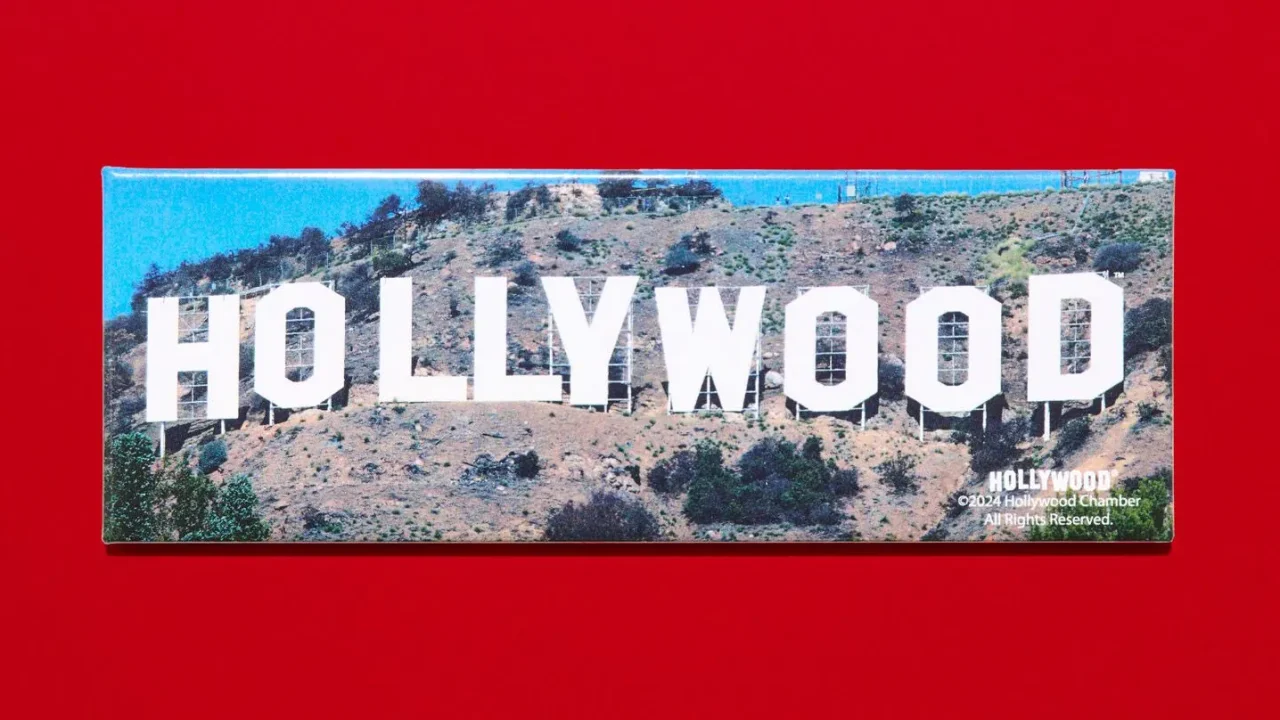
The world’s most recognizable sign, standing sentinel over Los Angeles, began not as a beacon of entertainment but as a billboard for a burgeoning real estate venture. Erected in 1923, the “Hollywoodland” sign was the brainchild of developers SH Woodruff and Tracy E Shoults, aiming to promote their new housing project. Thomas Fisk Goff of the Crescent Sign Company was tasked with bringing their vision to life, crafting 50-foot-tall block capital letters that stretched across the hillside above Beachwood Canyon.
Early Days and a Tragic Turn
Initially, the sign was brightly illuminated and found favor within the local community. However, its intended temporary nature and the subsequent decay of its wooden and steel structure soon became apparent. The sign’s narrative took a somber turn in 1932 when British starlet Peg Entwistle tragically fell from the ‘H’, an event that cast a shadow over the site and the dream factory it represented, making her a posthumous symbol of Hollywood’s darker side.
City Ownership and Chamber Intervention
By 1944, the city of Los Angeles had taken ownership of the sign, and discussions of its demolition began. At this point, the sign had deteriorated to the extent that it simply read “ollywoodland.” Fortunately, a groundswell of local support, coupled with the foresight of the Hollywood Chamber of Commerce, led to its preservation. The Chamber stepped in with a plan to restore the sign, reinstating the missing ‘H’ and famously dropping the “land” suffix. This crucial intervention transformed the sign from a local landmark into a globally recognized visual shorthand for the neighborhood, which had been officially incorporated in 1903.
A Major Overhaul and Celebrity Sponsorship
The original structure, a testament to early 20th-century signage, was completely rebuilt in 1978. This significant undertaking was fueled by a $250,000 fundraising campaign spearheaded by Hugh Hefner. In a unique move to finance the restoration, each letter was sponsored by a prominent figure. Notable sponsors included singer Andy Williams for the ‘W’ and rock musician Alice Cooper, who sponsored one of the ‘O’s in memory of the comedian Groucho Marx. This campaign ensured the sign’s structural integrity and cemented its connection with the entertainment industry it symbolizes.
An Enduring Symbol
Despite frequent trespassers, occasional vandalism, and the ever-changing landscape of the entertainment industry, the Hollywood sign has remained a constant. It continues to be a powerful emblem, transcending the aspirations of its original creators and standing as an enduring icon of American graphic design and a global cultural touchstone. The sign’s ability to adapt and endure is a testament to its powerful visual language and its deep integration into the global imagination.
Key facts
| Aspect | Detail |
|—|—|
| Original Purpose | Advertisement for “Hollywoodland” real estate development |
| Year Erected | 1923 |
| Original Name | Hollywoodland |
| Name Change | “Hollywood” in 1949 by the Hollywood Chamber of Commerce |
| Major Reconstruction | 1978, funded by a public campaign |
| Notable Sponsors (1978) | Andy Williams, Alice Cooper |
The Hollywood sign’s journey from a temporary advertisement to an indelible global icon offers a compelling narrative for design enthusiasts and urbanism followers. Its evolution highlights the power of branding, the impact of historical events on built landmarks, and the dynamic relationship between a city’s identity and its most famous structures. For readers interested in the intersection of design, culture, and urban landscape, the story of the Hollywood sign provides a rich case study in how a simple structure can become a universally understood symbol.
Source: Wallpaper, https://www.wallpaper.com/design-interiors/corporate-design-branding/hollywood-sign-story
Datos clave
| Punto | Detalle |
|---|---|
| Fuente | Wallpaper |
| Fecha | 2026-07-11T10:00:00+00:00 |
| Tema | Anatomy of a logo: behind Hollywoodland, the world’s most famous sign |
Source
Wallpaper Original publication: 2026-07-11T10:00:00+00:00
Related news

Handwoven Teak and Cord Outdoor Seating Debuts from Masaya and Abril Zepeda
Nicaraguan furniture brand Masaya has introduced two new handcrafted outdoor chairs — a rocking chair and a lounge chair — designed by…
Read more
Place in Mind: Hendricks Churchill Launches Hospitality Group to Revive Historic Properties
The architecture and interior design studio Hendricks Churchill has launched Place in Mind, a new hospitality group focused on acquiring, restoring, and…
Read more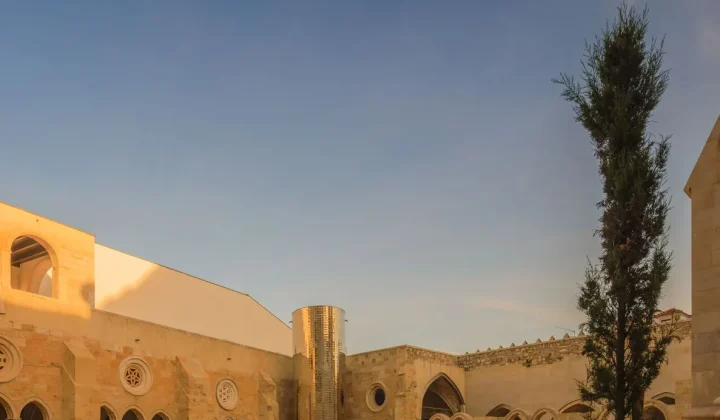
Adalberto Dias Architects Complete Restoration of Lisbon’s Patriarchal Cathedral and Archaeological Center
The restoration of the Sé de Lisboa by Adalberto Dias Arquitecto integrates a new archaeological center, preserved cloisters, and seven centuries of…
Read more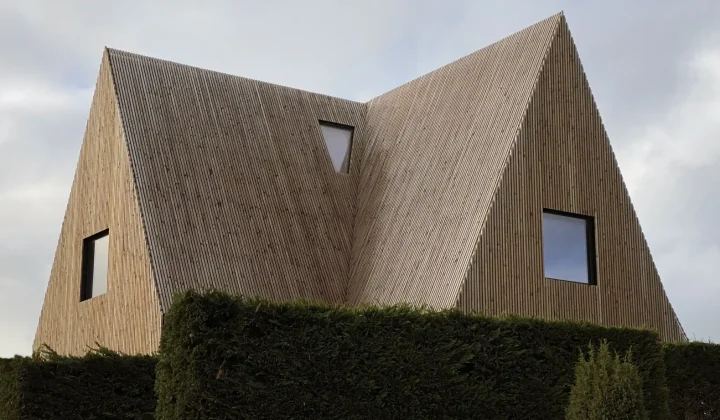
Vantieghem Talebi’s ‘House of Cards’ Brings Timber Geometry to Belgian Family Home
A new family house in Belgium by US- and Swiss-based practice Vantieghem Talebi uses a steeply pitched, card-house-inspired form clad in Douglas-fir…
Read moreRelated wiki

Adaptive Reuse in Architecture
Reference page for reuse, retrofit, conversion, embodied carbon and design constraints.
Read more