
Architectural Fencing Trends Redefine Home Boundaries
Fencing is evolving from a purely utilitarian element to a significant architectural statement, with contemporary trends emphasizing privacy, form, and integrated design.
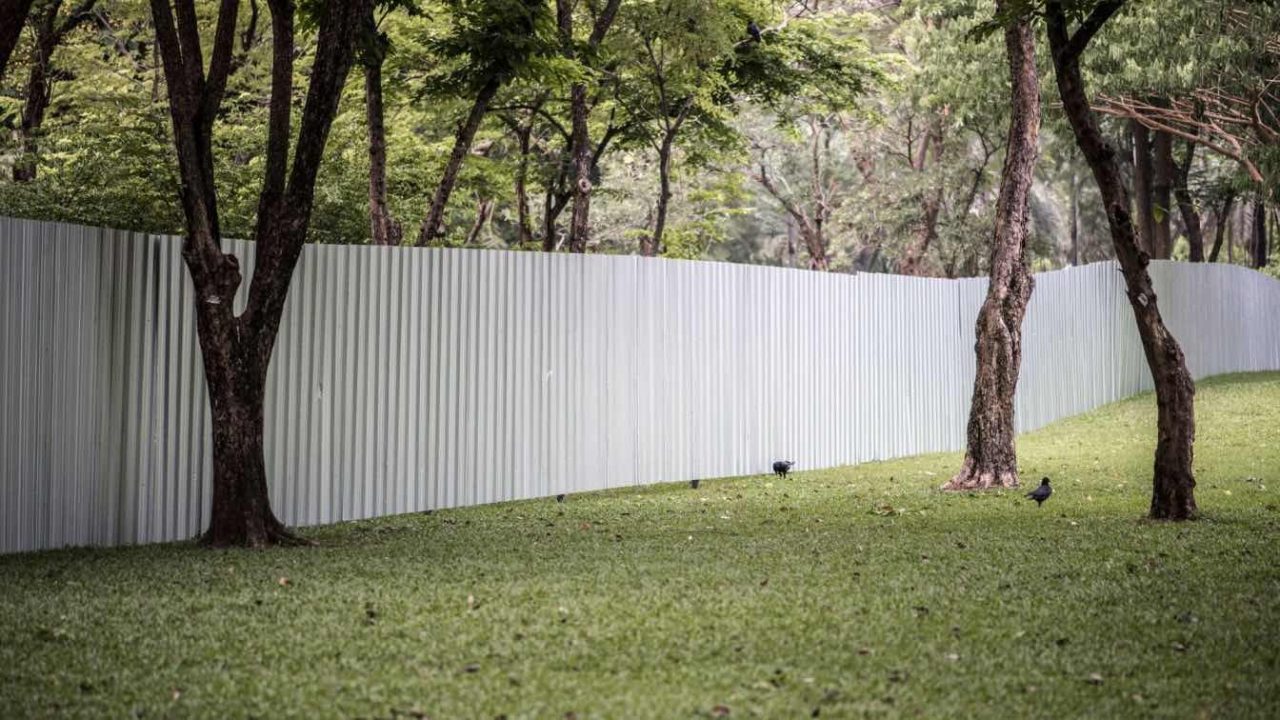
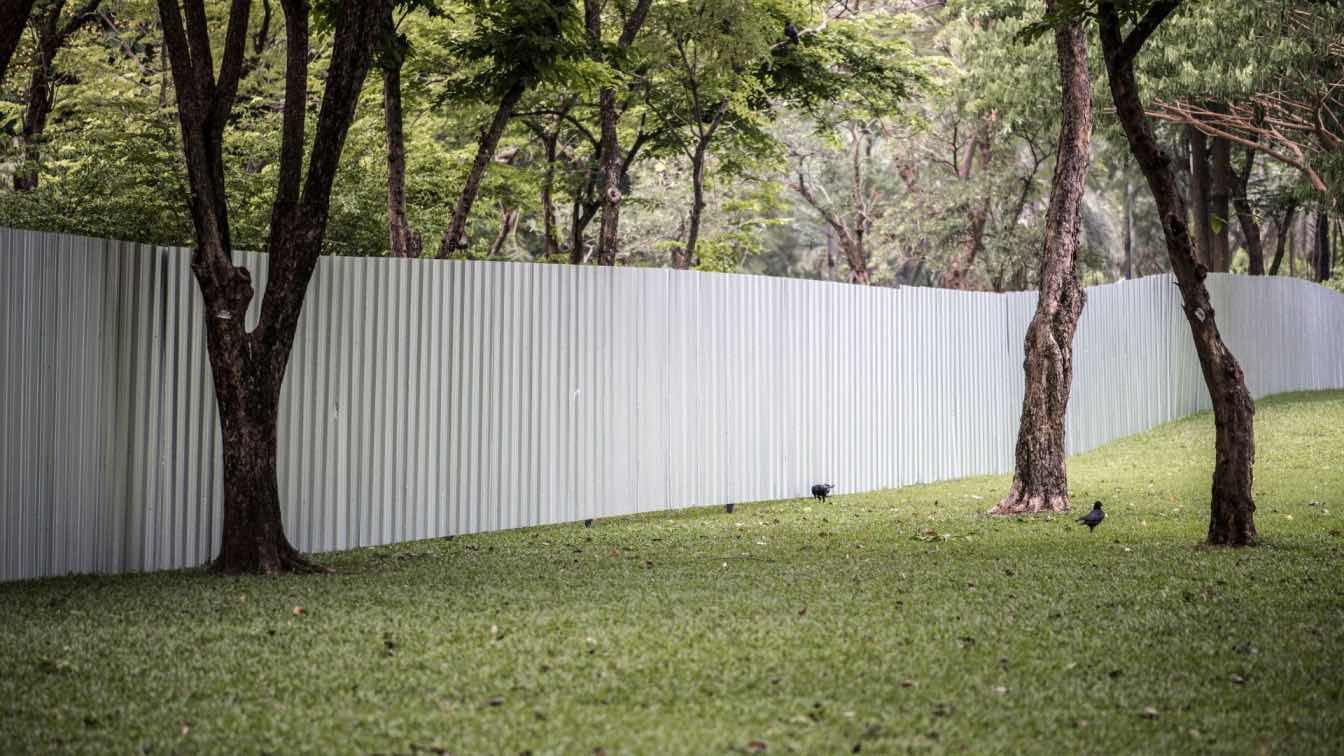
The role of fencing in residential architecture is undergoing a significant transformation, moving beyond its traditional utilitarian purpose to become an expressive design element. Contemporary fences are increasingly treated as architectural statements that integrate privacy, form, and function, reflecting a broader shift in how we perceive the boundaries between private and public spaces.
Modern Boundaries Evolve
Historically, fences served a primarily functional role, marking property lines and providing basic security. Today, designers and homeowners are leveraging fences as a canvas to enhance the overall architectural language of a property. This evolution means fences now mediate, offering selective screening and opening up views where appropriate, while contributing to the aesthetic coherence of the entire home.
Horizontal Lines Dominate
One of the most recognizable trends is the widespread adoption of horizontal lines in fencing design. Horizontal battens, slats, and panels have become synonymous with modern residential boundaries, replacing the vertical pickets of previous eras. This design choice visually broadens spaces, grounds buildings, and conveys a sense of calm and contemporaneity. Horizontal elements can also echo the architectural lines of a house, such as eaves or cladding, creating a cohesive visual connection between the structure and its boundaries. The spacing of these horizontal elements offers a nuanced approach to privacy and aesthetics, with tight spacing providing solid screening and wider gaps allowing for rhythm, light, and filtered views.
Material Combinations Add Depth
Another prominent trend involves the innovative combination of different materials within a single fence structure. Layering elements, such as a rendered or masonry base topped with timber or steel screens, creates boundaries that are both visually rich and functionally versatile. These mixed-material fences provide a solid, grounding base for privacy and acoustic buffering at ground level, while lighter screens above maintain an open feel and allow light penetration. The contrast between materials, like the warmth of wood against the sleekness of steel or the texture of render, adds significant depth and character. This approach also allows boundaries to respond more effectively to their specific context, offering robust screening along busy areas and more open designs in quieter zones.
Integrated Greenery and Biophilic Design
Planting is no longer an afterthought but an integral component of boundary design. Living fences, incorporating climbing plants on tensioned wires or structures specifically designed to support vegetation, are becoming increasingly common. This trend aligns with biophilic design principles, emphasizing the connection between the built environment and nature to enhance well-being. Green boundaries offer natural cooling, noise reduction, and a dynamic, evolving aesthetic that matures over time. Designing fences with integrated planting from the outset ensures the structure can adequately support and showcase the greenery, creating a truly symbiotic relationship.
Sophisticated Privacy Control
Contemporary fencing approaches privacy with a more nuanced perspective than the traditional binary of visible or hidden. Modern designs focus on “tuning” privacy, employing angled battens that obstruct street views while allowing internal visibility, or calibrating screens to obscure direct sightlines while admitting light. Varying treatments across different sections of a fence can provide complete privacy in more secluded areas, like bedrooms, while offering openness in living spaces. This sophisticated control allows homeowners to feel private without being enclosed, managing views while preserving light, air, and connection to the outdoors. This is particularly valuable in dense urban settings where managing overlooking is a significant design challenge.
Material Longevity and Sustainability
As fencing becomes more integrated into architectural design, there is a greater demand for materials that offer both refined aesthetics and long-term durability. Powder-coated steel and aluminum are favored for their crisp lines, color versatility, and low maintenance, while quality hardwoods provide warmth and age gracefully. The trend favors materials that resist degradation and maintain their appearance over time, aligning aesthetic choices with sustainability goals. A fence designed to last for decades is a more environmentally and economically sound choice than one requiring frequent replacement.
Deliberate Color and Lighting Schemes
Color has emerged as a deliberate design tool in fencing. Dark charcoals and blacks can create a sophisticated backdrop that makes planting stand out, while soft neutrals blend harmoniously with surroundings. Natural timber tones add warmth and texture. The choice of finish, from matte to satin, further refines the aesthetic. Furthermore, contemporary boundaries are increasingly conceived as part of a holistic landscape and lighting scheme. Integrated lighting that highlights fence textures, boundaries aligned with pathways and planting beds, and thoughtfully designed gates contribute to a cohesive outdoor environment that functions beautifully day and night.
Key facts
| Aspect | Trend |
|—|—|
| Design Focus | From utilitarian to architectural statement |
| Horizontal lines | Emphasizing breadth, calm, and contemporary aesthetics |
| Material Use | Combination of materials for enhanced depth and function |
| Privacy | Tuned control rather than binary visibility |
| Sustainability | Focus on durable, low-maintenance materials |
This evolution in fencing design highlights how even the most functional elements of a home can become sophisticated components of its overall architectural narrative, enhancing both privacy and aesthetic appeal.
Source: Amazing Architecture, https://amazingarchitecture.com/articles/architectural-fencing-trends-where-privacy-form-and-function-meet
Datos clave
| Punto | Detalle |
|---|---|
| Fuente | Amazing Architecture |
| Fecha | 2026-06-30T15:33:51+00:00 |
| Tema | Architectural Fencing Trends: Where Privacy, Form and Function Meet |
Source
Amazing Architecture Original publication: 2026-06-30T15:33:51+00:00
Related news
Koto launches Haku, a mobile prefab hotel suite built on a wheeled chassis to bypass UK planning restrictions
UK architecture studio Koto has unveiled Haku, a fully mobile prefabricated suite that legally qualifies as a caravan, allowing landowners and hotel…
Read more
HONG Designworks Completes Private Office in Xi’an That Balances Memory, Materiality, and Long-Term Use
The Xi’an office by HONG Designworks integrates a folded steel staircase, retained furniture from a previous workspace, and a restrained purple-gray palette…
Read more
Handwoven Teak and Cord Outdoor Seating Debuts from Masaya and Abril Zepeda
Nicaraguan furniture brand Masaya has introduced two new handcrafted outdoor chairs — a rocking chair and a lounge chair — designed by…
Read more
Place in Mind: Hendricks Churchill Launches Hospitality Group to Revive Historic Properties
The architecture and interior design studio Hendricks Churchill has launched Place in Mind, a new hospitality group focused on acquiring, restoring, and…
Read moreRelated wiki

Adaptive Reuse in Architecture
Reference page for reuse, retrofit, conversion, embodied carbon and design constraints.
Read more