
Carlo Ratti Unpacks Italian Summer Through the Humble Mosquito Coil
Architect Carlo Ratti initiates a new Wallpaper* series, "Objectify," by examining the mosquito coil as a symbol of Italian design, climate adaptation, and the art of outdoor living.
TITLE: Carlo Ratti Unpacks Italian Summer Through the Humble Mosquito Coil
SLUG: carlo-ratti-explores-italian-summer-mosquito-coil
EXCERPT: Architect Carlo Ratti initiates a new Wallpaper* series, “Objectify,” by examining the mosquito coil as a symbol of Italian design, climate adaptation, and the art of outdoor living.
CATEGORY: Design Culture
TAGS: Carlo Ratti, Italian design, mosquito coil, summer, climate change, architecture, design objects
SEO_TITLE: Carlo Ratti Explores Italian Summer Through the Humble Mosquito Coil
SEO_DESCRIPTION: Architect Carlo Ratti delves into the cultural significance of the mosquito coil in Italy, exploring its design, history, and connection to the nation’s approach to summer living in a new Wallpaper* series.
MEDIA_QUERY: Mosquito coil burning on a patio in Italy during summer
IMAGE_ALT: A lit, spiraled mosquito coil emitting smoke, placed on an outdoor surface.
Carlo Ratti, the renowned architect and director of the MIT Senseable City Lab, has launched a new summer series for Wallpaper* titled “Objectify.” The series aims to explore the essence of the Italian summer through the lens of ordinary, yet significant, everyday objects. The inaugural piece focuses on the seemingly mundane mosquito coil, positioning it as a profound symbol of Italian design, climate adaptation, and the unique way Italians embrace outdoor living.
Summer’s Arrival and the Mosquito Challenge
As summer arrives, so do mosquitoes, an inevitable, if unwelcome, part of outdoor life in Italy. Ratti contrasts the Anglo-Saxon approach, which favors sealing homes with air conditioning, with the Italian method of embracing the outdoors. In Italy, windows are thrown open, and the living space becomes porous, engaging in what Ratti describes as “climatic diplomacy” – a constant negotiation between indoor and outdoor environments rather than a rigid defense.
The Evolution of the Mosquito Coil
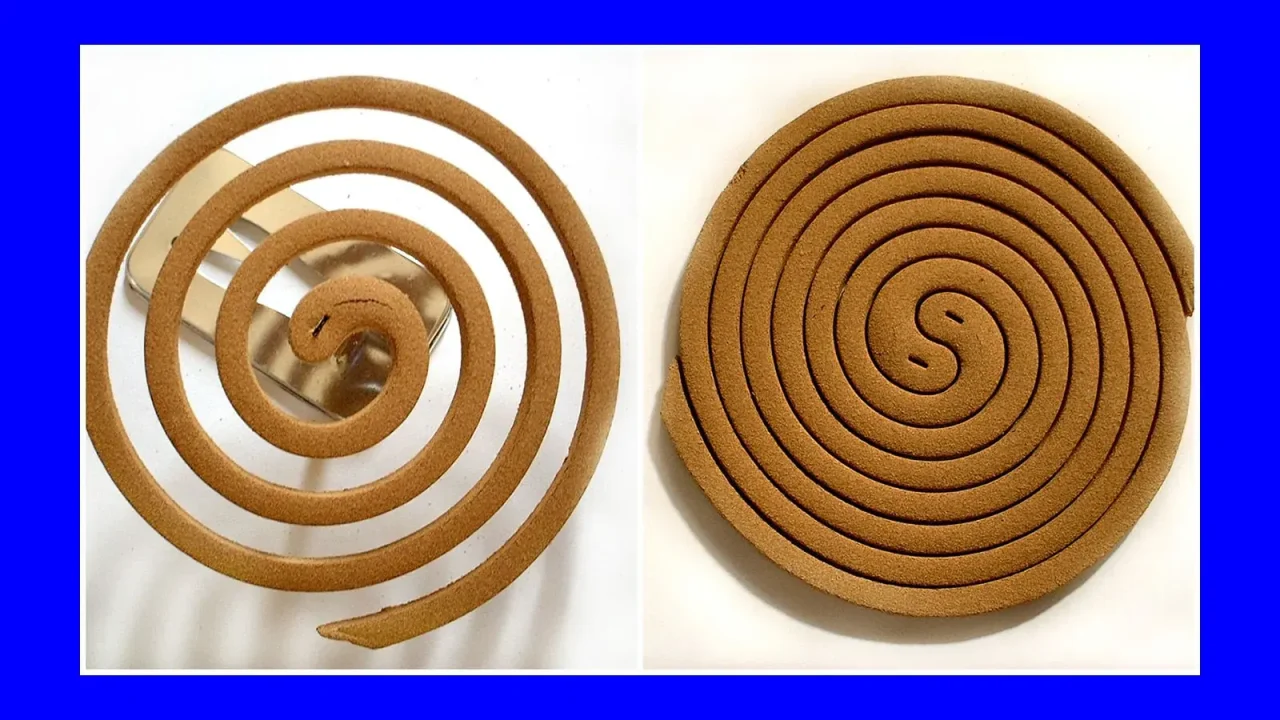
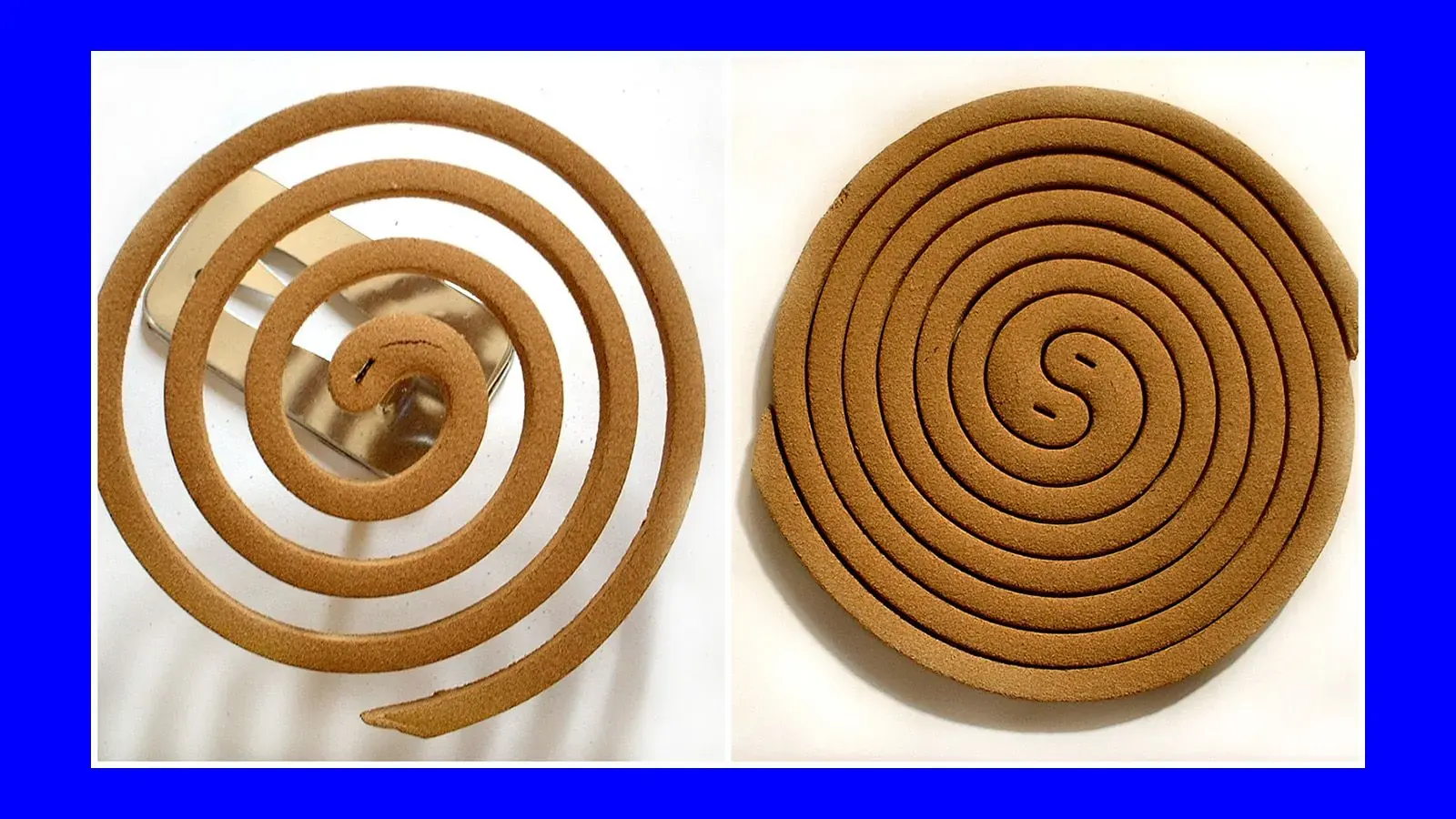
The mosquito coil, or “zampirone” as it’s known in Italy, has a history rooted in the need to manage insect populations. Its origins trace back to Venice in the late 19th century, where pharmacist Giovanni Battista Zampironi experimented with powdered Caucasian chrysanthemum to create repellent cones. These early versions burned for about 40 minutes, requiring frequent relighting.
A significant design innovation, imported from Japan, transformed the mosquito coil. The wife of an incense manufacturer, inspired by the coiled form of a snake, developed the flat spiral shape. This geometric breakthrough allowed the coil to burn for up to seven hours, a design principle that has become a global standard. While her name is largely forgotten, her insight revolutionized the product.
Italian Design and the Zampirone
In Italy, the mosquito coil became popularly known as the “zampirone,” after its inventor. Ratti describes its design as “radical and minimalist.” Once lit, it functions not only as an environmental filter against mosquitoes but also as a temporal marker, with the burning spiral dictating the passage of the evening. The smoke it emits visually redraws the boundary between humans and nature, between the comfort of the living room and the potential bites of the night.
Ratti posits the zampirone as a distinctly Italian technology – a technology of compromise. It doesn’t create an impermeable barrier but rather establishes a temporary condition of habitability. This approach stands in contrast to the Modern Movement’s ideal of the sealed, sterile home, born from a post-pandemic desire for order and elimination of external agents. Instead, the zampirone aligns with an older tradition of coexistence with nature, embracing its less comfortable aspects. Its enduring appeal, Ratti suggests, lies in this inherent adaptability and relatability.
Beyond the Iconic
The “Objectify” series aims to highlight lesser-known Italian design objects that often go unnoticed by both locals and visitors. While iconic items like the Bialetti moka pot or the Vespa are widely recognized, Ratti intends to draw attention to the everyday artifacts that shape Italian life and culture. These are the objects, he argues, that truly offer an intimate understanding of the nation’s design sensibilities and daily routines.
For readers in Italy, these objects may evoke Proustian memories, unlocking personal connections to the past. For an international audience, they offer insights into unexpected aspects of Italian culture, providing conversation starters and a more nuanced perspective for those who visit or engage with Italian life through media. As designer Achille Castiglioni famously said, “Objects should keep us company,” and the mosquito coil, in its simple practicality, certainly does.
Key facts
| Aspect | Details |
|---|---|
| Series | Objectify |
| Host | Wallpaper |
| Focus of article | Mosquito coil (zampirone) |
| Curator/Author | Carlo Ratti |
| Origin of coil | Venice, late 19th century (Giovanni Battista Zampironi) |
| Spiral design | Japan (Yuki, wife of an incense manufacturer) |
| Purpose | Mosquito repellent, symbol of Italian summer living and design compromise |
Ratti’s exploration of the mosquito coil serves as an invitation to look closer at the objects that permeate our lives, revealing the design thinking and cultural narratives embedded within them. It encourages an appreciation for the “technology of compromise” that defines much of Italian ingenuity, particularly in adapting to environmental conditions and embracing a lifestyle that balances comfort with an engagement with the natural world.
Source: Wallpaper, https://www.wallpaper.com/architecture/carlo-ratti-objectify-mosquito-coil
Source
Wallpaper Original publication: 2026-06-21T06:15:00+00:00
Related news

When Film Directors Become Interior Designers: Guadagnino, Lynch, Anderson and Almodóvar Step Off Screen
From Luca Guadagnino’s Zara Home collection to David Lynch’s Paris club and Wes Anderson’s train carriage, a wave of collaborations is blurring…
Read more
Jesus Mari Lazkano Examines Changing Landscapes Through Painting and Animated Film at Basque Luxury Studio
The Basque artist’s exhibition ‘Azken Natura’ brings together six large-scale paintings and a 22-minute animated film that traces the melting of the…
Read more
Glenn Spiro opens intimate jewellery atelier in Mayfair with designer Valerie Name Bolaño
The London jewellery house’s new boutique at 26 Bruton Street blends antiques, bespoke furniture and a monochrome palette to create a residential…
Read more
RIBA International Prize 2026 Shortlist Announced: Four Projects Vie for World’s Best Building
The Royal Institute of British Architects has revealed four projects competing for the 2026 International Prize, marking the award’s tenth anniversary with…
Read moreRelated wiki

Adaptive Reuse in Architecture
Reference page for reuse, retrofit, conversion, embodied carbon and design constraints.
Read more